


Deep Dive: Marine Corps
An army of scientists, food technologists and founders is leading the charge to bring macro- and microalgae-based food solutions to the masses. Louise Davis meets the innovators on the front line of a new food frontier
Of all the different sectors we at PPTI cover, seaweed (macroalgae) and microalgae are where we often find the most fascinating work to report on. Part of the reason for this is that, unlike plant-based cheese or cultivated chicken, the world of algae is absolutely enormous, so we’re not ever discussing just one ingredient, application area or type of product.
The algae-for-food environment spans everything from the use of spirulina as a food coloring to seaweed-based fiber, algae-based protein and much more. Last year, we even published a story about the Danish Technological Institute’s plans to test protein-rich microalgae cultivation in space.
Even among the two primary types of algae (macro and micro), there are huge differences between varieties and their uses within the food chain. And one expert in seaweed, Ingrid Undeland from Chalmers University of Technology in Sweden, says we should stop referring to algae as one big group. “If you are talking about specific types or categories of foods, you wouldn’t say ‘animals’ or ‘meat’; you’d say ‘chicken’ or ‘beef’. And the same is true for algae. Different species have totally different flavors, textures and smells. Their cell walls are vastly different, they have different pigments and different amounts of Omega-3. Each type is its own little ‘factory’, and they all need different treatments to become optimal as a food resource, from both a flavor and a nutritional perspective,” explains Undeland.
It’s no surprise, then, that the work being conducted by various food specialists spans so many different areas of innovation. In this article alone, we showcase the likes of a salmon alternative grown in solar farms, microalgae protein for beverages, and an algae ‘life support system’ for cultivated meat.
We also talk to those investigating how to get consumers on board with eating algae, and explore the cultural differences at play. Sustainability and health messaging are, naturally, significant when bringing algae-based products into the mainstream. But as consumer research expert Bianca Wassmann (whose work is profiled in the following pages) explains succinctly, those looking to launch products must take care of their most important business first. “If the product does not deliver sensorially,
no amount of messaging will make up for that.”
SOLAR POWER
For Baruch Dach, CTO & Founder of Israeli food-tech company AlgaeCore, resilience is at the heart of everything he strives for. When it comes to achieving truly resilient food networks, Dach believes a holistic approach is critical. “Rather than viewing alternative protein as a single technology, we see it as a systems challenge,” he explains. “Our model connects local clean energy, atmospheric nitrogen fixation and desert-based solar cultivation into a vertically integrated protein platform.”
In practical terms, Dach reveals that this means enabling local conversion of sunlight, CO2 and nitrogen into functional protein ingredients – decoupling protein production from oceans, feed crops and fragile global supply chains. “We believe this cross-value-chain integration is what makes protein truly resilient, not just alternative,” he comments.
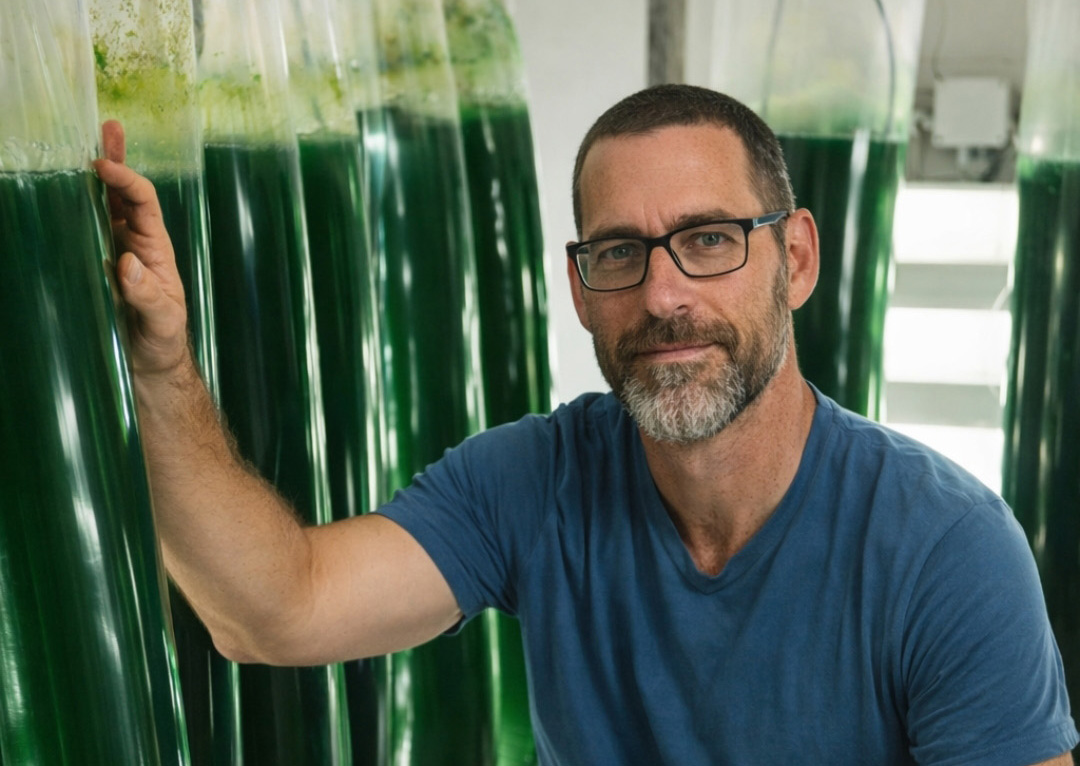
Dach is also keen to emphasize that the goal of his work is not to destroy existing industry. “Rather, it is about plugging a solar-protein platform into existing seafood and food processing infrastructure – creating a cleaner upstream without disrupting downstream manufacturing capabilities.”
From spirulina to salmon
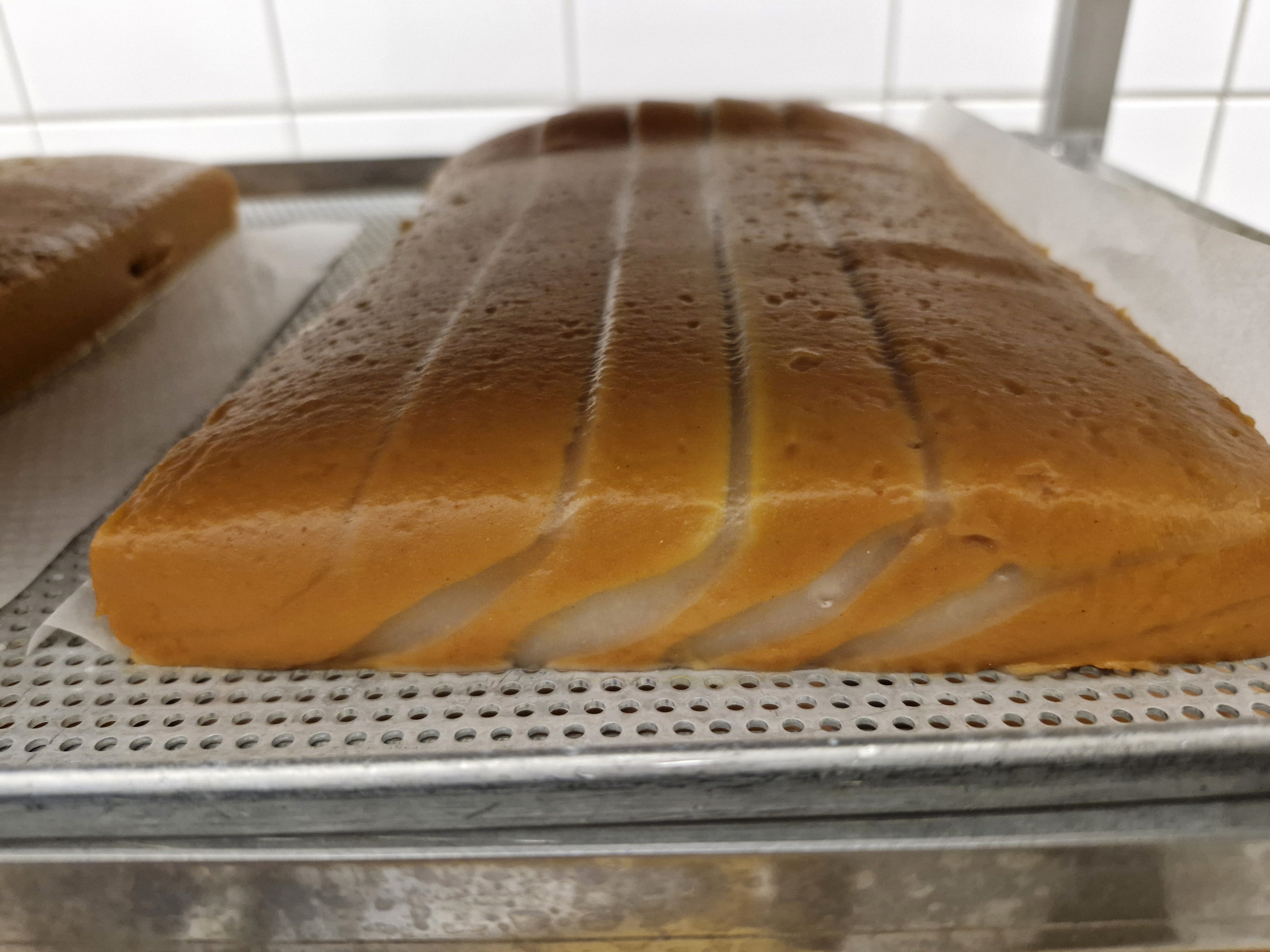
AlgaeCore’s flagship product is a smoked salmon alternative, which is already in commercial production. It is produced from a base of textured spirulina called ‘Simplii Texture’, grown in the company’s desert-based solar farms – a stark contrast to where most microalgae comes from. So, how does this approach compare to conventional seafood and plant protein systems?
“Our platform is built around direct solar conversion into edible protein, using desert-based cultivation systems that require no arable land and minimal freshwater relative to conventional agriculture,” Dach says.
“Compared to ocean-caught salmon, our model avoids marine ecosystem depletion, bycatch and feed-chain inefficiencies, and heavy metal and microplastic accumulation,” he adds. “Compared to farmed salmon, we eliminate fishmeal and fish oil inputs, open-net disease pressures, and antibiotics and parasite treatments.”
Interestingly, Dach also says that because spirulina converts sunlight and nutrients into biomass far more efficiently than field crops, his approach generates a significantly higher protein yield per hectare.
Ultimately, he explains, the key difference is structural. “We are not converting crops into feed, into fish, into fillet. We are converting sunlight and nitrogen directly into functional protein – shortening the chain and improving nutrient efficiency.”
We increasingly regard this as a new category: desert-grown solar protein seafood
Another difference is how the product will be marketed to consumers. “We increasingly regard this as a new category: desert-grown solar protein seafood. It offers a cleaner taste profile and a more refined texture. Some consumers report preferring it to smoked salmon – not just for ethical reasons, but for sensory ones.” Dach also notes, “It performs well in classic formats (it makes an excellent bagel), but also opens space for culinary creativity without the baggage of ocean-derived risk.”
As well as taste and texture merits, AlgaeCore has adopted a transparent, measureable approach to safety, believing it to be key in marketing this new category.
With the tech proven, consumer feedback positive, and his team building partnerships with food manufacturers to integrate AlgaeCore’s protein into products, what’s next for Dach? “Broader commercial launches and deeper integration into seafood processing infrastructure,” he states. “Our long-term vision is simple but ambitious: to make solar-grown protein a mainstream, resilient component of the global seafood category.”

Molecular magic
In 2025, researchers at Chalmers University of Technology in Sweden completed a five-year project investigating whether seaweed could become a viable large-scale protein source. The CirkAlg project focused on developing circular cultivation and extraction methods designed to improve yields, safety and digestibility, and it was a great success.
The project was coordinated by Professor Ingrid Undeland at Chalmers University of Technology, who is also research coordinator of Sweden’s Blue Food Center. Undeland has since turned her attention to how the project’s findings can both inform new research and assist in commercializing seaweed-based food products and ingredients. One key focus area is tailoring the flavor profiles of seaweed-based ingredients, which, beyond the attractive umami taste, can easily turn into something best described as ‘challenging’.

“A myriad of volatile molecules affect the flavor of seaweed – and we are now learning more about three of the major groups, also in relation to microalgae,” begins the scientist. “One group is alcohols, aldehydes and ketones – derived from (early or advanced) lipid oxidation. A little bit of those molecules can usually be sensed as very positive.” Undeland uses the example of the marine notes found in fresh fish as a comparison, where at first we find such notes appealing but greater oxidation eventually turns them into something a lot less palatable.
The second group of molecules is amines. “These are also found in fish: if you open a package of frozen white fish that has been stored a bit too long, you will sense a strong fishiness, and that’s amines,” explains Undeland.
The third group of molecules is the various volatile sulfur compounds that are present to varying degrees, particularly in green seaweeds.
So, when do these molecules shift seaweed products from being pleasant into ‘challenging’ territory? “Put simply, when there are too high levels, the flavor profile becomes too much,” Undeland states. “But cultural preferences play almost as much of a role as molecules,” she points out. “Here in Europe, we are not so amenable to strong, fishy notes. But if you go to Asia, for instance, there is a totally different preference – you’ll find small, dried fish sold as a snack that many Europeans would certainly describe as having a challenging taste.”
Sense and sensibilities
Ultimately, Undeland observes that whether a flavor profile is good or bad depends significantly on which consumer you are targeting and how many of those marine notes are desirable for your end product. Nobody wants a smoothie that tastes fishy, but in vegan seafood, marine notes are a great asset. “We’re now part of a new EU project called AlgFlavour, which aims to tackle the challenge of making both macro- and microalgae more acceptable for the European market,” she reveals.
Other work that Chalmers is involved in relates to how various production methods affect the end flavor profile of algae ingredients, and what can be done to adjust these as necessary. “We’re looking into how cultivation conditions, downstream processing and storage affect how we can tailor the desired flavor profile for different products,” Undeland explains. “One example is traditional preservation methods such as drying, freezing and fermentation. These processes sound pretty fundamental, but they can be carried out in numerous different ways, and combined with the large diversity of algae, as well as their high sensitivity, we are still lacking a lot of knowledge around how these processing steps will affect the flavor profile.”
Cultural preferences play almost as much of a role as molecules
Given that many algae ingredients are being sold in products targeted for their health benefits, Undeland cautions food players not to rush to market until they have done sufficient research into nutrient digestibility and accessibility. “One big factor here is the cell walls, which are enriched in various structural polysaccharides or silica,” she notes. “Until you manage to break up those cell walls, it can be hard for our enzymes to reach proteins and lipids and digest them in our gastric and intestinal compartments.
“Another problem is ‘antinutrients’, such as certain polyphenols,” Undeland adds. “They can react both with proteins and with essential elements such as iron, rendering these nutrients less digestible and accessible for uptake, respectively.”
Undeland and her research group are participating in projects looking into such issues, and the differences between seaweed and microaglae varieties are where she is focusing next. “We are researching Palmaria, a seaweed with an attractive red color and interesting flavor. It’s almost leathery and tough to break, so our hypothesis is that nutrients in Palmaria are less accessible than, for example, sea lettuce, which is more fragile (like salad). One study is comparing different species, and we’re also looking more into the morphology of the algae.”
Attitudes to algae
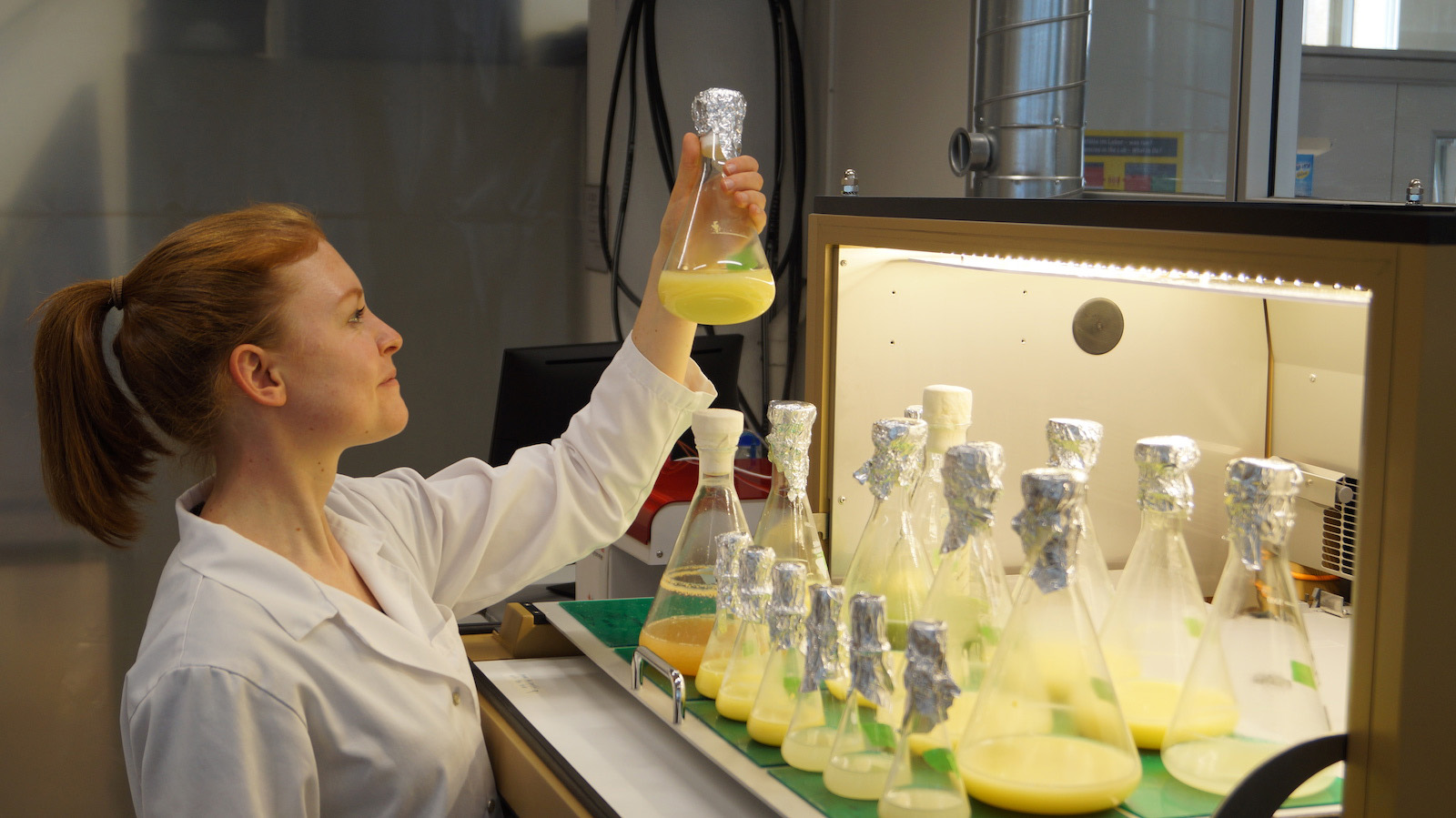
When Dr Bianca Wassmann, a postdoctoral researcher at ETH Zürich in Switzerland, first began looking into consumer attitudes towards microalgae adoption, a study she led confirmed something she already suspected to be true: that the fear of new foods strongly affects their adoption. What was particularly interesting was that the study was conducted in Singapore – a country often seen as forward-looking, and where algae-based products are already well established.
“Food neophobia (the fear of new foods) is a major barrier to any novel food technology, including microalgae, and this also applies to Singapore,” Wassmann says. “I was not surprised by this. A certain level of food neophobia is human and evolutionary: avoiding unfamiliar foods once protected us from potential harm.”

The researcher says that even today, when humans rationally know that new products are safe, this hesitation remains. “So, even in innovation-friendly societies, food acceptance is not purely rational,” she continues. “It is shaped by deeply rooted intuitions about what feels natural and safe. Technological progress alone is not enough – products must also overcome psychological barriers.”
When it comes to consumer skepticism towards microalgae products and how this differs geographically, Wassmann says that two aspects are important. “First, many European countries have historically been more skeptical toward food technologies such as genetic modification, which contributes to a generally cautious attitude toward novel innovations. Second, cultural familiarity matters. In many Asian countries, plant-based proteins such as tofu or algae have long been part of traditional diets. This familiarity makes microalgae-based products feel like an extension of existing foods.” In contrast, she explains, in much of Europe these ingredients are less embedded in everyday cuisine, “so they may be perceived as more novel and hence more questionable.”
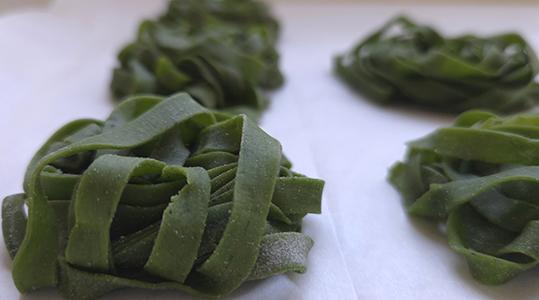
The obvious next question is how can consumers be encouraged to try microalgae-based foods? “Make the first experience feel safe, easy and – most importantly – tasty,” answers Wassmann decisively. “Taste must always come first; if a product does not deliver sensorially, no amount of messaging will make up for that. Sustainability messaging can spark interest, but it rarely compensates for a badly tasting product. Microalgae should be integrated into familiar formats – such as pasta, bread, snacks, or drinks – so the product feels recognizable and low-risk. Stating clear, concrete benefits (e.g. high protein) further encourages consumers.”
Wassmann also cites the significance of real-life sampling, whether through tastings, foodservice or partnerships: “Actually trying the product reduces uncertainty
far more than giving information alone,” she observes.
Risk-reduction strategy
Wassmann’s work explores how familiarity and exposure are measurably shifting attitudes. “Familiarity and exposure generally reduce hesitation by lowering two things: uncertainty (‘what is this?’) and risk (‘will it taste weird or be unsafe?’). Repeated exposure also makes microalgae feel more ‘normal’, which reduces the instinctive novelty reaction,” she says.
And she believes that trying microalgae in one format carries over to trying it in other formats without so much hesitation. “The pathway here would look something like: low-risk format (supplement/drink) to neutral or positive experience to reduced disgust to greater openness to foods (snacks, baked goods, meat alternatives),” she says. “The effect will be strongest when the first experience is pleasant, and the product feels easy and familiar.”
Taste must always come first; if a product does not deliver sensorially, no amount of messaging will make up for that
So, what sort of foods will be good vehicles to familiarize consumers with microalgae to begin with? “In the near future, microalgae will likely scale faster as a ‘hidden’ functional ingredient blended into everyday foods because it minimizes sensory concerns and reduces the psychological barrier of ‘eating algae’,” predicts Wassmann. “That said, a ‘hero ingredient’ strategy can also work for a smaller segment (health- and sustainability-motivated consumers). But that is only if brands combine great tasting products with high transparency."
Based on her findings of what drives consumers, Wassmann has some advice on how algae-based brands can deliver their messaging. “They should prioritize their messaging in the same sequence people decide to buy a product. The order is: front-of-pack/first impression (simple, non-technical claims such as ‘tastes great’ and ‘easy to use’); the second layer, which offers a concrete personal benefit (such as high protein, omega-3, iron and fiber); and then the third layer, which is sustainability proof (and this must be clear and credible).”
And, she adds, “What can always be done is to add reassuring cues – such as labels about quality control, safety testing, and trusted certifications – to help capture initial curiosity and turn it into repeat consumption.”

AUSSIE ALGAE ASSISTANCE
In 2025, Dr Melanie Oey and her team of researchers at the University of Queensland’s Institute for Molecular Bioscience (IMB) announced that they had developed an innovative technique using a new strain of Queensland algae called Chlorella BDH-1. When co-cultivated with mammalian cells, the algae acts as a built-in life-support system, helping tissue cells grow more efficiently.
Fast-forward to today, and Oey reports that “researchers directly immersed in the cellular agriculture field have described our work as groundbreaking” for its potential role in scaling up cultivated meat.

So, how exactly can an algae-assisted co-culture approach change the economic equation when it comes to mass producing cultivated meat? “All ideas start small, and our algal research is still in its early stages,” begins a modest Oey. “That said, algae have the potential to support cultivated meat economically in several ways. However, lowering media costs is an obvious first step.
“Based on our lab results, we know that the muscle cells in culture seem to struggle because they don’t get enough oxygen (anaerobiosis) due to their high metabolism and the fact that they lack a blood oxygen supply. As a result, the cells utilize the provided nutrients less efficiently and build up more waste products that poison the media,” Oey explains. “Simply speaking, valuable media ingredients are discarded at every media exchange instead of being used. In our studies, we see that during co-cultivation the algae appear to provide oxygen, much like blood, allowing the cells to utilize the provided nutrients more efficiently, as well as produce less waste per cell. This effectively results in more cell mass from the same amount of media – so you simply get more bang for your buck.”
But for Oey, the priority is not just to reduce costs. “In the interest of sustainability, we are also focused on establishing a circular bioeconomic process in which waste is turned into valuable products,” she states. “Therefore, a second important aspect of co-cultivation is that algae not only produce oxygen but also accumulate biomass as they grow. Depending on scale and amount of biomass produced, this biomass could be turned into other algae-derived co-products, such as omega-3 fatty acids, pigments or proteins, that could create a parallel income stream for the industry to subsidize cultivated meat production.”
Cultural shift
She says that another possibility is the use of this co-culture-derived algal biomass to be turned into culture media components: “This recycling would further reduce media costs. We have recently shown that lysate obtained from algae grown in cultivated meat waste can substitute for costly media components such as serum, amino acids and vitamins. This lysate, in conjunction with algal co-cultivation, showed a synergistic effect resulting in increased amounts of muscle cells.”
Oey tempers these promising results with the fact that, to her knowledge, no systems currently exist that would allow co-cultivation at scale. “At the IMB and with our partner Scientific Instruments Australia, we have extensive know-how in cost-effective scale-up of bioreactors for algae, which is complemented by our partnered cultivated meat company Magic Valley. We are working with both Melbourne-based industry partners to establish a tailored, scaled system that would allow co-cultivation. An obvious challenge will be the handling of two biological systems. Although corals have perfected this symbiotic relationship over millions of years, we are just at the start of this challenging but exciting journey.”
This multi-faceted work has the potential to build a network with algae at the nexus
Other challenges include regulatory approvals; despite some microalgae species already being classified as GRAS and being commercially available as food or supplements, specific regulatory approval would still be required for their use in cultivated meat systems.
Regardless of the challenges ahead, Oey always keeps the bigger picture in mind. “My main work on microalgae is dual-focused on the production of recombinant proteins (which is currently focused on therapeutics but could be extended, for instance, to growth factors), as well as the use of microalgae for the production of oxygen and media components,” says Oey. “Both aspects complement each other and can be used in a range of applications that include tissue culture. This multi-faceted work has the potential to build a network with algae at the nexus, spanning from 2D to 3D tissue culture for research or applied technologies (from cultivated meat to medical applications).
“Although each of these applications faces its own technical and regulatory hurdles, the underlying concept is consistent: algae can provide biological solutions to biological challenges. Rather than treating oxygen supply, growth factors or media components as separate industrial inputs, we are exploring how they can be integrated into a more circular and resource-efficient system,” Oey explains.
She adds, “The broader vision is not about a single product, but about establishing algae as an enabling technology across multiple sectors. By working at this interface – between renewable biology, cell culture and applied biotechnology – we see real potential to contribute to more sustainable and resilient production systems over time.”
MARINE LIFE
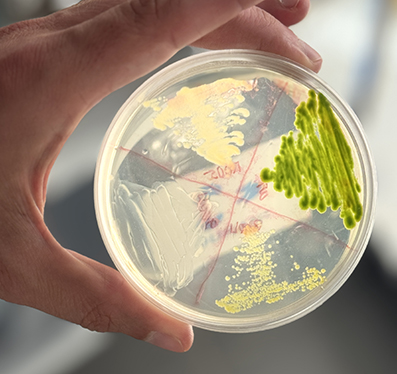
Being CEO of a company producing a protein-rich ingredient from chlorella microalgae is not easy, for a number of reasons. But Federico Duarte at Nutrition from Water (NXW) is more than up for the challenge that running such a business presents. “One of my favorite industry quotes is ‘algae has been tomorrow’s food for the past 20 years’,” he says. “Macro and microalgae have been around for decades, yet they have not made a meaningful dent in the mainstream supply chain. There are several reasons for that, but taste and color are high on the list. If it looks green and tastes like fishbowl water, it will remain niche.”
Tasked with bringing sensorially superior microalgae ingredients into the mainstream, beginning with NXW’s Marine Whey product, Duarte has a dual focus: selling a great product, but also positioning it properly. Detailing this stance, he begins, “Through strain development and downstream optimization, the sensory improvement we have achieved is significant. We are not perfect yet, but we are now sensorially better than pea and fava proteins. And we continue to push toward the gold standard, which is dairy-like neutrality in both color and taste.
“As for positioning, this is where discipline matters. Our sector has often suffered from founder hubris. The idea that your novel ingredient will become the hero on the front of the pack is seductive but often unrealistic. The real impact tends to happen quietly. In most cases, we see Marine Whey as a back-of-label enabler. It improves nutrition density, functionality and economics without demanding that consumers change habits. That is where the largest volumes will come from,” he continues.

Duarte is frank and open about the road ahead. “The single most important factor for any of this to matter at scale is getting the economics right,” he states. “First, we must commercialize a dairy-like nutrition solution that is meaningfully cheaper than the incumbent while protecting healthy gross margins. In 2025, some whey protein concentrate traded at an average of around US$14 per kg, but in Q1 this year we have heard customers in Japan and China are securing volumes at up to US$25 per kg. That volatility is structural.
“We have set ourselves the internal goal of profitably supplying Marine Whey below US$8 per kilogram by the end of 2026. If we achieve that, we are not just competitive; we will have achieved a structural advantage,” he confirms.
Next, Duarte says that NXW needs supply at a scale that carries weight in the supply chain: “A novel ingredient is not credible if it is available iin boutique volumes. Our aim by 2028 is to exceed 7,000 metric tons of annual production to become a serious option for multinational food companies.”
Protein playbook
Duarte reveals that in NXW’s playbook, price and scale are driven by three fundamentals. “First, the biology has to behave. Fermentation must remain predictable, high-yield and replicable across manufacturing sites. If the microbe does not scale reliably, nothing else matters. Second, manufacturing strategy is critical. We lean into existing brownfield fermentation capacity rather than building everything from scratch. That requires partners with deep bioprocess optimization chops and a commitment to disciplined unit economics,” he explains.
And third? “We need the right commercial architecture. We partner with large food companies that already know how to distribute at scale. If we integrate into existing distribution systems, adoption accelerates,” Duarte says.
A prime example of NXW’s approach is its pairing of Marine Whey with aseptic systems from SIG Group, effectively building a distribution model for regions without reliable cold chains. “In these regions, aseptic systems are transformative,” Duarte comments. “For alternative proteins in emerging markets, delivery mechanisms such as aseptic filling are critical because they help overcome structural barriers such as logistics and spoilage.”
The single most important factor for any of this to matter at scale is getting the economics right
However, he adds that although packaging technology solves the physical barrier, a cultural barrier remains. “Our sector has unintentionally created a mental association between alternative proteins and affluent consumers in the global north. If alternative proteins are perceived as premium lifestyle products, they will struggle to penetrate markets where affordability is the primary driver. We need to challenge that narrative. Biotechnology can and should enable affordable, complete nutrition at scale. If premium applications monopolize the story, we limit the impact.”
For now, Duarte is focused on adding new chapters to NXW’s story. “We’ve recently launched Marine Fibers, two new beta-glucan-rich products. We keep hearing that ‘fiber is the new protein’, and since microalgae are naturally rich in functional fibers, it felt like a missed opportunity not to build a platform around that capability.
“Secondly, we are preparing to announce a new strategic manufacturing partnership. If all goes as planned, it positions us to achieve our supply and cost objectives as early as the second half of 2026,” reveals the ambitious CEO.
ALGAEIC ALCHEMY
Israeli food-tech company Brevel is applying fermentation to help bring microalgae ingredients into the mainstream. “Our core breakthrough is illuminated fermentation: we run a stirred-tank fermentation (sugar-fed, industrially scalable) while delivering high-intensity, programmable light inside the reactor,” explains Yfah Burstin, Chief Business Officer. “That solves a key bottleneck in microalgae and other light-responsive organisms: in standard photobioreactors, light becomes limiting as you scale because it cannot penetrate dense cultures; and in ‘dark’ fermentation you lose the light-triggered metabolic pathways entirely. Our system keeps the scalability and economics of fermentation, while using light as a precision biological switch – controlling spectrum, intensity and timing to drive target pathways at high cell density.”
On a practical note, Burstin says that this hybrid approach improves cost efficiency by enabling year-round, indoor production with high reproducibility and no seasonal variability. “And it supports consistent ingredient specs batch-to-batch, which is critical for food brands scaling into mass markets,” she observes.

Microalgae ingredients often suffer from color and flavor limitations, but Brevel has already gone a long way toward solving such issues. “One of the key challenges with microalgae ingredients is their strong green color and marine flavor profile, which can limit their use in mainstream food and beverage applications. To make the most of our production line and respond to market needs, we intentionally separated our ingredient strategy into two tracks: a nutrient-dense whole-algae chlorella biomass product, marketed under the name Brevel Purallis; and a light-colored, neutral-tasting protein ingredient that behaves much more like a conventional food protein than a typical algae-derived ingredient,” Burstin explains.
Detailing the work that led to this dual focus, Burstin says, “We addressed the challenge by combining our illuminated fermentation process with targeted downstream processing to produce our protein extract. This allows us to offer a protein ingredient in the 60-70% range that can be incorporated into formulations without the strong taste or color challenges usually associated with microalgae. As a result, it becomes much easier for manufacturers to use it in applications such as ready-to-drink beverages, plant-based milks, yogurts and other dairy alternatives where taste and appearance are critical.”
Burstin notes that, beyond its protein content, the ingredient functions as a highly versatile food protein, with excellent foaming, gelation and emulsification properties. “This enables it to deliver structure and stability in a wide range of formulations – from beverages and dairy alternatives to egg-free bakery products and plant-based meats,” she says.
It also offers important formulation advantages compared with many conventional plant proteins such as soy or pea, says Burstin. “The protein is neutral in taste and aroma, which significantly reduces the need for flavor masking in beverages and dairy alternatives. In addition, it is non-allergenic, which can simplify product labeling and broaden its suitability for consumer products.
“Taken together, these properties allow formulators to achieve both nutritional value and functional performance with a single ingredient, helping improve stability, texture and sensory quality in applications where traditional plant proteins can sometimes create off-flavors, sedimentation or formulation complexity,” she details.
Supply and demand
When asked how microalgae ingredients fit within evolving consumer demand, Burstin emphasizes that there has never been a better time for such ingredients to go mainstream. “Consumers today expect more from every sip: higher protein, cleaner labels, and additional nutritional benefits such as gut health and metabolic wellness,” she states. “At the same time, we’re seeing a growing consumer shift toward ‘greens’ and nutrient-dense ingredients as part of the broader healthy eating movement. Microalgae fit naturally within this trend, as they combine high-quality protein with micronutrients and bioactive compounds in a single sustainable ingredient.”
Consumers today expect more from every sip: higher protein, cleaner labels, and additional nutritional benefits
Brevel is well placed to capitalize on this momentum. "Our 10-year agreement with the Central Bottling Company (CBC), Israel’s largest beverage manufacturer and the company behind Coca-Cola’s operations in the country, is an important step toward bringing microalgae-based protein into mainstream beverage and dairy-alternative applications,” confirms Burstin. “Collaborations with large industry partners allow us to scale responsibly while ensuring the ingredient meets the performance, quality and cost expectations required for mass-market products.”
If you have any questions or would like to get in touch with us, please email info@futureofproteinproduction.com

More Features

Protein Pioneer: Justin Kolbeck

Deep Dive: Breakout bets

Feeding change

Protein Pioneer: Kesha Stickland


