

Deep Dive: Breakout bets
Every deck has its cards that change the game. Selected by PPTI’s editorial team, these 11 companies surfaced repeatedly in 2025 through reader engagement, technical originality and early signals of scale. These are our ‘Wildcards’…
Innovation doesn’t follow tidy lists. Our 26 Food Techs to Watch in 2026 feature captures one view of the future – built through a formal, data-driven process that weighs impact, readiness and public momentum. But every year there are companies whose influence sits just outside those lines. Teams that spark disproportionate curiosity. Technologies that generate early signals of breakthrough potential. Stories that rise to the top of our analytics dashboard again and again. Those are this year’s Wildcards…
Selected directly by the editorial team at Protein Production Technology International, the following 11 companies represent the founders and technologies that consistently captured reader interest throughout 2025. They are the subjects of articles that spiked traffic, the breakthroughs that drove repeat engagement, and the companies whose updates reliably pulled readers back for a second look.
Some appeared in our 78-company shortlist and some even narrowly missed the final 26. Others sat entirely outside the voting process but still emerged as clear outliers in terms of traction, originality or reader attention. The Wildcards list exists to recognize that kind of influence – the kind that isn’t always captured by a scoring framework, but is impossible to ignore.
This year’s cohort spans fats, flavors, structured proteins, cell-cultivated cocoa, sidestream-powered fermentation, sweet proteins, next-gen plant structuring and more: Checkerspot, Planeat, Profilet, Food Brewer, Plantopia, Kynda, Gimme Sabor, Meala, Oobli, Kayama Foods and Enifer. Each captures a different thread in the broader rewiring of food – from lipid architecture and seafood analogs to microbial cocoa, flavor engineering, and ingredients that collapse long-standing formulation trade-offs.
Think of them not as near-misses, but as outliers in the best sense: companies operating at the edges of the map, where categories bend and new markets begin to form. The 26 show where the sector is heading. These Wildcards hint at where it might jump.
By carving out this space, we acknowledge a simple truth about early-stage innovation: some of the most important signals appear before a company fits neatly into a ranking methodology. These are the companies we believe deserve an even closer look in 2026.
Checkerspot
For years, the protein conversation has been dominated by the usual protagonists: fermentation-enabled proteins, novel fibers, functional carbohydrates. But quietly, and with a certain inevitability, fats have entered the fray. Not commodity oils or incremental reformulation, but something far more fundamental: the ability to design lipids for performance, nutrition, and sustainability. This is where Checkerspot has been operating while the rest of the industry looked elsewhere.
John Krzywicki, the company’s CEO, talks about fats the way some people talk about architecture. In his telling, they are structures, frameworks, the hidden language beneath texture, flavor, and function. And the food system, he argues, is constrained by the limited vocabulary of nature-derived oils available at scale. Climate volatility, fragile supply chains, and rising demand only sharpen the urgency. “Brands struggle to source the best tasting, performing or most nutritious fats and oils cost-effectively, sustainably or in some cases at all,” he believes. “We’re solving a more than US$40 billion opportunity.”

Checkerspot’s answer is a biotechnology platform built around microalgae – altered through classical breeding and modern molecular tools – and precision fermentation. The company doesn’t chase abstract concepts. It identifies specific molecules that customers need, then engineers strains that are capable of producing them at commercial scale using fermentation infrastructure that already exists. The result is a new category of functional lipids that simply aren’t accessible through agriculture or extraction.
The molecular leap
The breakthrough is not only in the biology but in its specificity. Krzywicki’s team can replicate, nearly identically, fats found in human breast milk – an advance with profound implications for infant nutrition, where the nutritional gap between formula and mother’s milk has persisted for decades. The Alameda, California-based company is also developing structuring fats that could buffer the food industry against volatile chocolate prices, and a cooking oil with a 535°F smoke point and high monounsaturated fat content.
“There are other pathways to these ingredients,” Krzywicki maintains. “None are as market-ready and demonstrably scalable as ours,” he says. The recent milestone with Huvepharma underscores the point: a commercial agreement to produce a human milk fat analog that mirrors the molecular composition of the real thing. For a category long marked by promises of someday, it is a clear sign that fermentation-based fats and oils are crossing into the now.
Scale, though, is not just technical. It’s strategic. Krzywicki emphasizes a disciplined approach to market selection: niches with strong IP defensibility, viable unit economics, and customers willing to engage early. It is a departure from the ‘build it and they will come’ optimism that characterized parts of the alt protein boom. Checkerspot prefers a quieter, more grounded path. Many of its partnerships operate behind the scenes under joint development agreements, where the science speaks before the brand does.
The prevailing beliefs, Krzywicki feels, often stem from timelines. Technologies that began decades ago in academic labs are assumed to be perpetually pre-commercial. “We’re staring down commercialization for a number of our ingredients in the next several years,” he reveals. “Many of the technical hurdles are behind us.”
Big change happens slowly and then all at once. We’re at the ‘all at once’ phase
If the vision holds, precision-fermented fats could radically reduce land, water, and emissions footprints while enabling regional, resilient supply chains that sidestep the geopolitics governing today’s global oil flows. Nutritionally, the potential widens: lipids tuned for specific life stages, for GLP-1 companion diets, for better metabolic performance.
Looking five years ahead, Krzywicki imagines shelves stocked with ingredients made through licensing agreements, embedded into leading food and nutrition brands. He imagines more collaboration across the sector, drawing inspiration from biotech’s culture of collegial problem-solving. And most of all, he foresees a future where fats finally earn the attention they deserve – not as commodities but as tools for rebuilding the foundations of food.
Planeat
Plant-based meat has spent a decade reinventing proteins, flavors and fibers. What it has not cracked – at least not convincingly – is fat. The kind that browns, melts, carries aroma, and holds a sandwich together when the lunch rush hits. It’s the unglamorous, deeply technical layer that food scientists, operators and consumers all feel, whether they can name it or not. Fat is the difference between a one-off try and a dish that becomes a favorite.
This is the space where Planeat has chosen to work, not by replicating meat as a whole, but by zeroing in on the missing mechanic: the behavior of fat under heat.
Andy Staniek, Co-founder & CEO, speaks the language of kitchens as much as he does of lipid structures, and that dual fluency shapes the company’s worldview. “Most plant proteins struggle to match the fat experience of meat,” he assesses. “Moistness after holding, convincing browning, the rate of flavor release – these things determine whether a customer orders again.”

Smart Fat, Planeat’s core technology, is a structured plant-lipid system engineered around thermal behavior rather than fat percentage. In other words, it behaves on a grill or in a convection oven the way animal fat does. It melts when it should. It binds water. It releases aromas gradually instead of all at once. And, crucially, it drops seamlessly into industrial processes without needing exotic equipment or proprietary workflows. This makes it compatible with soy, pea, fava, hemp and even wheat-free bases, and adaptable across minced, pulled and whole-cut prototypes.
The performance layer
For Planeat, this past year has been all about proving that theory in real conditions. Smart Fat V2 improved melt-onset control and browning performance, giving chefs more consistency in high-volume kitchens. Pilots across Poland and the EU tested gyros, kofta and pulled ‘pork’ formats on grills, in holding cabinets and in delivery workflows. Manufacturing partners validated that Smart Fat could run on forming and IQF lines with minimal changeover – an often-ignored barrier for emerging ingredient systems.
The team also refreshed Planeat’s commercial range: burgers, meatballs and even plant-based tuna were reformulated to take advantage of V2’s extended flavor carry and improved juiciness. “It’s not about adding more fat,” Staniek suggests. “It’s about behavior – melting, lubricity, aroma dynamics, interaction with proteins during cooking and holding.”
Cost remains a practical reality, so the company now offers Smart Fat as a modular inclusion. Partners can choose the level of performance that meets their cost targets, especially important as food-service margins tighten across Europe.
The coming year will push the system further: scaling inputs, optimizing unit economics, and formalizing documentation for broader exports. Strategic co-development is the priority – working with private-label retailers, QSR groups and home-meal-replacement brands that need craveable, consistent products but lack the internal R&D to build them from scratch. Planeat will also pilot a structured whole-cut prototype and expand its seafood alternatives beyond tuna, supported by third-party sensory and shelf-life data set for publication in 2026.
Environmental impact is measured pragmatically: LCAs on suppliers, energy audits across processes, and benchmarking against meat on a per-kilo basis. Operational impact matters, too. Better hot-holding stability means fewer remakes and less food waste. Repeat-purchase rates from pilots provide consumer truth beyond category hype.
The real battlefield is 20 minutes after cooking, not the first bite off the grill
2026, Staniek predicts, will be shaped by fat systems and flavor-delivery mechanisms, hybrid products where precision-fermented components add targeted value, and a shift toward operational fit: ingredients that behave the way kitchens need them to. Price parity will come less from silver-bullet R&D and more from supply-chain and process refinements that make plant-based options simply easier to produce.
For a company built on cooking physics, inspiration comes from chefs, not whiteboards. Operators under pressure – handling grills, timers, heat lamps and delivery orders – have been the loudest voices shaping Smart Fat’s design. In many ways, their expectations define Planeat’s north star.
And five years from now? Staniek projects Smart Fat as a quiet standard inside the foods consumers already love: the unseen layer that finally makes plant-based a default, not a detour.
ProFillet
Seafood has long carried an illusion of abundance. For generations, oceans were seen as too vast to ever run out. Today, the numbers tell a different story. Demand continues to rise, driven by population growth and shifting diets. Supply chains are destabilized by climate shocks, warming waters and declining fish stocks. And as industrial aquaculture strains under biodiversity, welfare and contamination concerns, one reality becomes unavoidable: a widening seafood gap is approaching.
ProFillet emerged from that tension, not as a moonshot but as a practical attempt to build something the industry hasn’t had – an affordable, nutritious whitefish alternative designed for food service. “We want to offer a nutritious solution that tastes good while also being affordable and versatile,” says Gregory Potter, CEO. “Plant-based fish analogs have struggled with taste, texture and cost, while wild and farmed fish carry environmental and food safety burdens.”

The company’s core technology centers on a two-component system: a high-protein dough and a tunable fiber structure that, when combined, forms a fillet with a surprisingly fish-like texture.
The idea sounds straightforward. In practice, it required years of iteration, ingredient trials and process refinement. The result is a product with protein levels comparable to or greater than catfish, plus essential fatty acids such as EPA and DHA and added vitamin B12 – nutrients that plant-based seafood has historically struggled to deliver.
A pragmatic path forward
What differentiates ProFillet is not complexity but simplicity. “There’s an assumption that innovation requires expensive, complex technology,” Potter continues. “Our approach focuses on scalability and versatility so we can reach a broader consumer population.” The company’s forthcoming patent reflects that ethos: a low-CapEx process designed to scale with modest infrastructure.
2025 was a year of incremental but meaningful steps for ProFillet: completing the ProVeg Incubator program, refining the formulation, running early tastings with restaurant partners, and preparing a US provisional patent application.
Scale-up trials began, alongside groundwork for Canadian manufacturing. Funding from the XPRIZE competition and Canadian innovation programs helped de-risk early development while preserving equity. For 2026, though, the focus will be on commercial reality. That means learning from chefs, running pilots with restaurants, and expanding use cases beyond a single fillet format. It also means raising capital for continuous processing lines and securing partnerships with equipment specialists and co-manufacturers that can translate the prototype into a high-throughput product.
The technical challenges are familiar to anyone working on structured plant-based analogs: creating a texture that satisfies diners while keeping nutrition high, and scaling production without losing fidelity.
Potter’s team addresses this through rapid feedback loops, testing taste, texture and performance with operators, then adjusting formulation and process controls. “Scaling has been one of the toughest challenges,” he admits. “We’re working with specialists who understand the manufacturing line we need.”
Wild fisheries are collapsing, and farmed fish brings its own challenges. We need solutions that taste good, scale fast and stay affordable
At ProFillet, impact is measured methodically: ISO-certified LCAs, techno-economic analysis, and affordability benchmarks aimed at reaching lower-income consumers. The long-term goal is to sell into restaurant chains, QSR groups and healthcare institutions at a price below mid-range whitefish – around US$10 per kilogram. Licensing the technology is expected to become a parallel revenue stream once the process is validated.
Across the industry, Potter sees a shift toward clean-label ingredients, nutrient-dense formulations and fermentation-enabled enrichment. He also sees a capital landscape that is strained but still essential. “There are many innovative companies that need patient capital to scale. If we want food tech to deliver real impact, we need investors who understand the timelines.”
ProFillet’s journey has been fairly unconventional – the founders have operated virtually from Toronto, Halifax and Bern, coordinating development across continents. But that distributed structure mirrors the broader ambition: a solution that can work anywhere seafood is needed but increasingly out of reach.
Five years from now, he is targeting ProFillet’s whitefish being served across major restaurant chains, supported by a larger team and strategic partners.
The oceans are sending clear signals. Companies like ProFillet are trying to listen and build alternatives before the gap becomes too wide to close.
Food Brewer
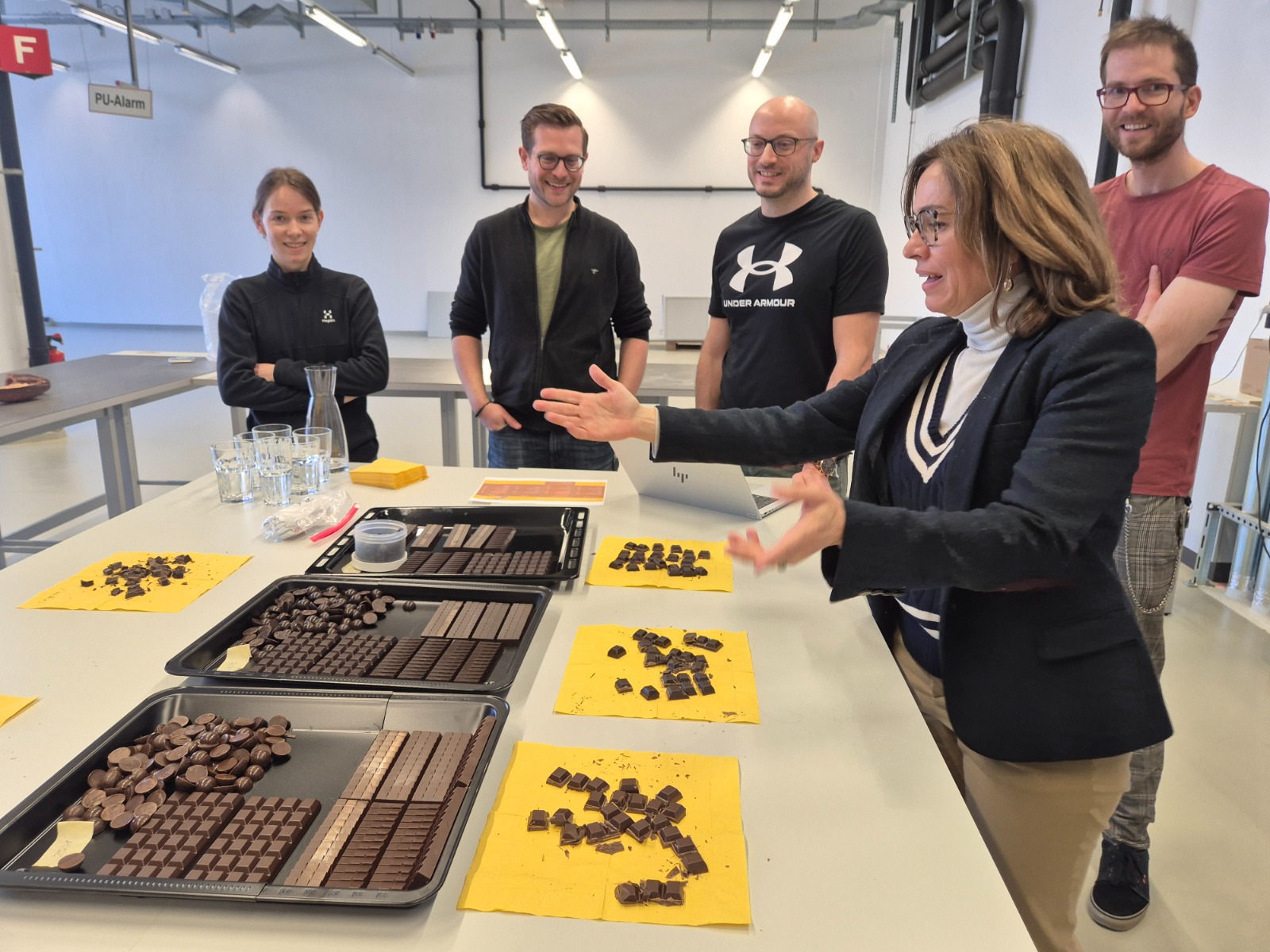
For more than a century, chocolate production has been bound to two fragile systems: tropical agriculture and global shipping. Both are now under pressure. Climate volatility is reshaping rainfall, crop disease is spreading faster than farmers can respond, and environmental externalities – from deforestation to water scarcity – are becoming impossible to ignore. Even the biggest brands are confronting an uncomfortable truth: the world’s appetite for cocoa can no longer be met by the world’s remaining cocoa.
Food Brewer has emerged from that collision of demand and depletion. What began as a research effort into plant cell cultivation has grown into a dual-track platform: one pathway focused on brewing cocoa cells directly, another on producing cocoa-free powders that replicate chocolate’s flavor profile without using a single bean. “The supply of cocoa is at risk,” says Klaus Kienle, Co-Founder & Chief Production Officer. “Customers on our end can choose brewed plant cells or a cocoa alternative already approved for food. Both provide reliable, high-quality supply at a much lower environmental cost for a comparable taste.”

The company’s core bet is that the equipment that transformed beer production can also cultivate plant cells at scale. Working with Steinecker – the brewing-technology subsidiary of Krones – Food Brewer adapted fermentation vessels to support plant cell growth rather than yeast. It is a shift in mindset as much as technology. Instead of treating plant cells as delicate, small-scale ingredients, the team sees them as inputs ready for industrial-level processing.
A new supply chain takes shape
2025 was the year the theory began to prove itself in the real world. Food Brewer secured partnerships with two chocolate players, Lindt and Puratos, validating flavor performance and the commercial appetite for alternative supply routes. It also expanded production capacity from 1,600 liters to more than 6,000 liters – an upgrade completed in December 2025 – with submission of the FDA food approval dossier for brewed cocoa cells in the following few weeks. Parallel to this, its cocoa-free alternative, developed from yellow pea, entered production and early customer agreements.
The technology behind that cocoa-free product is unexpectedly compelling. Made from an upcycled byproduct, the powder carries a CO2 footprint up to 90% lower than conventional cocoa and requires more than 90% less water. It avoids the 85% waste inherent in traditional cocoa processing and decouples chocolate flavor from the social externalities that have plagued the sector for years, including child labor and inconsistent compensation for farmers. At scale, in fact, it could help stabilize supply for manufacturers while also reshaping the sustainability narrative of the entire category.
Scaling the plant cell pathway has been the harder technical obstacle. “We had to reach volumes that make sense for food and meet pricing needs,” Kienle continues. “So, we partnered with leading food players to develop solutions for tomorrow – like Steinecker’s upgraded brewing tank for plant cell culture, which we now use in a continuous production process.” The company continues to run collaborations with major cocoa partners, including several not yet disclosed.
The CO2 footprint of our cocoa powder is up to 90% lower than conventional cocoa. That changes the equation completely
Investment has followed suit. Zürich Kantonalbank, Lindt and Sparkalis (the venture arm of Puratos) have all backed the company, with a Series A planned for early 2026. The capital will support production expansion, regulatory work and market entry – particularly in Europe, where Kienle expects cocoa-free products to gain early traction.
Beyond cocoa, Food Brewer’s plant cell platform hints at a far broader frontier. The team has already cultivated coffee, nuts and berries and is building the first data set of its kind for predictive modeling in plant cell bioprocessing.
The implications stretch well beyond confectionery, potentially rewriting how flavor, nutrition and agricultural inputs are sourced in a climate-constrained world.
Kienle’s five-year vision is simple but ambitious: market leadership in cocoa-free powders in Europe and the first commercial launch of cell-cultivated cocoa in the USA, followed by Europe. The long game is even bigger – turning plant cell brewing into a foundation for future food supply chains, where resilience comes not from climate luck but from controlled, data-driven production. Chocolate has always been a product of geography. Food Brewer is betting that its future will be a product of engineering instead.
Plantopia
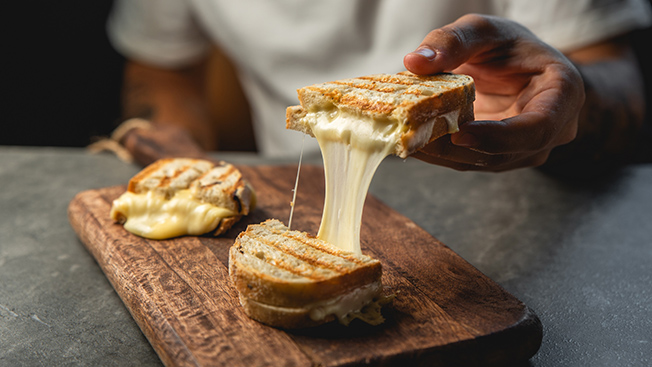
Cheese has long revolved around a simple truth: without casein, the protein that gives dairy its melt and stretch, the category collapses. For centuries, that dependency has shaped supply chains and limited innovation. Plantopia was built on a clear premise: produce animal-identical micellar casein in plants, and the bottleneck breaks.
It is a bold ambition, and Tal Lutzky, Plantopia’s Co-Founder & CEO, articulates it with measured precision. “We produce animal-identical micellar casein in plants, making real cheese possible without livestock,” he says. He adds that scientific novelty is irrelevant unless it survives the two gatekeepers of the modern food system: quality and cost. For Plantopia, those guardrails were built into the platform from day one.

The technical breakthrough arrived in 2025, when Plantopia achieved native-like micellar assembly of all four casein proteins (αS1, αS2, β and κ). More than a scientific milestone, it was the point at which the protein began to behave like its bovine counterpart. Melt, stretch and texture – the mechanics that matter to cheesemakers – aligned. Samples moved into the hands of global dairy manufacturers, where evaluations were blunt and practical. The verdict was clear: the functionality was real, repeatable and indistinguishable where it mattered.
From validation to inevitability
That validation unlocked the next stage of Plantopia’s masterplan. Strategic collaborations followed, alongside a funding round backed by institutional VCs and dairy partners. These investors brought more than capital; they brought operational insight. If Plantopia’s future lies in supplying casein to large dairy producers, then scale must be designed around their equipment, processes and economic thresholds.
Molecular farming, Lutzky believes, offers a different path than precision fermentation. Instead of relying on high-CapEx stainless-steel infrastructure and costly downstream processing, the plant becomes the bioreactor itself. The system doesn’t eliminate complexity, but redistributes it, allowing production to scale with lower capital intensity and a clearer route to competitive pricing.
“We’re not approximating functionality,” he continues. “We are producing the actual protein architecture that makes cheese behave like cheese.” The challenge now is cost. Not theoretical structures or aspirational unit economics, but verified, manufacturable, defensible numbers. Lutzky is blunt about the stakes. “The credibility hurdle is behind us. Now we are doing the hard but necessary work of making this commercially inevitable, not just scientifically exciting.”
Pilot-scale production is the next proving ground, designed to demonstrate both technical viability and economic performance at industrially relevant volumes. That expansion includes regulatory milestones – beginning with the USA – and the extension of the platform to additional functional proteins such as lactoferrin, where global demand outpaces traditional supply. As with casein, Plantopia is validating functionality before pursuing aggressive scale-up.
Environmental gains remain central to the mission. The largest contributors to cheese’s footprint – land use, water consumption and methane – trace directly back to cows. By removing livestock from the equation, Plantopia can make strong directional assumptions about emissions reductions even before formal LCAs are complete. As pilot-scale data accumulates, those directional claims will crystallize into validated impact metrics.
The bar for proof is extremely high now. Potential isn’t enough – you need demonstrated performance
Lutzky sees 2026 as a turning point for food tech more broadly. “The shift from hype to hard economics,” he says. “Cost without performance is a compromise. Performance without cost is a demo. The winners will deliver both, at scale.”
Five years from now, Lutzky envisions a world where animal-free casein is a standard industrial input. Where cheeses made with Plantopia’s proteins sit beside dairy incumbents, indistinguishable in performance and competitive in price. And where climate impact is measured not in optimistic projections, but in megatons avoided.
It is a vision not of replacement, but of redesign – a dairy system built on the same proteins, just liberated from the cow.
Kynda
Every year, the food industry harvests vast amounts of biomass, much of which never becomes food. Up to 75% of what is grown is poorly used or wasted, even as agriculture already occupies nearly half of the planet’s habitable land. The usual response has been to intensify production, but the ecological cost of that is mounting.
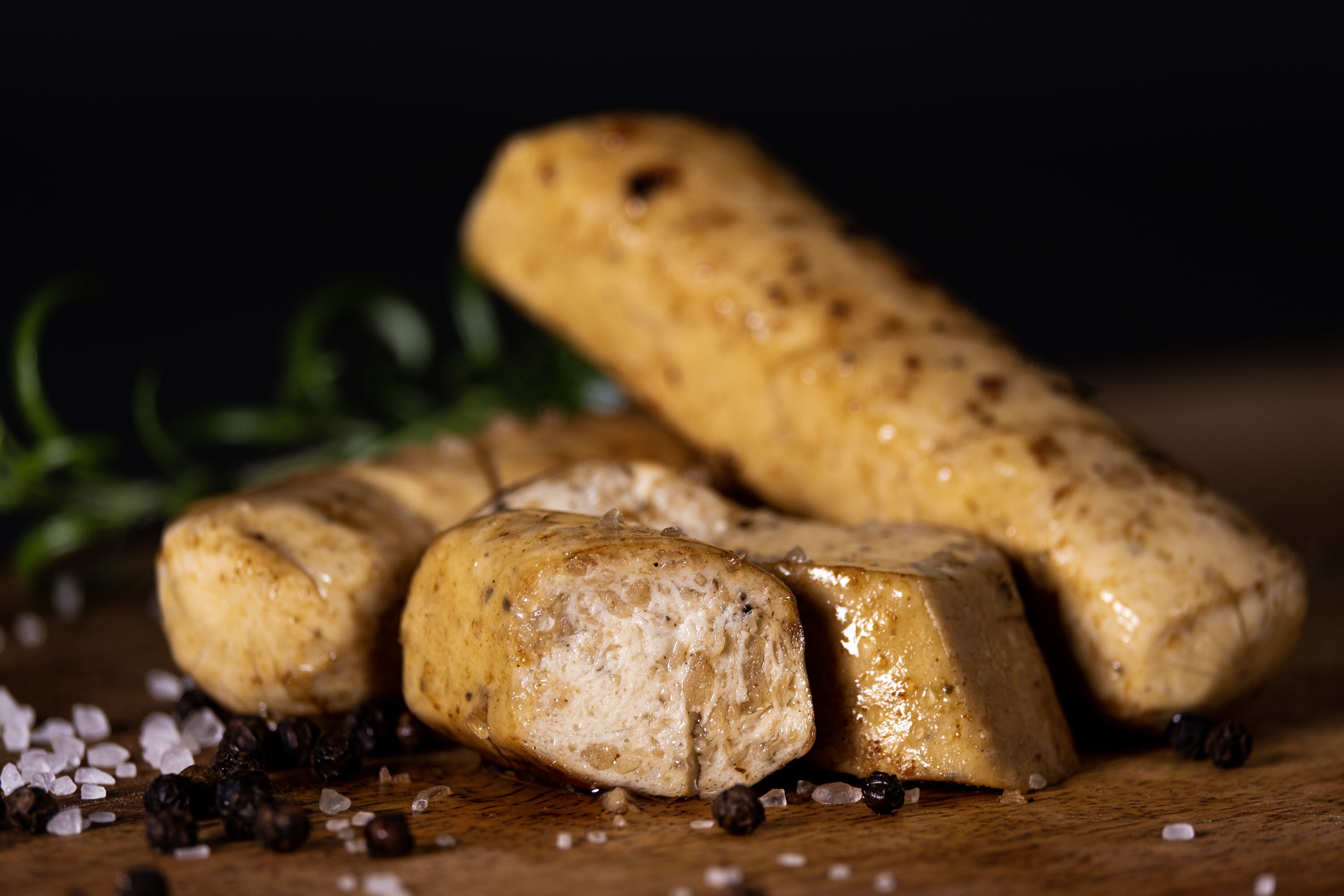
Kynda was founded to take a different route. Its technology converts food industry sidestreams into high-value mycelium ingredients in as little as 48 hours through fermentation integrated directly into existing factories. The goal is not just another protein source, but an infrastructure layer for a more efficient food system.
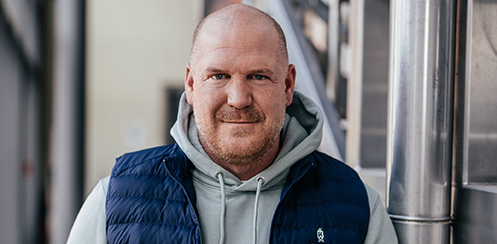
“We do it with a robust, decentralized fermentation process inside food factories, and we provide tailored process development, hardware and starter cultures to maximize value in a sustainable circular bioeconomy,” explains Franziskus Schnabel, CEO & Founder.
Shipping low-value byproducts to distant facilities makes little sense in a world trying to cut emissions and costs. Kynda’s bioprocess has been engineered specifically for these complex inputs and for the realities of food production environments. “We have always focused on making our bioprocess suitable for sidestreams,” Schnabel adds. “That allows our partners to process sidestreams where they occur, without adding layers of complexity.”
Fermentation inside the factory
Instead of producing and selling mycelium as a commodity ingredient, Kynda shares its technology as an enabler. Partners receive the hardware, process and cultures needed to ferment their own byproducts into nutritious, functional mycelium that can flow into plant-based products or hybrid formulations.
That model began to solidify in 2025. Kynda closed its seed round and deepened a strategic partnership with PHW Group. Through the German giant, Kynda has worked closely with Rovita, gaining access to large-scale fermentation lines far earlier than most startups. “This has accelerated the industrial scaling of our process greatly,” Schnabel reports.
The team also ran extensive trials across a wide range of sidestreams: oat okara, soy okara and soy whey, acidic whey from dairy production, starch slurries and sugar-processing byproducts.
Each successful evaluation represents another potential factory where waste can be converted into value instead of cost.
At the same time, Kynda moved ahead with its new Development and Production Center near Hamburg, designed to underpin its next phase of growth.
Investment has followed the thesis. The company has raised around US$3.3 million in seed funding, led by EnjoyVenture’s Invest-Impuls Scale fund, with participation from PHW Group, and Swiss climate-tech investor Clima Now. Additional partners include Atlantic Food Labs. The funds are being used to expand production capacity in Jelmstorf and support commercial roll-out. Kicking off the first industrially scaled production lines and supplying partners that take the technology online in 2026 sit at the top of the company’s priority list.
If we really want to change the food system by fermenting sidestreams, we need to do so within the system
Technically and commercially, the hardest challenge has been designing hardware and bioprocesses cost-effective enough to compete with subsidized plant and animal ingredients. Transforming sidestreams only matters if it can be done at a price the market will accept. For Schnabel, that is why on-site processing is non-negotiable. Every kilometer that a sidestream travels drains value.
There is also a perception gap to close. “One of the biggest myths we face is that mycelium fermentation is always expensive or energy intensive,” Schnabel continues. “In reality, it can be very resource-efficient, particularly when processing sidestreams on site.”
Schnabel’s longer-term vision extends beyond Kynda itself. Five years from now, he hopes to see not only international deployment of the company’s processes, but also broad adoption of comparable sidestream-transformation methods across the global food industry. “We very much hope for other companies to join this path,” he says.
In the nearer term, Kynda expects to see the first B2C products with its mycelium inside launch in 2026, alongside expansion into additional factories. For a company that started developing better plant-based meats, the pivot to enabling infrastructure has clarified the mission. The ideal future, Schnabel believes, is simple to state but complex to achieve: a world where 100% of harvested biomass is available for human consumption.
Gimme Sabor
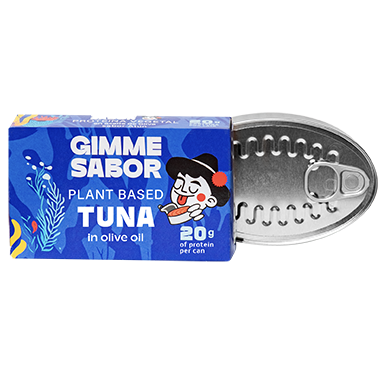
In most plant-based launches, flavor still arrives last. Formulators solve for nutrition, cost, and labels, then try to patch in taste at the end. It’s why so many products end up ticking boxes without winning hearts. Victor Garcia Montero and his partners Cholo and Raul built Gimme Sabor on the inverse logic: start with flavor, and everything else follows.
The Spanish food-tech is dedicated to developing 100% plant-based flavor innovations that replicate the sensory experience of traditional foods. That means meat, fish, seafood, and cheese profiles built entirely from plant ingredients, free from allergens, GMOs, and MSG, with halal, kosher, and organic options where needed.Beyond flavor bases, the company also delivers full formulations, including ready-to-eat plant-based proteins such as its vegan tuna – originally co-developed with a traditional seafood company – plus sauces, snacks, and next-generation products built around bold taste and clean labels.

For Garcia Montero, the problem is clear: the global plant-based category still struggles with flavor acceptance. Many consumers want to reduce animal products, yet miss the richness and emotional satisfaction that make food feel like a treat. “We address one of the biggest gaps in the plant-based market: flavor acceptance,” he says.
From Murcia to Seoul
The company also acts as a bridge for traditional producers entering plant-based without extensive internal R&D. Gimme Sabor provides ready-to-scale formulations, technical support, and flavor systems that shorten development timelines and meet modern consumer expectations.
At the core of its technology is reverse engineering. The team decodes the sensory profiles of animal-based foods and recreates them using plant ingredients, combining scientific precision with culinary creativity.
The company’s roots in Murcia are not incidental. The region is a historic center for spices and flavor development, and Gimme Sabor’s team includes professionals from families with generations in the seasoning industry. That heritage – combined with a global network of raw material suppliers – gives the company deep know-how and sourcing resilience.
If 2025 was a test of that formula, it passed. Gimme Sabor entered the Asian market through its subsidiary Gimme Sabor Korea, completed its first commercial import of more than 7,500 units, and began localizing production. The company also placed fourth in Korea’s K-Startup Grand Challenge, standing out as the only European food company among mostly AI and deep-tech participants.
Innovation in food must always be human-centered. It’s not just about molecules or machinery; it’s about culture, emotion, and pleasure
In Europe, though, the team expanded distribution to five countries, strengthened B2B collaborations for private-label and co-branded projects, and broadened its R&D pipeline with new flavor systems inspired by global cuisines, including Kimchi and Jeju Black Pork.
For 2026, the agenda is focused on scaling and localization: establishing a manufacturing partnership in South Korea, expanding industrial collaborations in Europe, and investing in next-generation natural flavor compounds and hybrid applications that link sensory excellence with clean-label, allergen-free design.
The technical challenge has been significant. Recreating the sensory complexity of tuna, cheese, or roast meat without animal ingredients, soy, or gluten required rethinking the chemistry of taste. Gimme Sabor responded by building an interdisciplinary R&D structure where scientists, chefs, and sensory experts work together from the first brief.
On the commercial side, navigating regulatory frameworks and taste preferences across Europe and Asia has been demanding, but it has also pushed the company to harden formulations for global scalability.
Garcia Montero is keenly aware of the entrenched narratives that still surround food tech, particularly the belief that plant-based means less flavor, lower nutrition, or higher cost. At Gimme Sabor, the view is different: innovation has to be human-centered, with culture, emotion, and pleasure treated as seriously as molecules and machinery.
Five years from now, Garcia Montero foresees Gimme Sabor’s technology as the flavor backbone of a new generation of sustainable foods, embedded in sauces, snacks, ready-meals, and proteins across Europe and Asia. By then, he hopes, choosing plant-based will no longer feel like a sacrifice. It will simply taste like the obvious choice.
Oobli
In the modern food system, sugar sits at the heart of a paradox. It is one of the cheapest tools for delivering pleasure and one of the costliest for public health. Diabetes, obesity, heart disease and hypertension all trace a clear line back to added sugars and the carb-like sweeteners used to replace them. For decades, the industry has tried to engineer its way out of that dependence, but most solutions have come with their own trade-offs.
From Ali Wing’s vantage point as CEO of Oobli, the way out is not another carbohydrate. It is a different macronutrient entirely. The company’s platform is built around sweet proteins, molecules found in plants and fruits that grow along the Equator. These proteins deliver low to no calorie sweetness that can be hundreds to thousands of times sweeter than cane sugar. And as they are proteins, the body digests them into amino acids with no impact on blood sugar or insulin. That distinction matters: most sugars and sugar alternatives are carbohydrates and behave very differently in the body when consumed at scale.

The public health backdrop is stark. In the USA, consumers routinely take in two to three times the recommended daily intake of added sugars, averaging more than 17 teaspoons a day. Nearly half of the population is obese, and around 42% are diabetic or pre-diabetic. Oobli’s leadership is pragmatic about those numbers. Humans are wired to crave sweetness. Expecting people to abandon it is unrealistic. Changing what sweetness is made of is the more durable lever.
Sweetness without farm fields
The other half of Oobli’s story is environmental. Instead of growing sweet proteins in orchards or plantations, the company produces them through fermentation. Yeast make proteins found in tropical fruits, which are purified from the fermentation broth, resulting in a nature-identical, non-GMO ingredient requiring no commercial farming.
The contrast with cane sugar is sharp. Sugarcane occupies tens of millions of acres of arable land and drives heavy water use and pollution. A lifecycle analysis done by an independent third party for Oobli concluded that replacing just 1% of global sugar use with sweet proteins could save hundreds of thousands of acres of farmland, cut carbon emissions by around a million metric tons, and conserve tens of millions of gallons of water.
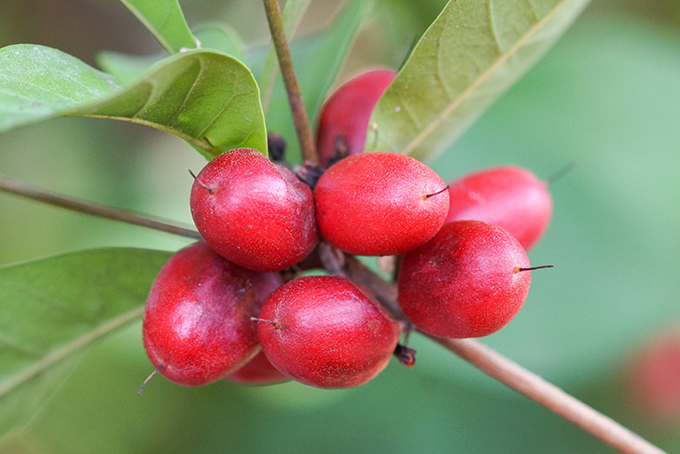
In 2025, Oobli crossed a crucial regulatory threshold. The company became the first commercial-scale sweet protein platform to receive a ‘no questions’ letter from the US Food and Drug Administration for its second oubli fruit sweet protein, brazzein-54. That GRAS status joined earlier approvals for brazzein-53 and monellin from the serendipity berry. Together, they form the first wave of what the team informally refers to as ‘happiness proteins’ – ingredients designed to satisfy both taste and physiology.
External validation followed. Oobli announced a global distribution deal with Ingredion, and was recognized in Fast Company’s 2025 World Changing Ideas awards. The Ingredion deal is particularly important: it plugs sweet proteins directly into mainstream food and beverage supply chains, from sodas and baked goods to yogurts and candies, rather than relegating them to niche launches.
Looking toward 2026, Wing and her colleagues are focused on commercial expansion. Oobli is already scaled to supply sweet proteins at sugar-like pricing. In some products, the ingredient will appear on the front of the pack. In others, it will sit quietly in the ingredient list as ‘sweet protein’, replacing a portion of sugar.
Sweet proteins offer an entirely new operating system for sweetness
The hardest challenge now is not scientific. It is temporal. Large CPGs move cautiously, especially when reformulating hero products. Getting a new ingredient from approval into finished goods can take years, even when the health need is clear. Oobli’s strategy is to work with early-mover brands to create proof-of-concept products that demonstrate how sweet proteins change the formulation playbook.There are perceptual hurdles to clear as well. Some consumers assume that because Oobli ferments sweet proteins instead of growing them in fruit, the technology is somehow less natural. The company counters by situating itself in a long tradition: cheese, beer and wine are all products of fermentation, and the proteins Oobli makes are nature-identical to the ones found in the original plants.
Ultimately, Oobli measures success in both health and resource terms. If the company is right, sweet proteins will become the new chassis for sweetness in packaged goods, with sugar playing a supporting role rather than the lead.
For Wing, the win would be visible on multiple fronts: fewer grams of sugar on labels, fewer diet-related diseases in the population, greater long-term consumer trust, and a food system that satisfies human cravings with far less impact on the planet.
Kayama Foods
In food innovation, fat is often treated as either a problem or a placeholder. Reformulators swap one oil for another, adjust percentages, or layer in stabilizers, emulsifiers, and bulking agents to mimic what animal fats naturally do: carry flavor, deliver mouthfeel, brown beautifully, and behave predictably in a hot pan. But the trade-offs deepen with every substitution. Healthier fats lack structure. Solid fats sacrifice nutrition. And across categories – from bakery to plant-based meat – manufacturers face the same impasse: you can improve health, or you can preserve performance, but rarely both.
Anna Sliozberg, CEO & Co-founder, built Kayama Foods to break that equation.
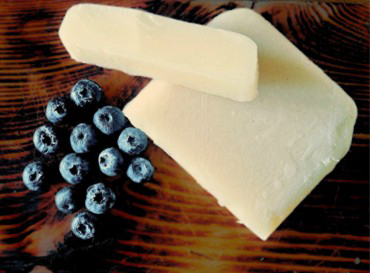
Kayama develops high-oleic physically structured fats designed as drop-in ingredients that behave like animal fat while remaining plant-based, clean-label, and nutritionally advantageous. The company’s flagship ingredient, Olearae Struct, transforms liquid oils with fruit-oil-like fatty-acid profiles into solid, stable fats with thermo-reversible behavior, high oxidative stability, and the ability to carry flavors, vitamins, minerals, and omega-3s. For manufacturers, the pitch is simple: deliver the taste, texture, and cooking performance consumers expect – without red-label warnings, high saturated fat levels, or the volatility of tropical oil supply chains.

“Food producers struggle to deliver taste, texture, and cooking performance while meeting growing demand for healthier products,” Sliozberg believes. Existing fats force compromises that slow growth and complicate expansion into new categories. Kayama offers a different pathway: a structured fat up to 90% lower in saturated fat than conventional solid fats, fully clean-label, cost-competitive with cocoa butter and butterfat, and stable at room temperature.
Healthier choices, fewer trade-offs
2025 marked Kayama’s transition from lab-scale innovation to real-world application. The team scaled production to pilot capacity, secured letters of intent from major food producers, initiated its first paid pilot program, and completed two leading food-tech accelerators: StartLife in Wageningen and the ProVeg Incubator in Berlin. Beyond refining the science, the programs provided validation and access to technical partners and customers.
Regulatory readiness now sits at the center of the 2026 roadmap. Kayama aims to convert pilots into commercial engagements while expanding partnerships. Support from the Israel Innovation Authority has accelerated R&D and scale-up, alongside matching funds to sustain development.
One of the biggest challenges, Sliozberg says, is cutting through noise surrounding plant-based fats – particularly seed oils. “Consumers are increasingly wary of conventional seed oils, despite the scientific nuance often being lost in the debate.” Kayama responds by using high-oleic oils with fatty-acid profiles closer to fruit oils, aligning performance with nutritional expectations.
The larger received wisdom is that plant-based fats inherently underperform or require complex formulations to compensate. Kayama’s work aims to reverse that narrative, showing that clean-label fats can meet or exceed traditional solid fats while improving sustainability and cost efficiency.
Kayama evaluates its progress across environmental, nutritional, and economic dimensions. Reducing reliance on tropical oils and animal fats lowers deforestation risk, emissions, and resource dependency. Nutritionally, the structured fats offer reduced saturated fat and zero cholesterol. Economically, Sliozberg envisions an integrated production system supporting local agricultural value chains.
Functionality and nutrition depend on the specific oil and processing. Our structured fats show that plant-based doesn’t have to mean compromise
Sliozberg predicts a transformed fat landscape. “We aim to replace much of the world’s animal and tropical fats with healthy, plant-based alternatives,” she says. If Kayama succeeds, functional fats would no longer be defined by compromise but by versatility.
As consumers increasingly expect clean labels, better health profiles, and credible sustainability claims, brands need ingredients that meet overlapping demands. Sliozberg believes 2026 will amplify this convergence, driven by regulatory clarity, scale-up investment, and science-led communication.
“Communicating the science behind foods in a way that resonates with consumers is critical,” she says. “Science, not hype, has to drive informed choices and accelerate adoption.”
Ultimately, for Sliozberg, the goal is a future where the world’s fats are cleaner, smarter, and aligned with nutrition and climate goals – where the right fat doesn’t just taste good, but does good.
Enifer
Most new protein stories start with a lab breakthrough. Enifer’s begins in an archive. In the 1970s, Finnish engineers and scientists developed and industrialized a fungal fermentation process that turned forest-industry sidestreams into protein for pig and poultry feed. The product was called PEKILO mycoprotein. For a time, it ran at industrial scale. Then markets shifted, pulp and paper economics changed, and the technology quietly receded into history.
Decades later, Enifer has brought PEKILO back, rebuilding and extending it for a very different era. “We have taken this ingenious process many steps further by expanding the range of possible raw materials to cover various agrifood industry by-products, as well as the range of targeted markets to cover aquaculture and petfood,” says Simo Ellilä, CEO & Co-founder. “We’ve also developed a bespoke food-grade mycoprotein ingredient for human nutrition.”

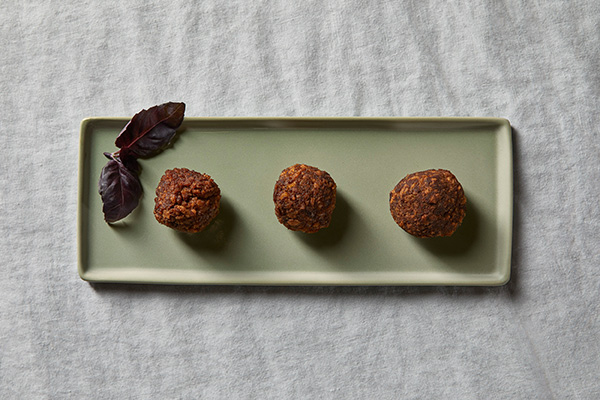
At its core, the PEKILO process ferments industrial sidestreams into a dry, shelf-stable mycoprotein rich in protein and fiber. Designed to run on by-product streams rather than virgin sugar, it produces an output that flows directly into existing value chains. Enifer positions PEKILO as a complementary building
block for feed, petfood and food manufacturers seeking greater nutritional density and resilience.
From revival to ramp-up
What makes PEKILO unusual is that it is both old and new. Compared with other fungal fermentation platforms, Enifer’s process comes with something rare in food tech: a demonstrated industrial history. It has already produced protein at scale and at a cost point that can compete. Enifer’s focus has been updating that foundation for modern markets.
Today, the company sources carbon from agrifood sidestreams rather than the forest industry, improving economics and environmental performance. Production can be located close to raw materials and end customers, strengthening supply chain resilience and reducing logistics emissions. Life-cycle assessments show minimal land and water use and low climate-warming emissions.
The past year marked a turning point. In 2025, Enifer moved toward mechanical completion of its first commercial facility in Kantvik, Finland, a 3,000-ton-per-year plant representing a €33 million investment. Once ramped, the facility will produce PEKILO Pet for petfood and serve as a reference for future factories.
On the regulatory side, Enifer achieved self-affirmed GRAS status for its food-grade PEKILO ingredient in the USA, clearing a path for initial human nutrition applications and early commercial launches. Internationally, the company announced its first overseas deployment through a partnership with FS in Brazil, where the PEKILO process plugs into existing corn dry-grind mills.
Partnerships underpin the journey. Valio is both a minority shareholder and a development partner, while investors include Nordic Foodtech VC, Taaleri, Voima Ventures, Tesi and Valio, with a Series C targeted for early 2027.
Our process stands out thanks to its demonstrated history and proven ability to deliver sustainable protein at an industrial scale and at a price point that is compelling
The hardest work, Ellilä says, has been aligning both ends of the value chain. “Our business depends on partners both upstream and downstream. Trying to align both ends and get binding commitments has been more challenging than we originally anticipated.” Building the independent facility in Kantvik is part of the solution, allowing flexibility in feedstock sourcing and validating offtake.
Outdated associations persist. Mycoprotein is still closely linked with a single commercial brand, obscuring the diversity of raw materials, processes and business models across the category. PEKILO’s history predates Quorn’s, and the ingredient was tested in food applications as early as the 1970s and 1980s, including research at MIT.
Looking ahead to 2026, the priorities are clear: ramp up the Kantvik plant, ship the first commercial volumes, secure additional regulatory approvals and begin food applications. Five years out, Ellilä envisions multiple commercial-scale facilities operating across continents.
PEKILO may have started life as a niche feed ingredient in a very different industrial landscape. Enifer’s bet is that, with the right partners and process improvements, it can help mycoprotein step into its next role: a reliable, scalable source of nutrition in a world that needs more protein from fewer resources.

Meala FoodTech
Food manufacturers have long wrestled with a familiar compromise. Eggs and hydrocolloids deliver texture and stability for baked goods and plant-based meat products, but they also bring volatility, allergens, consumer pushback, and increasingly complex ingredient lists. Clean-label alternatives promise transparency, yet many have struggled to match the performance required on fast, high-volume production lines.
Meala was created to collapse that trade-off. The company’s texturizing protein platform revealed what Hadar Ekhoitz Razmovich, CEO & Co-founder, calls the “hidden potential” inside plant proteins, enabling them to bind, emulsify, foam, and structure products with the reliability of eggs. “Our functional proteins deliver the texture, juiciness, and structure manufacturers expect, while appearing on the label simply as pea protein,” she says. “That means clean labels without compromise and without increasing production costs.”
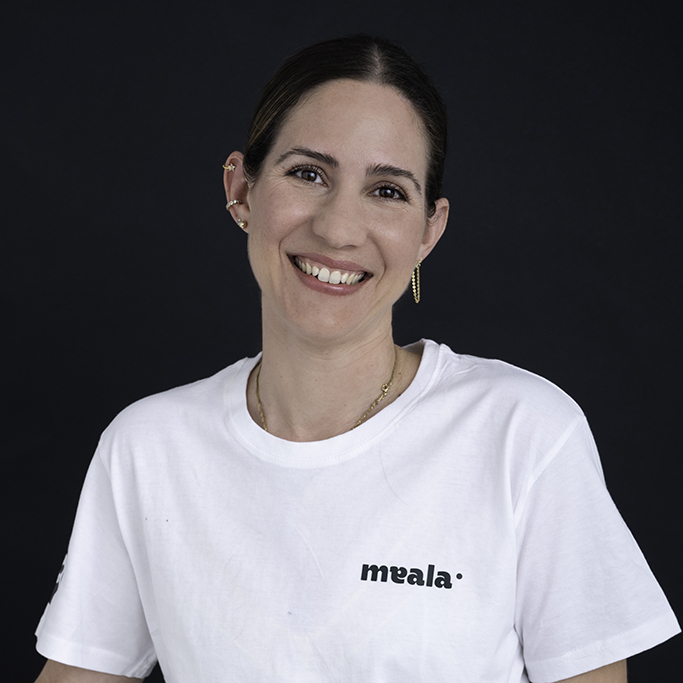
For manufacturers operating on tight margins, Meala’s ability to reduce ingredient costs by more than 40% is not incremental. It is transformative.
The shift Razmovich sees is structural rather than cosmetic. “Consumers are reading labels, avoiding additives, and voting for transparency. If better-for-you foods are going to scale, they need ingredients that make those promises possible.”
Meala’s platform replaces the functionality of eggs and hydrocolloids while delivering a label-friendly identity. Rather than acting as a single replacement molecule, the ingredient behaves as a functional system, supporting performance across baked goods and plant-based meat applications. “Clean label is no longer a compromise,” Razmovich says. “It is an upgrade.”
Scaling through focused applications
In 2025, Meala launched two commercial products with dsm-firmenich and Lasenor, bringing its technology into savory plant-based and baking applications. “The response from commercial bakers has been extraordinary,” Razmovich says. “Vertis PB Pea for savory products and Groundbaker for baking prove the versatility of our platform and validate that it works at scale.” Such partnerships have been central to Meala’s progress. dsm-firmenich contributes global reach, technical depth, and regulatory expertise, while Lasenor provides a strong entry point into the baking sector. EIT Food, an investor and supporter through the Rising Food Stars program, has further accelerated visibility and market access.
One of Meala’s core insights is that food manufacturing rewards reliability over novelty. Razmovich acknowledges that the industry’s cautious approach to change is justified. “Even a small ingredient shift must prove itself without compromising taste, texture, or efficiency,” she says. “That has been an opportunity for us to demonstrate the strength of our technology.”
Through collaborative trials and real-world pilots, Meala has shown that its proteins can deliver consistent outcomes in demanding commercial environments. The focus, Razmovich emphasizes, is on performance that holds up under real production conditions.
Meala evaluates progress across three dimensions: cost savings, label simplification, and nutrition. “We boost protein content while cleaning labels,” Razmovich says, noting that Meala’s proteins are allergen-free and non-GMO. Life cycle assessments indicate reductions in carbon emissions, water use, and land intensity compared with eggs and traditional texturizers.
Clean label is no longer a compromise. It is an upgrade
Looking ahead, the company sees three trends shaping 2026: clean-label expectations hardening into baseline requirements, nutrition increasingly delivered through functional ingredients, and a more disciplined scale-up environment that rewards technologies with proven commercial performance. “The industry needs more proof points,” Razmovich says. “Every successful product launch strengthens consumer confidence and accelerates transformation.”
By 2030, Meala aims to become a go-to partner for clean-label functional proteins in plant-based meat and baking. “Our long-term vision is a platform that can unlock the potential of plant proteins and deliver the functionalities manufacturers need,” Razmovich says. “We want to support innovation without compromising taste, texture, or experience.”
If you have any questions or would like to get in touch with us, please email info@futureofproteinproduction.com

More Features

Protein Pioneer: Justin Kolbeck

Feeding change

Protein Pioneer: Kesha Stickland


