


Deep Dive: Engineeering Excellence
Louise Davis speaks with eight experts driving innovation in plant-based foods, revealing how advances in structure, texture, and processing are tackling the category’s toughest technical challenges
Where the first wave of alternative proteins learned many of its lessons from the biotech sector, the next generation is looking to engineering and materials science for inspiration.
And it’s obvious why casting the R&D net wider is necessary. There’s a lot of talk right now about the future of plant-based foods, particularly plant-based meats. As ever with anything that challenges the traditional meat industry, vocal naysayers are delightedly crowing over the growing number of companies announcing that they have reached the end of their operational road.
The investment landscape is particularly ominous, too. It’s unsurprising that potential plant-based investors are cautious; a huge problem in recent years was startups rushing to market with products that simply weren’t fit to compete against their traditional counterparts – or even against other offerings in the plant-based category.
Now, the smart minds with a horse in the race are taking on board lessons from previous generations of plant-based foods, including those now consigned to food heaven, and looking to other areas to get the science right this time. There is growing momentum, from research through to the industrial level, to ensure that what hits the market next is a generation of plant-based products that will supersede those that came before and offer category-defining commercial longevity.
It’s a lofty aim, given the number of technical hurdles that remain when it comes to the taste and texture of plant-based products. As the experts profiled below demonstrate, challenges such as creating a plant-based meat with the same fibrous structure, juiciness and mouthfeel as traditional meat are far from easy to overcome. Other technical issues – across plant-based, fermentation-based and cultivated systems – span everything from off-note reduction and flavor release to scale-up consistency. All of this sits against the backdrop of the need for plant-based products to shake off their UPF label in favor of a cleaner one.
Fight for survival
As well as the raft of technical hurdles, there are political and consumer-led issues to consider. Summarizing why taste and texture have become such critical metrics, one of the experts featured below, Dr Alejandro G. Marangoni, says: “The plant-based industry is suffering at the moment, and innovation has been replaced by survival.
“Sustainability doesn’t seem to be a high priority among consumers, even younger ones. There is an interesting geopolitical shift occurring across the world: veganism is not cool; people are not as concerned about climate change or the environment; people are consuming more animal products than ever, and the focus is on indulgence.”
Against this complex backdrop, the scientists, engineers and category experts interviewed here are pioneering what they hope will become the new normal for plant-based products: cleaner, tastier, better performing, and with a texture that’s spot on. If they can achieve their goals, consumer confidence should begin to rise again.

TISSUE TALK
“Anyone who has consumed both a plant-based and animal hamburger or sausage is keenly aware of the textural differences between the two – and let’s not even mention flavor,” begins Dr Alejandro G. Marangoni with a smile. “One of the characteristics of plant-based products is that upon heating, much of the oil in the product leaks out, leaving behind a ‘drier’ and less palatable product. Unfortunately, this happens before the product looks ‘cooked’ or ‘brown’, leading to a massive loss of oil,” he explains.
Marangoni points out that the oil is supposed to provide lubricity in the mouth – delivering the fatty, satisfying texture that consumers expect from meat – as well as much of the flavor. “When the oil is lost, the product left behind appears dry, crumbly and not very appetizing. It is obvious that a regular animal product does not behave like this at all,” he says.

“The reason for this is because the ‘fat’ in an animal product is not a regular fat or oil, as in a bottle of vegetable oil or butter or margarine. This is a misnomer… it is actually adipose tissue,” explains the professor, who works at the University of Guelph in Ontario.
He explains that adipose tissue looks like a sponge filled with oil. “So, when the material is heated up, the oil remains trapped within. It is almost like the adipose tissue serves as a structure for the controlled release of oil. This adipose tissue also provides texture and chew to the product. In contrast, a chunk of coconut oil in a plant-based product just melts away and leaks out.”
Marangoni and his team in the Department of Food Science are pioneers in the use of synchrotron radiation, particularly micro-computed tomography (CT), for imaging entire pieces of food materials – cheese, meat and indeed adipose tissue. “Dr Stacie Dobson and I have spent much time at the Canadian Light Source synchrotron using their analytical facilities to understand the exact structure of food materials,” he says. “So, when we discovered that dried plant tissues looked like ‘sponges’ or open-cell foams, we asked ourselves, ‘can we just fill those with special fats and oils and effectively create a true adipose tissue mimetic?’ Without micro-CT, we could not have understood this is what we needed, so it provided a structural target we needed to hit. We then explored two avenues based on our discovery of the open-cell foam structure of plant tissues and pea starch gels.”
Structural engineering
Both of these avenues rely on relatively simple and recognizable ingredients – freeze-dried vegetables infused with oil, and a gel made from pea starch and chickpea flour. So, could textural engineering with whole-food ingredients be a pathway to moving plant-based meats away from the ‘ultra-processed’ label?
Marangoni reckons it can certainly play a role: “In our work, Dr Yasamin Soleimanian worked on the dried plant tissues, while Elyse Czapalay’s thesis focused on the pea starch gels filled with oils and emulsion-filled gel. And yes, we were focusing on natural materials; it doesn’t get much more natural (or indeed cheaper!) than pea starch and chickpea starch. With this approach, there is no need to ‘fabricate’ anything.”
He also observes that such an approach can increase the sustainability of plant-based products. “Pea starch is a major waste product of pea protein isolation, and it is not very functional, as it forms hard and brittle gels. However, this property is what we need for adipose tissue mimetics,” he explains. “First, it is surprisingly heat resistant, and when we combined it with chickpea flour, oil binding improved and the gel became less brittle. When we examined the structure of this emulsion gel by micro-CT, again we observed an open-cell foam structure. The oil is trapped within a solid ‘sponge’ made of gelled pea starch. Increasing the use of by-products such as pea starch is a great idea to increase sustainability and reduce waste. This is critical to the future of plant-based meat products.”
If we are ever going to produce a true meat analog, one of the things we need to do is to create a good adipose tissue mimetic
In terms of his own future, Marangoni has chosen not to patent these two methods. He comments: “I have launched several technology platforms in my time, but for this one we are ready to help interested parties that want to take the technology to market. We have a few secrets up our sleeves and are open to industry collaborations. I strongly believe we can make much improved and cheaper plant-based meat products with this technology. Texture, flavor, nutrition, and cost: we have the means to do them all right in the next iteration of this category.”
GRATE IDEAS
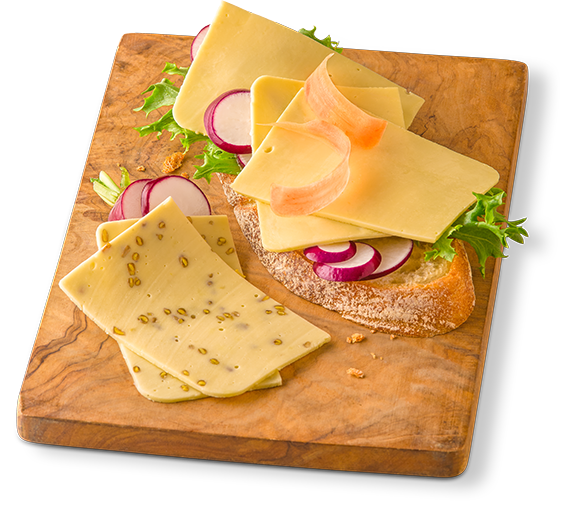
One of the European leaders in texture for plant-based foods is the German company Planteneers, which develops and produces custom stabilizing and texturing systems for what it describes as ‘plant-based indulgence’.
The Planteneers team has seen a number of recent success stories in the plant-based cheese category, notably the 2025 launch of a new line of plant-based cheese alternatives designed to meet growing demand for products that combine both sensory appeal and nutritional benefits. This innovation focuses on providing an elastic texture in sliced cheese alternatives with a protein content of up to 8%, addressing the two key consumer preferences of taste and health.

As Dr Pia Meinlschmidt, Head of Product Management, explains, one critical breakthrough involved tackling an issue that had frustrated many plant-based cheese players for years: increasing protein content typically leads to sandy, brittle textures and a loss of elasticity. “Our system is built on a modified starch-based functional matrix, and the key technological challenge was identifying the right protein combination to integrate into that structure,” she says. “We carefully selected and balanced proteins that are functionally compatible with the starch system, supporting water binding and emulsification without disrupting elasticity. At the same time, sensory neutrality was crucial, ensuring smooth texture and flexibility even at elevated protein levels.”
Another challenge specific to plant-based cheese is that it cannot rely on the casein networks used for melt and stretch in traditional cheese. Detailing the Planteneers approach here, Meinlschmidt says: “Rather than replicating casein directly, we create functionality through a structured matrix based on modified starch combined with a tailored plant-protein blend. The starch system provides structural integrity and sliceability, while the proteins contribute body, melt behavior and nutritional value.” She adds that this approach works particularly well in gluten-free formulations, where no wheat-based functionality is available to support texture.
These innovations on the texture side are being complemented by work on the flavor side, too. Because plant proteins often introduce beany or bitter off-notes, especially at higher inclusion levels, Meinlschmidt has focused on determining the best strategies for preventing these notes from appearing. “The most decisive factor is selecting proteins with naturally mild sensory profiles and combining them strategically so that no single off-note dominates at higher inclusion levels,” she says. “In addition, we optimize processing and fat-protein interactions to create a rounded flavor perception rather than masking unwanted notes. This allows us to maintain a clean-label positioning while improving overall taste.”
Snack attack
In recent months, Planteneers has extended its product portfolio, adding firm snack cubes and sticks with a creamy mouthfeel to its existing range of flexible deli-style slices. Commenting on the technical element of this scale-up, Meinlschmidt notes: “The modularity of the system lies in adjusting the ratio between modified starch, protein blend and moisture management depending on the required format. For slices, elasticity and flexibility dominate; for cubes or sticks, firmness and a defined bite are prioritized. This demonstrates how texture is driven by the balance between the starch matrix and the protein phase.”
The goal is not just to replicate cheese, but to create distinctive, stand-alone plant-based snack concepts
As well as technology, Meinlschmidt is also focused on consumer research. “When it comes to plant-based cheese, the category must close the gap in authentic creaminess, flavor release and reliable melt performance in hot applications,” she states. “Consumers increasingly expect plant-based cheese to perform like dairy, without compromise. Achieving indulgent mouthfeel alongside improved nutrition will be key to sustaining long-term acceptance.”
And what about the next steps in Planteneers’ own journey toward closing this gap? “We see strong growth potential in snacking formats and are actively developing cubes and sticks with differentiated inclusions, such as pepper or tomato-basil,” Meinlschmidt says. “The goal is not just to replicate cheese, but to create distinctive, stand-alone plant-based snack concepts with their own identity and added value.”

SENSORY PERCEPTION
It would be remiss not to include Caroline Cotto in an article about taste and texture. Cotto is the Director of NECTAR, a US nonprofit initiative leading publicly available sensory research on alternative protein products. In her view, beyond price and sustainability, taste and texture are the true gatekeepers for plant-based meat adoption. “Consumer liking gaps are still primarily driven by flavor and, secondarily, texture. That sounds simple, but the details really matter. Over the next few years, brands have to close a few critical gaps if we want to avoid consumer fatigue,” Cotto says.
Juiciness and ‘first bite’ payoff top the list of gaps. “Our data shows conventional meat is described as ‘juicy’ far more often than plant-based, and that’s exactly where consumers feel let down: the first bite doesn’t deliver the same moisture, fat release or aromatic hit. If you lose people on bite one, you’re setting yourself up for an uphill battle,” she says.

Texture alignment with use-case is another key gap. Here, Cotto explains: “In almost every category we analyze, texture is the main amplifier or detractor of flavor – a great seasoning with a rubbery or mealy bite still gets punished in overall liking. Nugget lovers want a crisp shell and fibrous interior; burger lovers want cohesive, slightly springy, juicy patties – not mush.”
Off-notes and aftertaste are a further hurdle to overcome. “We still see a long tail of products where bitter, metallic or sulfur notes show up in the feedback. Consumers tolerate almost zero ‘weirdness’ once the novelty of plant-based wears off,” Cotto says.
Ultimately, she warns: “If we don’t fix these issues, the category risks getting stuck in what is called the ‘trial without trust’ phase: people try once for values, price or curiosity, but don’t build the weekly habits that actually move the needle on climate.”
So, from a formulation standpoint, where are companies still falling short? “Structurally, there are three recurring challenges I see. The first is insufficient water-fat management: many products are still built like ‘protein patties with added oil’, rather than carefully engineered water-fat-protein matrices. That’s why they can taste dry or oily instead of juicy, even when the nutrition panel looks similar to meat.
“Homogeneous, ‘paste-like’ structures are the second hurdle: conventional meat has anisotropic fibers and micro-pockets of fat; a lot of plant-based products are still too uniform, so the bite feels monotonous and ‘processed’. This shows up in comments such as ‘mushy,’ ‘spongy,’ or ‘fake’.”
And Cotto cites heat abuse sensitivity as the third challenge: “Plant-based formats often over-penalize overcooking. A burger that goes from juicy to sawdust within 60 seconds on the grill creates very fragile success at home and in quick-service restaurant (QSR) operations.”
Mushrooming interest
When asked for her take on emerging technologies to tackle such issues, Cotto says she is optimistic about a few specific areas, including mycelium. “Mycelium’s natural fibrous network and water-holding capacity can deliver impressive succulence and bite with relatively simple ingredient decks. Where I see the most promise is as a texture ‘chassis’ that can be flavored regionally (not just ‘generic beef’) in products where consumers already expect a ‘meaty mushroom’ experience (cutlets, steaks, deli slices)."
In almost every category we analyze, texture is the main amplifier or detractor of flavor
Cotto is also excited about whole-cut structuring (extrusion, shear-cell, hybrid approaches): “Technologies that create longer fibers and layered structures are crucial for moving beyond burgers and nuggets into center-of-plate formats. When we see products that truly mimic the layered bite of chicken breast or steak, consumer scores for texture and flavor synergy climb together.”
Balanced proteins are another area of interest. “NECTAR’s balanced-protein tests show that blending 30-50% plant proteins with meat can preserve sensory familiarity while embedding improvements (nutrition, sustainability), and can even achieve sensory superiority over 100% meat.
“If I had to rank near-term impact, I’d bet first on balanced proteins and better fat/juiciness engineering, second on whole-cut structuring, and third on mushroom/mycelium as a versatile building block rather than a lone savior,” she says.
Cotto is also betting on sensory issues coming to the forefront for the industry as well as consumers. “Because our dataset is openly shared, we’re starting to normalize the idea that sensory performance should be a pre-competitive metric – closer to how auto safety or fuel efficiency are reported," she explains. "My expectation is that within the next three to five years, public sensory benchmarking will be table stakes for serious alternative protein players, especially in QSR and retail. Because ultimately, if it doesn’t taste good, no one will consider eating it.”

POPULAR MECHANICS
In 2024, Professor of Mechanical Engineering, Ellen Kuhl, led a study at Stanford University that involved subjecting various food samples – including animal and plant-based hot dogs, sausages, turkey, and tofu – to mechanical tests simulating chewing actions. These tests measured the foods’ responses to pulling, pushing, and shearing forces, with subsequent machine learning analysis processing the data to identify patterns correlating with human perceptions of texture.

“We see this as the beginning of a standardized mechanical ‘fingerprint’ for food. Just like materials science uses stress–strain curves to characterize metals or polymers, we can use multi-axial mechanical testing to objectively describe cultivated, fermented, plant-based and animal meats. This creates a common language for texture, one that goes beyond subjective tasting panels,” Kuhl says.
“The results are unbiased and are the same any time of the day, anywhere in the world. We are sharing our results online for everyone to use and explore. This continuously growing database provides an open benchmarking system that anyone can use to directly compare their own products to plant-based or animal benchmarks in a transparent and reproducible way.”
Building on this work, Kuhl and her team have been investigating how various imaging modalities can be integrated into the framework to create a more comprehensive multiscale texture model. “One of the most exciting aspects of studying the mechanical signature of food is connecting macroscale mechanical behavior to microscale structure – things such as fiber alignment or moisture content. Mechanical fingerprints often reflect underlying structural organization. We are currently integrating imaging tools such as standard light microscopy, confocal microscopy and micro-CT to build multiscale texture models. Ultimately, this will allow us to predict how microstructure translates into consumer-desired features such as fibrousness or juiciness,” she says.
This naturally raises the question of whether Kuhl’s work could enable inverse design, where product engineers specify a target ‘texture profile’ and computationally derive the optimal formulation. She believes the field is ready. “Traditional texture tests often rely on a single test, which makes them sensitive to testing conditions and sample variability. Our approach probes tension, compression and shear under controlled strain rates. It gives a much fuller mechanical picture. By combining this with automated model discovery, we reduce noise and extract consistent signatures,” she says. “The logical next step is to use this technology for inverse design, specifying a desired bite or mouthfeel and computationally deriving the formulation needed to achieve it. We do technically know how to do this, and we are hoping to soon have enough data to give it a first shot.”
In terms of how food manufacturers can integrate Kuhl’s testing framework into their R&D pipelines, she points to a recent burger study as a concrete example of how this could work in practice. “We trained a generative AI model on 2,216 human-designed burger recipes and then sampled one million new formulations to systematically explore the design space. Instead of making and eating one million burgers, we computationally filtered promising candidates for deliciousness, nutritiousness and sustainability, and then validated only a small number in a real restaurant setting,” Kuhl says.
“And we were really surprised how well it works! Compared to the gold standard Big Mac, our AI-generated delicious burgers score the same or better in overall liking, flavor and texture in a blinded sensory evaluation with 101 participants; our sustainable burger achieves an environmental impact score more than an order of magnitude lower; and our nutritious burger attains nearly twice the nutritional score,” she adds.
Engineers without borders
Kuhl attributes part of her work’s success to Stanford’s highly creative environment, where boundaries between disciplines are minimal. “For example, as the Director of Stanford Bio-X, I routinely witness and support research at the interface of biology, medicine and engineering,” she says. “Engineering disciplines are key – they bring quantitative rigor to food and treat it not just as cuisine, but as a programmable biomaterial. By applying mechanics, data science and generative AI, we can link molecular composition to structure, structure to texture, and texture to consumer acceptance.
Just like materials science uses stress–strain curves to characterize metals or polymers, we can use multi-axial mechanical testing to objectively describe cultivated, fermented, plant-based and animal meats
"This systems-level thinking is essential if we want sustainable proteins that can compete with animal products on experience, not just ethics. Engineers can help shift food innovation from empirical tinkering to predictive design.”
This is not just theoretical. Kuhl says the response to her study from both academia and industry has been strong. “There is growing recognition that texture is a measurable material property, not just a subjective descriptor. And once we can measure it, we can engineer it. Several companies have expressed interest in using objective benchmarking to accelerate product development and have shared their most recent prototype products with us to test and explore.”
BEATING THE MEAT
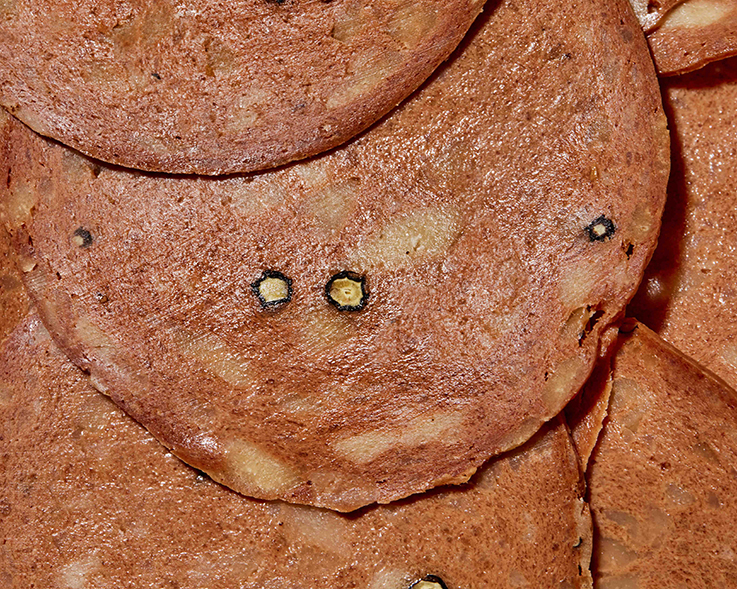
It was a standout year for Kimberlie Le in 2025. In July, her company Prime Roots launched an upgraded range of plant-based deli meats that outperformed conventional meat in taste tests, leveraging mycelium’s ability to form filamentous, fibrous networks resembling muscle tissue.
“Our fungi-based approach allows us to lead with whole foods rather than ultra-processed plant isolates. Because mycelium is microscopically similar in shape and size to animal muscle fiber, the fungi actually does 90% of the work for us,” Le says. “By applying epicurean meat-making techniques to this native structure, we can guide the various textures and mouthfeels specific to different deli cuts. This natural foundation is exactly why we consistently outperform conventional meats in blind taste tests. Coupled with the health benefits of removing nitrates, which are a known carcinogen, and the ‘meat’ being full of extremely bioavailable protein, swapping to Prime Roots is a no-brainer for meat eaters and plant-eaters alike.”

Delivering the flavor and texture consumers expect from classic deli meats in a clean-label product is not easy – even if mycelium does much of the work. Le says a considered approach, rather than rushing to market, paid dividends here. “We dedicated over five years to R&D before launching so we could perfect our products and ensure we achieved the ideal texture and taste using minimal processing,” the CEO and Co-Founder says. “By collaborating with master meat-makers and world-class chefs through countless iterations, we bridged the gap between traditional craft and plant-based innovation. Our goal was to create a 1-1 functional swap that performs perfectly for home use, deli counters and professional foodservice – ensuring no compromise on the plate or the palate.”
Formula for success
Removing nitrates, cholesterol, gluten, soy and artificial ingredients presents certain formulation challenges – especially in products such as ham and salami that traditionally rely on curing chemistry for flavor, color and preservation. What functional systems or fermentation strategies is Le using to replicate those sensory and stability attributes naturally?
“We have successfully eliminated the undesirable aspects of both traditional and plant-based meats without compromising on texture or taste,” she says. “Key highlights of our approach include the cooking process: much of the flavor development of the deli meats happens during cooking, as with conventional deli meats. We lean into the Maillard browning reaction and traditional smoking to develop the deep, savory flavors that make deli meats so craveable.” She adds that a commitment to removing nitrates is also crucial: “Removing nitrates is a massive win for public health. Unlike many companies that use ‘sneaky’ ingredients such as nitrate-laden celery salt, Prime Roots adds no nitrates whatsoever.”
Although Le believes that widespread adoption of plant-based meats depends on tackling taste, flavor, nutrition and price simultaneously, she says that in the deli space, texture has historically been the primary barrier to entry. “We took a foodservice-deli-first approach because most plant-based alternatives fail the ‘deli test’: they cannot be sliced as thin as Prime Roots for an authentic mouthfeel, and they often cannot withstand being heated. Our products are designed to function and perform under all kitchen conditions,” she explains.
Mycelium is absolutely the ‘hero’ ingredient that allows us to bypass the need for heavy processing or binders
So, is mycelium the primary enabler of the texture advances required to win over consumers? “Mycelium is absolutely the ‘hero’ ingredient that allows us to bypass the need for heavy processing or binders. Its natural, fibrous structure provides the structural integrity and ‘muscle’ required for whole-cut deli meat, which simply is not possible with standard plant-protein isolates.
“Mycelium is a whole approach and technology with a lot more development potential to create more and better products. We believe it is the ultimate solution, since it balances scale, cost and quality – which is what is needed to move the needle in the industry rapidly,” Le says.
Prime Roots is also scaling quickly. Le reports significant expansion, with production and distribution increasing across the USA, and says she is excited to be expanding into her home country, Canada. Her focus now is on what she describes as “meeting the moment.” She says: “As the backlash against ultra-processed foods grows, consumers are demanding whole-food-based proteins. Prime Roots’ fungi-based approach is uniquely positioned to meet this need for clean-label, nutrient-dense options. We have lots of products coming out this year that lean into what consumers are demanding – clean proteins powered by whole food ingredients.”

UMAMI ENGINEERING
Ole G. Mouritsen offers a unique perspective on taste. The self-confessed foodie is a research scientist and emeritus professor of gastrophysics and culinary food innovation at the University of Copenhagen in Denmark. He is also the president of the Danish Gastronomical Academy and founder and former director of the National Danish Taste Centre, Taste for Life.
In 2024, Mouritsen published Plant-Forward Cuisine: Basic Concepts and Practical Applications, which explored how replicating meaty tastes and textures could encourage more people to adopt sustainable diets. In the book, Mouritsen emphasizes the key role of umami – one of the five basic tastes – arguing that free glutamate and nucleotides are central to recreating the savory depth consumers associate with meat.

So, from a gastrophysics perspective, how can plant-based product developers systematically engineer umami into plant-forward dishes without relying on salt or heavy processing? Mouritsen says, “The most powerful way is fermentation, e.g., of legumes, to break protein down into free amino acids (such as glutamic acid). Nucleotides cannot be derived from plants (because they have no muscular tissues that can provide nucleotides), except a few ripe fruits such as tomato.” He concedes that future genetic engineering “may be able to lead to plants whose DNA and RNA might be able to lead to nucleotides.” And the scientist is adamant that plant-based food players do need to crack the umami challenge: “I think that the lack of umami in most unfermented plant foods is the major obstacle for consumers.”
Mouritsen’s book also explores the Japanese concept known as ‘koku’, a term used to describe foods that are rich, complex and lingering in taste. He explains that koku is linked to dipeptides, tripeptides and glutathione. It follows that a deeper understanding of the molecular basis of koku could help scientists design more satisfying plant-based foods. “Well, lingering time is unlikely to be prolonged,” the professor says. “But knowledge of which microorganisms or enzymes cut plant proteins into specific kokumi peptides would certainly help increase koku intensity.”
Missing links
Speaking with Mouritsen highlights a broader gap in scientific understanding of how texture and taste interact. For instance, how do structural properties – such as water-holding capacity, fibrousness or fat distribution – influence umami and koku perception to create the sustained ‘meaty’ experience many consumers seek?
“Not much is known about this except the basic fact that food matrices that retain the water-soluble umami compounds and release them on a relevant time scale in the mouth may prolong the meaty taste sensation. This is possibly also true for prolonging the meaty texture sensation,” he says.
What is known about animal-derived foods is that their richness and lingering flavor often result from fat dynamics and protein breakdown during cooking. When it comes to plant-based strategies for recreating that same continuity and mouth-coating sensation, Mouritsen points to oils. “Proteins are not broken down during regular cooking, but free amino acids and small peptides may be released from the cells. Appropriate plant fats or oils, with the right viscosity and melting profile, can lead to a mouth-covering sensation,” he explains.
I think that the lack of umami in most unfermented plant foods is the major obstacle for consumers
In a broader context, Mouritsen views plant-forward eating not just as a nutritional shift but as an environmental imperative. However, he believes momentum is currently faltering. “In Denmark, the latest surveys indicate that the green transition in eating behavior is gradually reversing. Many factors are involved. People are spending less and less time on cooking, and cooking skills are deteriorating. There is also fatigue regarding the green transition. In my own research, I am now focusing on umami sources in the sea,” he says.
Ultimately, Mouritsen is not convinced that a new generation of plant-based meats is the answer, no matter how effectively they mimic their conventional counterparts. “I think this is the big mistake made by companies whose mission is to turn plants into something else that looks like meat. Instead, we must learn to eat plants – vegetables and legumes – with seasonings and condiments that supply umami, or we must ferment the plants. It is a matter of public taste education and regaining elementary knowledge about home cooking.”
He acknowledges that this perspective offers limited commercial opportunity for the food industry. “This is a task for families, communities, governments and educational institutions on all levels, from kindergarten onward.”
STRUCTURAL INTEGRITY
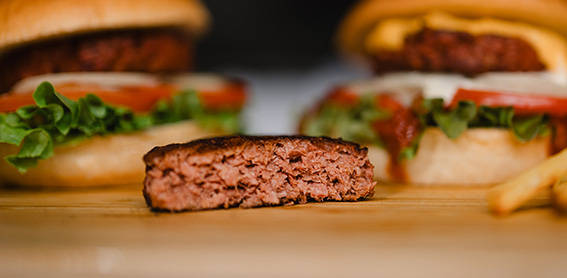
For Christian Zacherl at Germany’s Fraunhofer Institute for Process Engineering and Packaging (IVV), creating fibrous, meat-like textures from proteins such as pea, lupin, wheat and beans is not only possible; it is essential to delivering plant-based products that consumers will repeatedly buy.
To this end, Fraunhofer IVV has developed a novel extrusion technology designed to produce meat-mimicking fibers. Detailing the processing parameters involved, Zacherl says, “The formation of a true, muscle-like, fibrous structure in high-moisture extrusion depends on precisely balancing moisture, shear and temperature, and then cooling the mixture under pressure in a controlled manner. Typically, moisture levels of around 55-70% are required to plasticize the protein matrix and enable alignment; insufficient or excessive water, however, leads to porous or weak structures.”

Zacherl points out that adequate shear and thermal input are essential to “unfold proteins, promote intermolecular interactions and orient aggregates along the flow direction, all without degrading the network.” He adds, “Finally, a well-designed cooling die stabilizes the aligned domains under pressure, fixing the anisotropic structure and preventing it from collapsing into a spongy texture.”
In his work as Business Development Manager, Food, Zacherl emphasizes to potential customers the importance of developing ‘sensory-neutral’ ingredients suitable for clean-label products. So, how do Fraunhofer IVV’s extraction methods help minimize off-flavors and bitterness while preserving the functional properties needed for elasticity, juiciness and bite?
“From a process engineering perspective, minimizing off-flavors and bitterness begins with the careful selection of raw materials and the use of efficient de-oiling technology, since residual lipids and secondary compounds present in the raw materials are major contributors to unwanted flavors,” Zacherl says. “Mild aqueous extraction under controlled pH and temperature conditions helps to prevent excessive denaturation and limits the co-extraction of bitter, low-molecular-weight substances. Selective fractionation and membrane-based purification then remove flavor-active components such as phenolics or saponins, while retaining the functional protein fractions. Meanwhile, gentle processing preserves protein structure, maintaining elasticity, water-binding capacity, juiciness and bite in clean-label applications.”
Joined-up thinking
Fraunhofer IVV combines advanced analytical tools with an in-house sensory panel, enabling a holistic approach to correlating measurable physicochemical properties – such as water-binding capacity, protein solubility or fiber length – with perceived attributes such as tenderness, chewiness and succulence. Zacherl explains, “We establish correlations by systematically linking instrumental measurements with structured sensory profiling via multivariate statistical analysis. Parameters such as water-binding capacity and protein solubility are directly associated with perceived juiciness and tenderness, while texture analysis, rheology and measured fiber length help predict chewiness and bite. By generating integrated datasets from analytical tools and trained panel evaluations, we can identify threshold values and functional ranges that consistently correspond to specific sensory attributes. This data-driven approach allows us to refine formulations and processing conditions to achieve consistent texture and mouthfeel profiles.”
Typically, moisture levels of around 55-70% are required to plasticize the protein matrix and enable alignment
Fraunhofer IVV’s system-wide thinking also extends to tackling the textural degradation that many plant-based meats experience during storage. “We evaluate structural stability during storage by combining accelerated shelf-life testing with texture profile analysis, rheological measurements, water activity monitoring and microstructural imaging. This allows changes in fiber integrity and moisture distribution to be detected over time. These instrumental data are continuously correlated with sensory panel assessments to identify early signs of dryness, rubberiness or loss of succulence,” Zacherl says.
Based on these insights, formulation parameters such as protein crosslinking density, fat distribution and water-binding systems are optimized to stabilize the anisotropic network and prevent moisture migration. Zacherl adds, “Packaging solutions play a critical role in controlling oxygen exposure and moisture exchange through modified atmosphere packaging, high-barrier materials or tailored headspace conditions, thereby preserving texture, juiciness and the intended eating experience throughout the product’s shelf life.”
This holistic approach is proving popular. Zacherl reports a flurry of new industry collaborations and pilot-scale projects with alternative protein companies aiming to commercialize next-generation ingredients and plant-based products. “The response to our efforts from the food industry has been very strong, particularly regarding our technical support in process optimization, scale-up trials, analytics and the application of functional proteins into stable, market-ready meat and dairy alternatives. Several partners are using our expertise in extrusion, ingredient functionality and sensory optimization to accelerate product development cycles and improve texture stability and clean-label positioning,” he says.
Looking ahead, Zacherl highlights the next textural frontier: “We recently launched a new project in the field of fiber spinning technology, which represents a promising complement to wet texturization by enabling the production of highly defined, continuous protein fibers with tailored structural properties.”
SENSORY SCIENCE SUCCESS
“Consumer research continues to show taste and texture as primary pain points that need to be addressed for this category to appeal to the omnivore consumer,” begins Karen Emerson from ICL Food Specialties. She adds, “Cost is also a hurdle; for the plant-based meat category to grow, it needs to reach price parity with meat. In contrast, nutritional optimization is a way to differentiate plant-based products on the basis of lower saturated fat and higher fiber levels than meat for the health-conscious consumer.”
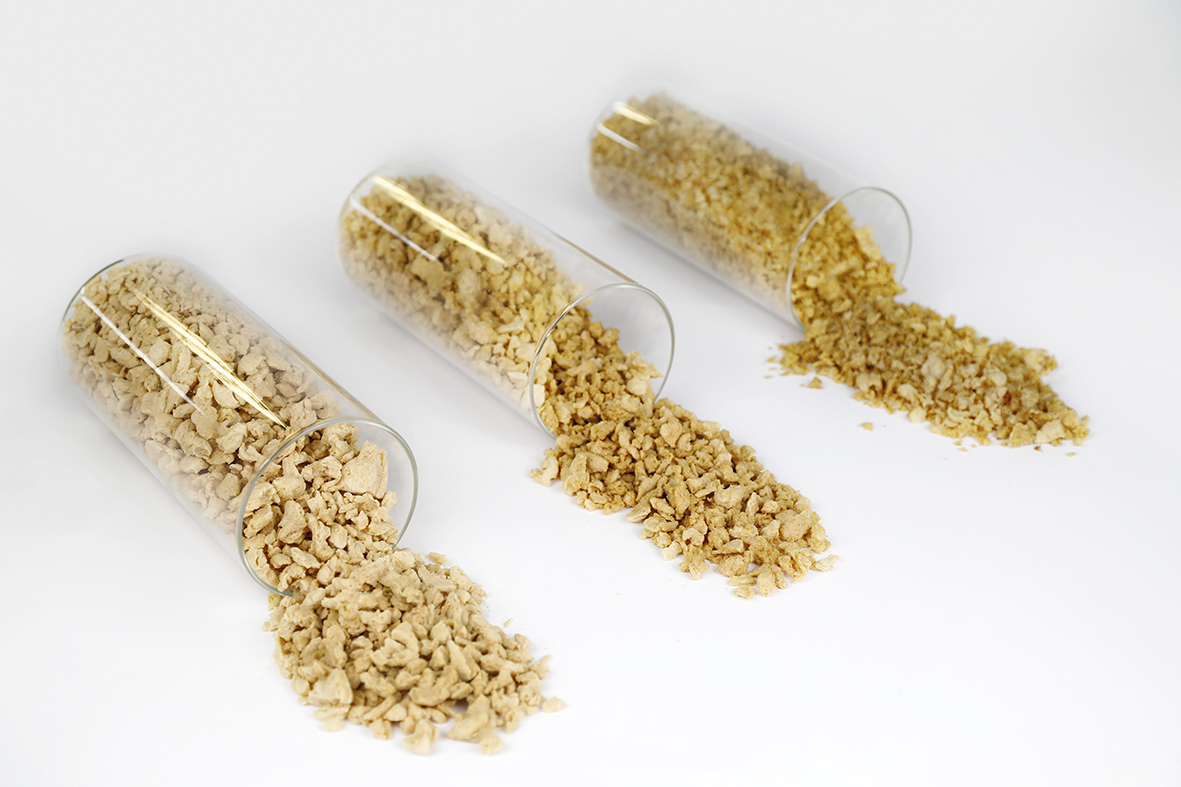
This differentiation is where ICL Food Specialties is concentrating its efforts. In December 2025, it debuted Rovitaris SprouTx, a textured soy protein that lacks the beany taste usually associated with soy-based products. Explaining the germination technology used, Emerson says, “Off-notes in soy are caused by the presence of volatile compounds due to the oxidation of fatty acids. The proprietary germination we use reduces the levels of these volatile compounds and thereby significantly reduces off-flavors compared with textured proteins on the market. Benefits also include an optimized amino acid profile with increased levels of glutamic acid, which imparts a natural savory note. These unique taste benefits are seen in application, as demonstrated by blind sensory tests that showed enhanced meaty and umami notes, as well as less aftertaste and bitterness with products made from SprouTx versus other proteins.”

One such product was a blended beef and soy meatball that ICL Food Specialties showcased at an industry event. Commenting on this application, Emerson says: “The hybrid or blended category is an exciting emerging space, appealing to consumers who want to reduce their meat consumption and improve their carbon footprint. Many of these consumers have previously tried vegan or vegetarian products but have been disappointed and did not repeat purchase. With the hybrid space, a flexitarian can eat sustainably, meet their protein goals while reducing their saturated fat intake, all without compromising on taste or texture.”
So how is SprouTx an enabler here? “It has a unique microstructure that gives it superior water- and oil-holding capacity compared with other textured proteins, which imparts succulence and juiciness – key drivers in consumer preference,” Emerson says.
Squid game
ICL has also been showcasing another of its protein ingredients, Rovitaris HS 1003, combined with one of the company’s flavorings to create a plant-based calamari prototype. “Imitating the unique bite and resistance of calamari was the main formulation challenge for this concept,” Emerson says. “Calamari was a fun application project where nutritional optimization was not the primary goal. It falls under the scope of ‘permissible indulgence’ – an eating occasion that is relatively infrequent for most consumers – so it needed to deliver on taste and texture. Our R&D experts trialed a number of different protein sources and functional ingredients to deliver an optimal solution that can be scaled easily by meat, plant-based or seafood producers.”
Another advance from ICL shows how taste and texture can be addressed through a more gentle approach, using marinades designed to adhere to food rather than drip off. Emerson explains: “The main benefit of our Smart Marinades technology is improved adhesion of the marinade to the product throughout the production process and on shelf. With this, producers gain cost benefits, improved yield, cleaner production areas, and improved appearance of marinated food in-pack, without any compromise to flavor or texture delivery.”
Following on from this progress, Emerson says ICL has a number of innovation projects in the pipeline for 2026 and beyond, including another texture-focused advance. “Methylcellulose has been widely used as a stabilizer in the food industry and as a thickener to mimic a meat-like texture. But the trend now is to look for clean-label alternatives. Our solution for methylcellulose replacement – in partnership with start-up Plantible – has already launched in the USA and is undergoing novel food approval in Europe, so watch this space for our next announcement!”
If you have any questions or would like to get in touch with us, please email info@futureofproteinproduction.com

More Features

Protein Pioneer: Justin Kolbeck

Deep Dive: Breakout bets

Feeding change

Protein Pioneer: Kesha Stickland


