

Plantible secures FDA ‘no questions’ letter for Rubi Protein, marking first RuBisCO approval

Plantible Foods has received a “No Questions” letter from the US Food and Drug Administration in response to its Generally Recognized as Safe notice for Rubi Protein, the company’s flagship Lemna-derived ingredient, marking a regulatory milestone for the San Diego-based business.
• The FDA issued a 'no questions' letter in response to Plantible’s GRAS Notice (GRN 001256) for Rubi Protein under its intended conditions of use.
• Plantible became the first company to receive FDA acknowledgment for the use of isolated RuBisCO protein in food applications.
• The company confirmed it planned to expand production capacity at its Eldorado, Texas facility following completion of the regulatory review.
The FDA’s response affirmed Plantible’s conclusion that Rubi Protein is Generally Recognized as Safe under its intended conditions of use. With the regulatory review complete, the company reported that it was accelerating production capacity to meet growing demand across food and beverage categories.
Tony Martens, Founder and CEO of Plantible, described the development as a defining step for the company and the broader ingredient category. “This is more than a regulatory milestone. It’s an industry-defining moment,” he said. “The FDA’s review reinforces the scientific rigor behind Rubi Protein and clears the way for broader commercial applications. We are proud to be the first company to receive a ‘No Questions’ letter for RuBisCO protein, opening the door for a new class of functional, sustainable ingredients.”
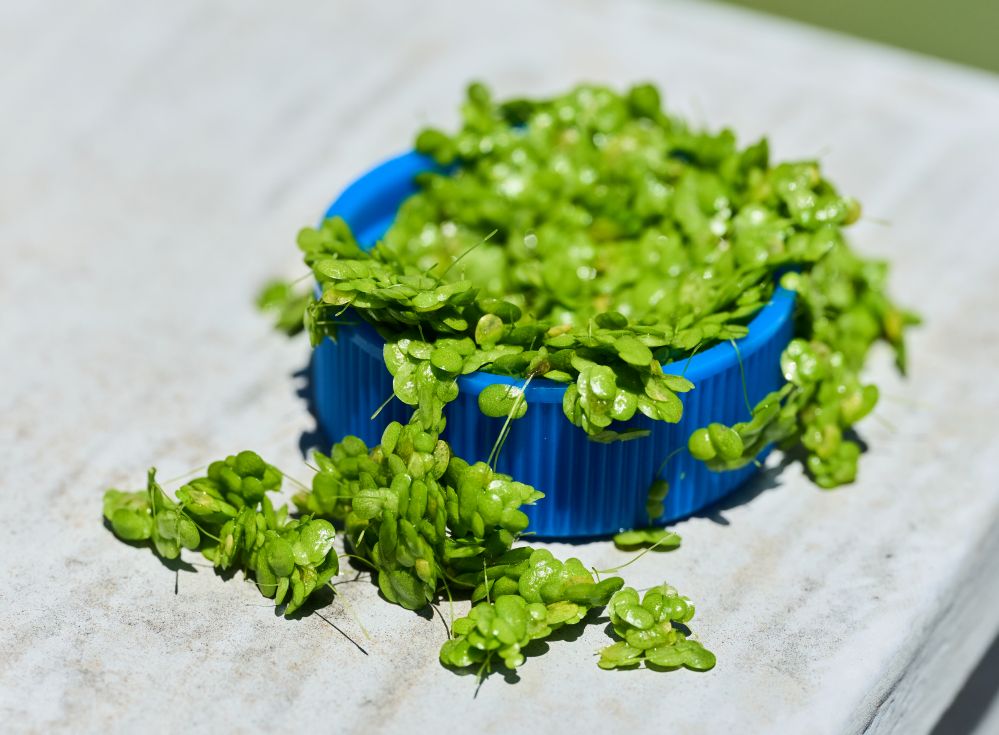
Rubi Protein is derived from water lentils, also known as Lemna, which are grown in enclosed commercial greenhouses and processed at Plantible’s facility in Eldorado, Texas. The ingredient contains approximately 85% protein by weight and is primarily composed of RuBisCO, the enzyme responsible for photosynthesis in green plants and described as the most abundant protein in nature.

Plantible stated that, unlike many plant proteins, Rubi Protein offers a neutral taste profile, high solubility, and emulsification and foaming functionality. The company indicated that these characteristics allow manufacturers to improve product functionality, sustainability, and cost profiles without compromising taste or texture.
The regulatory clearance is expected to support adoption in a wide range of applications, including baked goods, beverages, dairy alternatives, protein bars, snacks, soups, and plant-based meat and dairy analogs.
Plantible opened its first commercial production facility in Eldorado last year, marking its transition from research and development to full-scale manufacturing. With the FDA review complete, the company confirmed that it planned to expand capacity over the coming year to support existing customer partnerships and new commercial opportunities.
“The completion of the FDA review validates years of investment in safety, transparency, and scientific diligence,” Martens said. “As global demand for stable, sustainable, and clean-label proteins continues to rise, Rubi Protein provides manufacturers with a highly functional ingredient that is both nutritionally robust and environmentally efficient.”
The FDA completed its review of GRAS Notice GRN 001256 and issued a 'no questions' letter regarding Plantible’s conclusion that Rubi Protein is GRAS under its intended conditions of use. According to the company, the FDA’s response letter will be made publicly available in the agency’s GRAS Notice Inventory in accordance with federal regulations.
Founded by Dutch entrepreneurs Tony Martens and Maurits van de Ven, Plantible Foods focuses on plant-derived functional ingredients intended to support food system transformation. In addition to Rubi Protein, the company recently launched Lemna Leaf Greens, a greens ingredient containing complete protein, fiber, and micronutrients.
Martens is also scheduled to speak at The Future of Protein Production Chicago on 24-25 February at McCormick Place, where he will discuss Rubi Protein’s commercialization pathway and the broader role of functional plant proteins in scaling sustainable food systems.

Join Us At One Of Our Upcoming Events

If you have any questions or would like to get in touch with us, please email info@futureofproteinproduction.com


