


Ones to Watch: Fungi at full scale
26 FOOD TECHS TO WATCH IN 2026
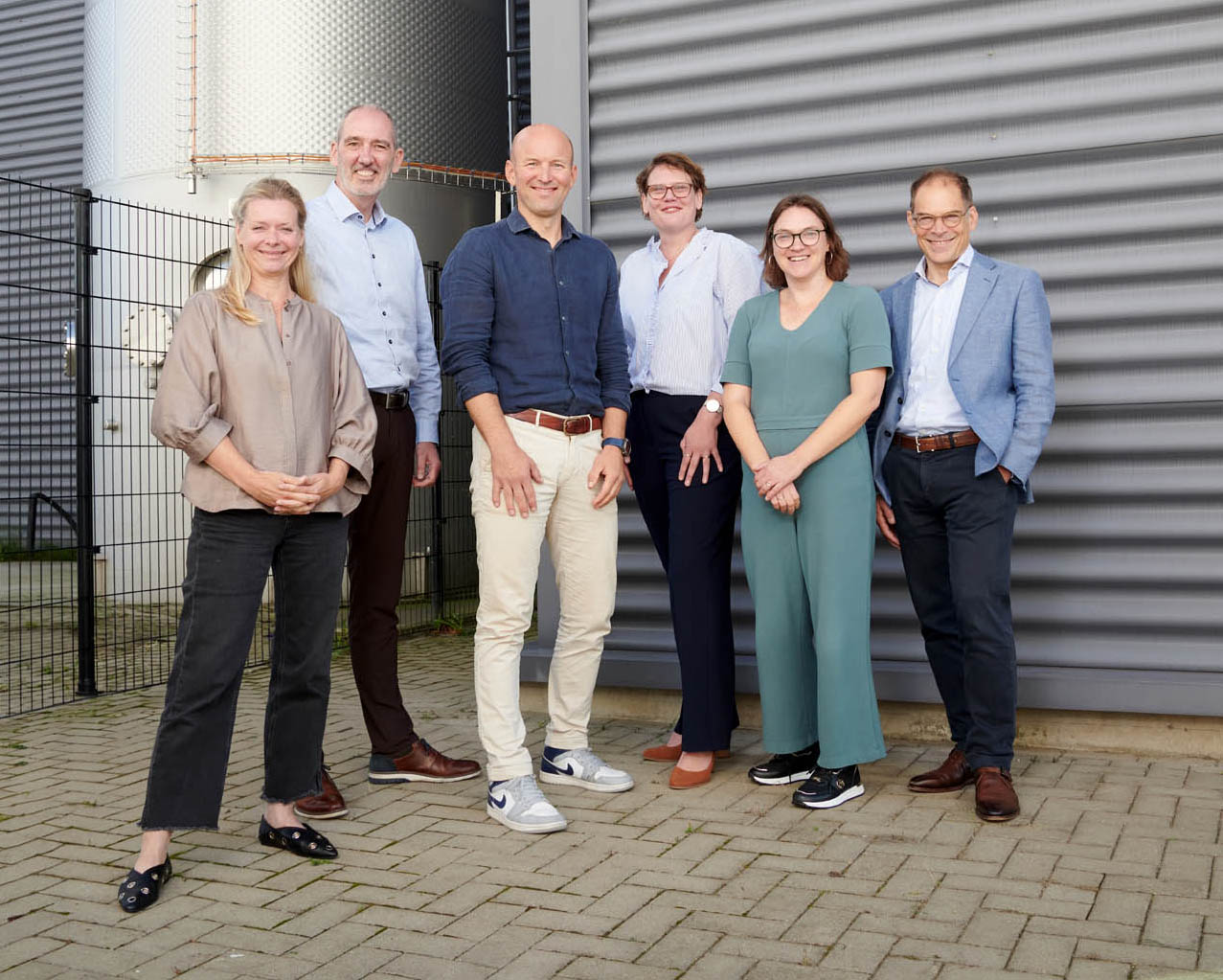
Thijs Bosch is taking The Protein Brewery’s Fermotein from fermentation tanks to the center of healthier, nutrient-dense food formulation
When the European Food Safety Authority (EFSA) published its positive opinion on Fermotein in December 2025, it did more than clear a regulatory hurdle. It signaled that Europe’s novel food system was ready to recognize fungal biomass as a legitimate part of the continent’s protein future. For The Protein Brewery and CEO, Thijs Bosch, it marked the moment a long-running technical and regulatory effort began to resemble a scalable platform.
Based in Breda in the south of the Netherlands, the company is built on the idea that fermentation-derived mycoprotein can deliver high-quality nutrition with a fraction of the environmental footprint associated with animal-based ingredients. Fermotein, the company’s flagship product, is designed as a B2B ingredient that disappears into recipes while quietly reshaping their nutritional and sustainability profile. “The Protein Brewery sees tremendous potential to enhance the nutritional landscape of everyday food and drink choices for the busy and aging European population,” Bosch begins. Ultimately, he and his team see Fermotein as a way to enrich familiar foods with more protein, more fiber, and bioactives linked to cellular health – without asking consumers to change what they already eat.
A whole-food ingredient built for scale
Fermotein is positioned as a whole-food biomass derived from mycelium, the root-like structure of fungi. Produced through fermentation, it delivers complete protein, dietary fiber, vitamins, minerals and a set of bioactive compounds that are drawing increasing interest from nutrition scientists and formulators.
“The ingredient we make isn’t just a protein or just a fiber – it’s both,” Bosch adds. That duality underpins the product’s functional appeal. With roughly 50% complete protein and around 30% fiber, Fermotein could support satiety, muscle maintenance and digestive health. Early work suggests prebiotic potential in the fiber fraction, while the presence of spermidine links the ingredient to emerging research on cellular health and healthy aging.
This combination places Fermotein at the intersection of alternative protein, active nutrition and longevity. Internally, the team is even exploring how the ingredient
could support GLP-1-adjacent product concepts, where high-protein, high-fiber formulations help consumers manage appetite and portion size.
Sensory neutrality is another part of the strategy. Unlike many plant-based proteins, Fermotein has little inherent taste or aroma, allowing it to integrate into formulations without altering flavor profiles. Indeed, it is already being tested in meal replacements, ready-to-mix nutrition, bakery products and snacks.
For Bosch, sustainability has become table stakes rather than a differentiator. “Producing with very limited CO₂ output, low water use and minimal land use is simply the way forward,” he says. What will separate ingredients in the next phase, he argues, is nutrient density, bioactive value and consistent functionality at scale.
Proving that those qualities can be delivered reliably, and in volume, has been the company’s central challenge.
From pilot plant to industrial reality
Reaching that point required sustained capital and patience. Years of pilot-scale development culminated in the commissioning of the Mijkenbroek demonstration
plant in Breda in August 2023. The facility now operates 90m³ fermenters and has capacity to produce between 500 and 600 tons of Fermotein annually, marking the company’s transition from experimental production to commercially relevant scale.
“The previous fundraise enabled the company to move from pilot scale to becoming a true scale-up,” Bosch says. “It changed how customers, partners, and investors engage with us – Fermotein is no longer seen as a promising concept, but as a credible ingredient platform with real industrial output.”
A defining technical choice sits beneath that progress. The underlying fungal strain is an extremophile capable of thriving at low pH and elevated temperatures. While that made early process development more complex, it ultimately unlocked a more favorable cost structure. The organism can be fermented under non-sterile conditions, lowering capital expenditure and simplifying operations compared with more sensitive fermentation systems. “It really comes down to the fungal strain the founding team chose,” Bosch says.
Those decisions are now backed by significant financing. In September 2025, the company closed a €30 million (US$32 million) Series B round led by Invest-NL and Brabant Development Agency, alongside existing investors Novo Holdings, Unovis and Madeli. The capital supports a clear 2026 agenda: further scale-up, expanded commercial activity in the USA and Singapore, and full-force commercialization in the EU as regulatory approvals advance.
The ingredient we make isn’t just a protein or just a fiber – it’s both, supporting satiety, muscle maintenance and digestive health
Health as the new differentiator
Fermotein’s whole-food profile positions The Protein Brewery across several converging shifts in nutrition. Consumers are increasingly seeking nutrient-dense, minimally processed foods, while active nutrition is expanding beyond sports into healthy aging, brain health and metabolic resilience. At the same time, the rise of GLP-1 therapies is reshaping weight-management conversations and increasing demand for products that deliver satiety and nutritional value in smaller portions, without sacrificing protein quality or functionality.
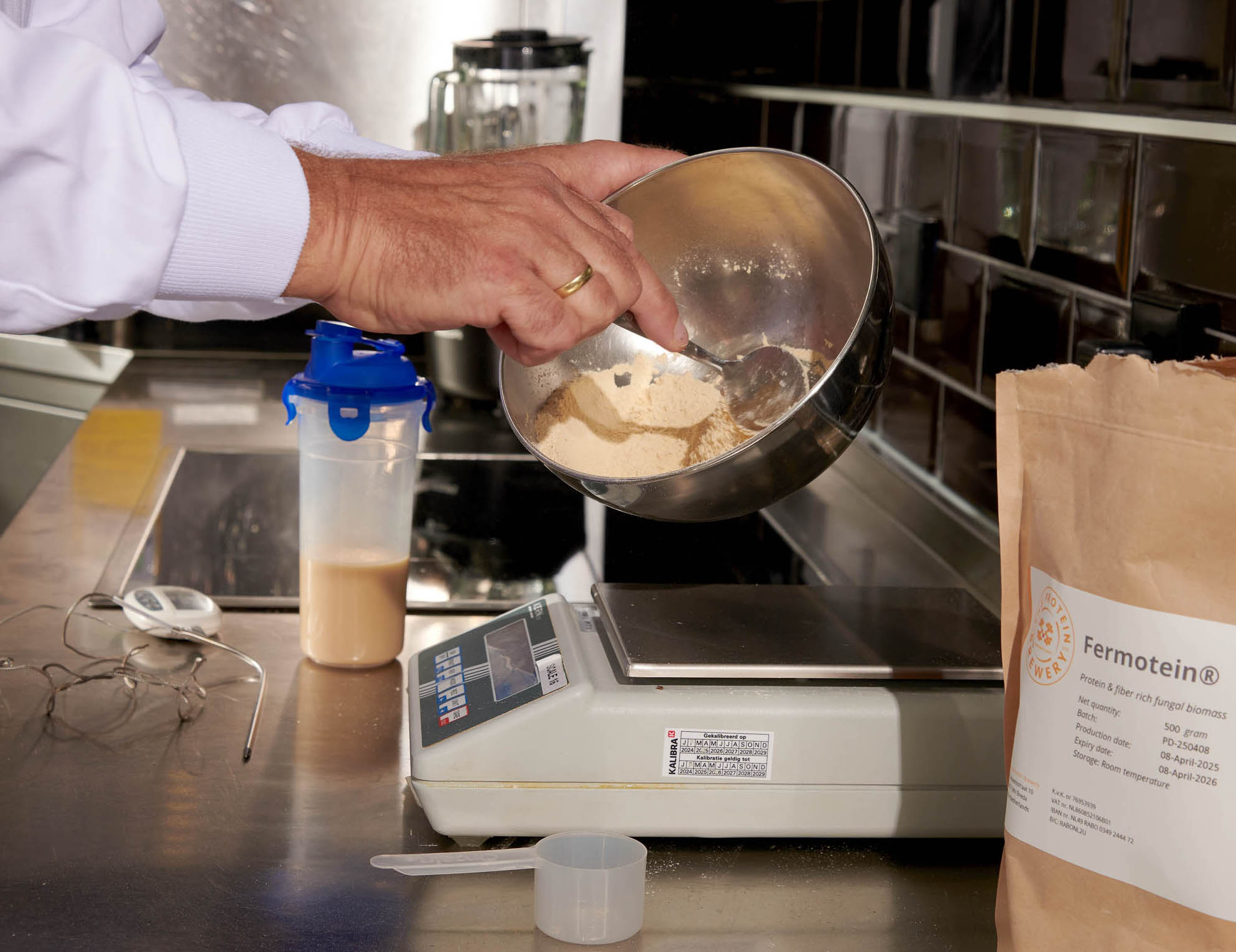
Internal research points to Fermotein’s relevance in that context. Bosch cites early indications of satiety effects, potential prebiotic activity in the fiber fraction, and bioactives associated with cellular health. Combined with a PDCAAS of 1, the ingredient can also support muscle maintenance and recovery across a range of applications.
The company’s ambition extends beyond meat analogs. The goal is to establish Fermotein as a macro ingredient across active nutrition, dairy alternatives, and better-for-you bakery and snacks.
Consumer perception remains a variable. Some consumers associate fungi with the health halo of mushrooms, while others still link it to spoilage or decay. Bosch believes experience will matter more than explanation. Over time, consistent taste, reliable functionality, and visible health benefits are expected to do most of the persuasion.
Regulation as gatekeeper
Even with a compelling ingredient, the order in which markets open is largely dictated by regulation. The Protein Brewery secured self-affirmed GRAS status in the USA
in 2021 and regulatory clearance in Singapore in 2024. EFSA’s positive opinion in December 2025 represented the most complex and lengthy process so far. Dr Yvonne Dommels, Director of Nutrition & Regulatory Affairs, called it “the first-ever fungal biomass to go through the novel food system” and emphasized the impact beyond a single company. She also acknowledged the demands of the process, noting that it took longer than anticipated but ultimately validated the safety package around Fermotein.
Bosch is pragmatic about the burden. His prior experience in corporate venture investing taught him how novel food dossiers were often seen as a red flag by potential investors. Yet he believes the payoff is worth it. Fermotein is now on track to become Europe’s first approved fungal biomass novel food, with authorization and inclusion in the EU Union list expected to follow EFSA’s opinion.
The UK novel food process and a “no further questions” letter from the FDA are now the next regulatory objectives. Success across these jurisdictions would give the company largely global freedom to operate.
Building toward true protein transition
Looking five to 10 years ahead, Bosch frames the company’s ambitions around infrastructure rather than hype cycles. The Protein Brewery expects its first plant to be operating at full capacity, 24/7, while laying the groundwork for a second, larger facility. That next site is likely to be co-located with a feedstock supplier to secure long-term cost efficiency and sustainability advantages.
From there, the vision is geographic and commercial expansion: Fermotein supplied into all major markets, with sustained double-digit growth across active nutrition, dairy alternatives, and better-for-you bakery and snack categories.
Bosch, though, is realistic about the pressures ahead. Not every alternative protein company will survive. To endure, he argues, they need clear differentiation, cost parity and the ability to convince both customers and consumers at scale. His focus is on sharpening the value proposition and identifying the niches where Fermotein is “truly unbeatable”, then building out from there with discipline.
In the end, the goal is impact at scale. “We’re very ambitious – and we have to be,” Bosch concludes. “The only way to make a real impact on the global food system is to do this at scale.”
If you have any questions or would like to get in touch with us, please email info@futureofproteinproduction.com

More Features

Protein Pioneer: Justin Kolbeck

Deep Dive: Breakout bets

Feeding change

Protein Pioneer: Kesha Stickland


