
Ones to Watch: Fat by design
26 FOOD TECHS TO WATCH IN 2026
How Melt&Marble’s Anastasia Krivoruchko is engineering next generation fats for taste, health and sustainability
The next wave of alternative proteins will be driven less by new plant proteins and more by fat. Across food and personal care, ingredients shaping performance, sensory experience, and nutrition are shifting away from coconut and palm oil toward more controlled alternatives. Melt&Marble is one company signaling this shift. As Co-founder & CEO Anastasia Krivoruchko says, “Melt&Marble is dedicated to enabling a healthier and more sustainable future by revolutionizing the production of fats.”
The shift begins with a simple truth: fat determines whether alternative meat and dairy succeed, shaping juiciness, melt, creaminess, and flavor release. Yet the industry still relies on fats limited in functionality, tied to volatile supply chains and often linked to deforestation. “We’re solving the fat problem in the food system,” continues Krivoruchko. “Today’s fats, whether from livestock or plant sources, are limited in function, sustainability, supply stability, and nutrition.”
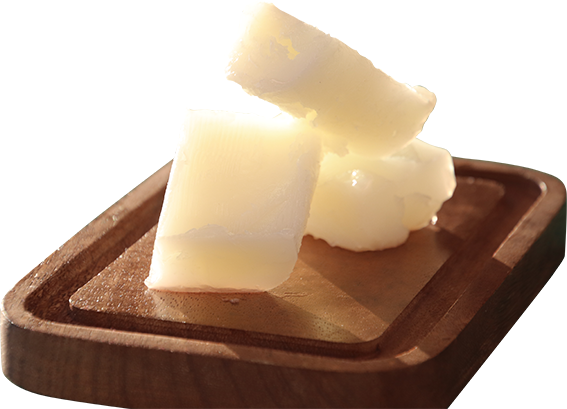
Precision-fermented fats represent a break from that model. “Our core innovation is that we don’t just produce fats, we design them,” Krivoruchko says. By engineering microbes to build specific fatty acid profiles, the team can tune melting behavior, sensory performance, and nutritional outcomes with precision.
Designing fat, not just extracting it
That capability is increasingly relevant as the market moves beyond imitation. More alt-protein companies are shifting from replicating animal products to simply making food that tastes good. Fat becomes a tool for better eating experiences, not just familiarity, and an enabler of functional nutrition. Fats with lower saturation and beneficial bioactive fatty acids align with demand for metabolic, cardiovascular, and gut-health benefits. Melt&Marble’s first product contains about 50% less saturated fat than coconut oil and shows strong potential for reduced environmental impact, including lower land use and biodiversity pressure.
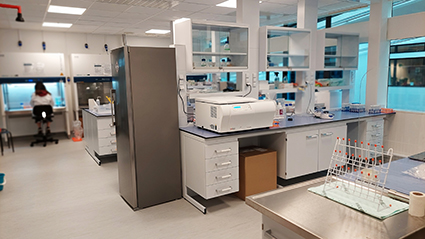
The ability to design fats this way comes from a platform 15 years in the making. Melt&Marble’s founders began engineering lipids in 2010, before precision fermentation became a category. The platform combines yeast and enzyme libraries, synthetic biology tools, and advanced analytics to enable predictable, scalable fat design. These capabilities are now translating into commercial momentum. In 2025, the company launched a joint development project with Valio, improved bioprocess performance, and advanced key regulatory work for market entry.
Looking ahead to 2026, Melt&Marble is preparing to launch its first product and expand beyond alt meat. Bakery, confectionery, alternative dairy, and personal care offer routes where performance matters as much as sustainability. Krivoruchko says the shift was revealing: while some meat analog customers exited the market, the product’s versatility opened new opportunities. “Our first product has unique functionalities beyond meat analogs,” she says, allowing the company to broaden applications while maintaining focus.
Longer term, fats are becoming programmable. Krivoruchko envisions designer fats integrated across global markets and product categories, delivering better taste, improved nutrition, and measurable environmental benefits. “What inspires us most right now is progress,” she says. “Every time we test our fats in a new application and see them outperform expectations, it sparks new ideas and new possibilities.”
If you have any questions or would like to get in touch with us, please email info@futureofproteinproduction.com

More Features

Protein Pioneer: Justin Kolbeck

Deep Dive: Breakout bets

Feeding change

Protein Pioneer: Kesha Stickland


