Your guide to The Future of Protein Production Amsterdam 2026 exhibition

From industrial fermentation and protein recovery to cultivated meat, new ingredients and food regulation, discover the companies and technologies on show at RAI Amsterdam this November
The Future of Protein Production Amsterdam returns to RAI Amsterdam on November 4-5, 2026, with the exhibition now 95% sold out and just three spaces remaining.
For visitors, that means two days to meet the companies developing the equipment, ingredients and technologies needed to take sustainable proteins from research into commercial production. The exhibition brings together established engineering businesses, specialist technology suppliers, ingredient developers, research institutions and startups, with expertise covering almost every stage of the production process.
Entry to the exhibition is free, giving food manufacturers, scientists, product developers, investors and entrepreneurs access to the companies working on some of the industry's most pressing technical and commercial challenges.
The Startup Innovation Zone will feature 16 emerging businesses, including developers of cultivated meat, microbial proteins, specialty fats and AI-assisted formulation technologies. Rather than separating those companies from the established exhibitors, we've organized this guide around the challenges they are helping to address.
Whether you're looking for a manufacturing partner, comparing bioreactor technologies, investigating a new ingredient or trying to understand the regulatory requirements for a novel food, there's plenty worth exploring across the exhibition floor.
From laboratory process to industrial production
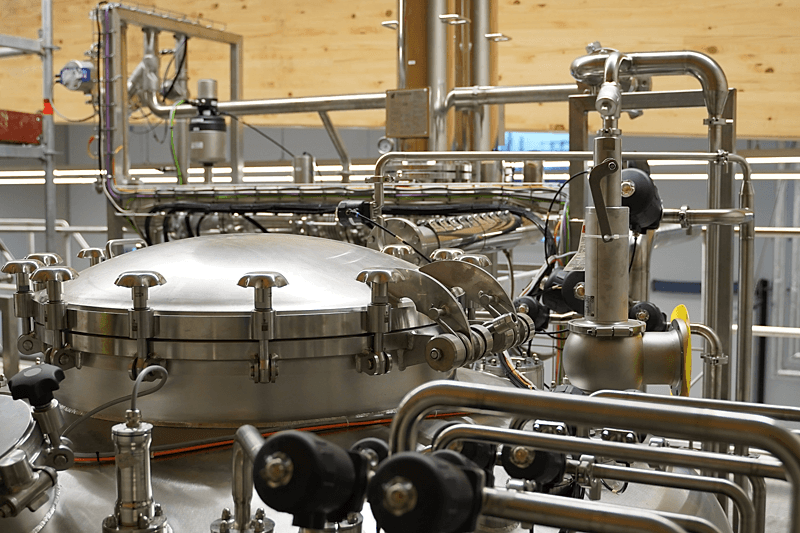
A fermentation process can perform beautifully at laboratory scale and become a very different proposition once the vessel reaches industrial dimensions. Oxygen transfer, heat removal, mixing, sterility and downstream recovery all become harder to manage, while energy consumption and capital expenditure start to determine whether the process makes commercial sense.
Annika Schmidt, Head of the Applications Group at EKATO, encounters those questions when customers arrive with processes developed in small reactors and ask how they might operate at 50, 500 or even 1,000m³. Oxygen transfer is often one of the most important scale-up considerations, but achieving it cannot be considered independently of agitation power, gas distribution, cooling and the mechanical constraints of a very large vessel.
At RISE, Björn Alriksson sees another difficulty: some problems only become visible once a process reaches an industrially relevant scale. A strain that grows rapidly in a small experiment may prove difficult to cool, keep sufficiently sterile or recover efficiently when production volumes increase.
Even where the engineering is achievable, there is the question of who should own the equipment. Cibus Nexum Co-founder Arjen van der Wijk is seeing more companies consider contract manufacturing and licensing before they commit capital to their own facilities.
These exhibitors address different parts of the same commercial problem: how to make a process repeatable, productive and economically credible outside the laboratory.
EKATO | Stand 40
EKATO specializes in industrial agitation and mixing systems, with particular expertise in the engineering challenges of large-scale fermentation. Its work covers oxygen transfer, gas dispersion, heat removal, mixing time, shear and energy consumption, all of which become increasingly difficult to balance as vessels grow. Head of Applications Annika Schmidt argues that developers should investigate how their biology responds to changing hydrodynamic conditions before fixing a commercial design. EKATO uses testing, process analysis and mechanical modeling to evaluate equipment configurations, including for vessels extending into hundreds of cubic meters. Visitors can discuss how laboratory assumptions translate into industrial agitator specifications and which scale-up parameters deserve closer scrutiny.
Bühler | Stand 42
Bühler brings industrial food-processing and bioprocessing expertise to the exhibition, covering technologies used to develop, manufacture and scale new protein ingredients and products. Its equipment portfolio includes extrusion, milling and other food-processing operations, while its work in biotechnology extends to fermentation and associated production systems. Bühler has also been active in discussions about the difficulties of moving from pilot-scale success to commercial production, including the importance of using existing industrial knowledge and infrastructure. As the exhibition's Workshop Sponsor, it offers visitors an opportunity to explore both the technical and commercial considerations involved in establishing production at meaningful volumes.
GEA | Stand 31
GEA supplies industrial processing equipment across fermentation, cell cultivation, separation, heat treatment and downstream operations. Its technologies cover multiple stages of production, from bioreactors and process systems to centrifugation and other equipment needed to recover usable ingredients. The company has been expanding its biotechnology capabilities, including through a new technology center in Sarstedt, Germany, and its involvement in fermentation infrastructure at NIZO. For developers moving toward industrial production, GEA offers expertise in integrating equipment and processes rather than treating each manufacturing operation separately. Visitors can discuss how production systems can be designed for reliability, hygiene, efficiency and future expansion.
Cibus Nexum | Stand 32
Cibus Nexum helps food companies move from pilot production toward commercial manufacturing without assuming that every business needs its own factory. Its FoodFlow Method covers production requirements, manufacturer selection, industrial trials, quality, economics and launch preparation. Co-founder Arjen van der Wijk encourages developers to establish their intended business model early, whether that involves licensing technology, selling ingredients or manufacturing finished products. The company has worked with plant-based food manufacturer La Vie on developing additional production capacity while protecting important process knowledge. Visitors can explore contract manufacturing, CDMO partnerships, licensing and the practicalities of using existing food-production infrastructure.
RISE Processum | Stand 25
RISE Research Institutes of Sweden provides process-development and scale-up infrastructure for companies working with fermentation and other biobased technologies. Its capabilities extend from laboratory development through 100L, 1,000L and 10,000L fermentation, supported by filtration, centrifugation, drying, formulation and analytical work. Björn Alriksson, Research & Business Development Manager, emphasizes the importance of testing organisms and processes progressively rather than assuming laboratory performance will survive at larger scale. RISE also coordinates European research projects including PLANTOMYC, which combines plant proteins with mycelial biomass, and DELICIOUS, which investigates products including plant-based cheese, kefir and fermentation-derived fats.
NIZO | Stand 27
NIZO provides food and biotechnology research, process development and pilot-scale capabilities, helping companies investigate how ingredients and production technologies behave under realistic manufacturing conditions. Its expertise spans fermentation, protein functionality, food safety, processing and scale-up. Recent activity includes participation in ECOFERM, a Dutch consortium exploring continuous fermentation with in-situ biomass retention, as well as biotechnology infrastructure development. NIZO is also collaborating with Cibus Nexum on a workshop examining the technical and commercial journey from laboratory innovation to industrial production. Visitors can discuss experimental development, pilot trials, process optimization and the evidence needed before committing to larger-scale manufacturing.
Eppendorf | Stand 22
Eppendorf supplies laboratory equipment and bioprocess systems used across biological research and process development. Its portfolio includes bioreactors, fermentation equipment, liquid-handling technologies, centrifugation and laboratory instruments supporting the transition from early experimentation toward larger production processes. For food-tech developers, that work is relevant to establishing reproducible culture conditions, comparing strains, collecting process data and developing reliable operating procedures before pilot-scale trials. Visitors can explore laboratory and benchtop bioprocessing systems, the practical requirements of experimental consistency and how early process-development decisions influence subsequent scale-up.
SPX FLOW | Stand 33
SPX FLOW supplies industrial processing technologies used across food, beverage and other manufacturing industries, including mixing, heat transfer and related production operations. Such equipment becomes important when manufacturers need to maintain consistent product quality while handling larger volumes, different viscosities and increasingly demanding operating conditions. Its presence provides an opportunity to discuss industrial mixing and processing requirements for new ingredients and food formulations, particularly where conventional manufacturing equipment may offer a route to commercial production.
Fermentation inputs and process intelligence
What happens inside a bioreactor depends on much more than the organism selected to produce the protein. Media composition, raw-material consistency, oxygen supply, feeding strategy and process control all influence yield and productivity. Small variations that appear manageable during development can become expensive when repeated across thousands of liters.
Gerlis von Haugwitz, Product Manager Fermentation at FermBase by CREMER, points to a problem that can be easy to overlook. Two raw materials may have identical chemical descriptions but contain different impurities, with consequences for growth, metabolism and product yield. Availability can be just as important. A material ordered by the kilogram for laboratory work may be difficult to obtain consistently by the ton.
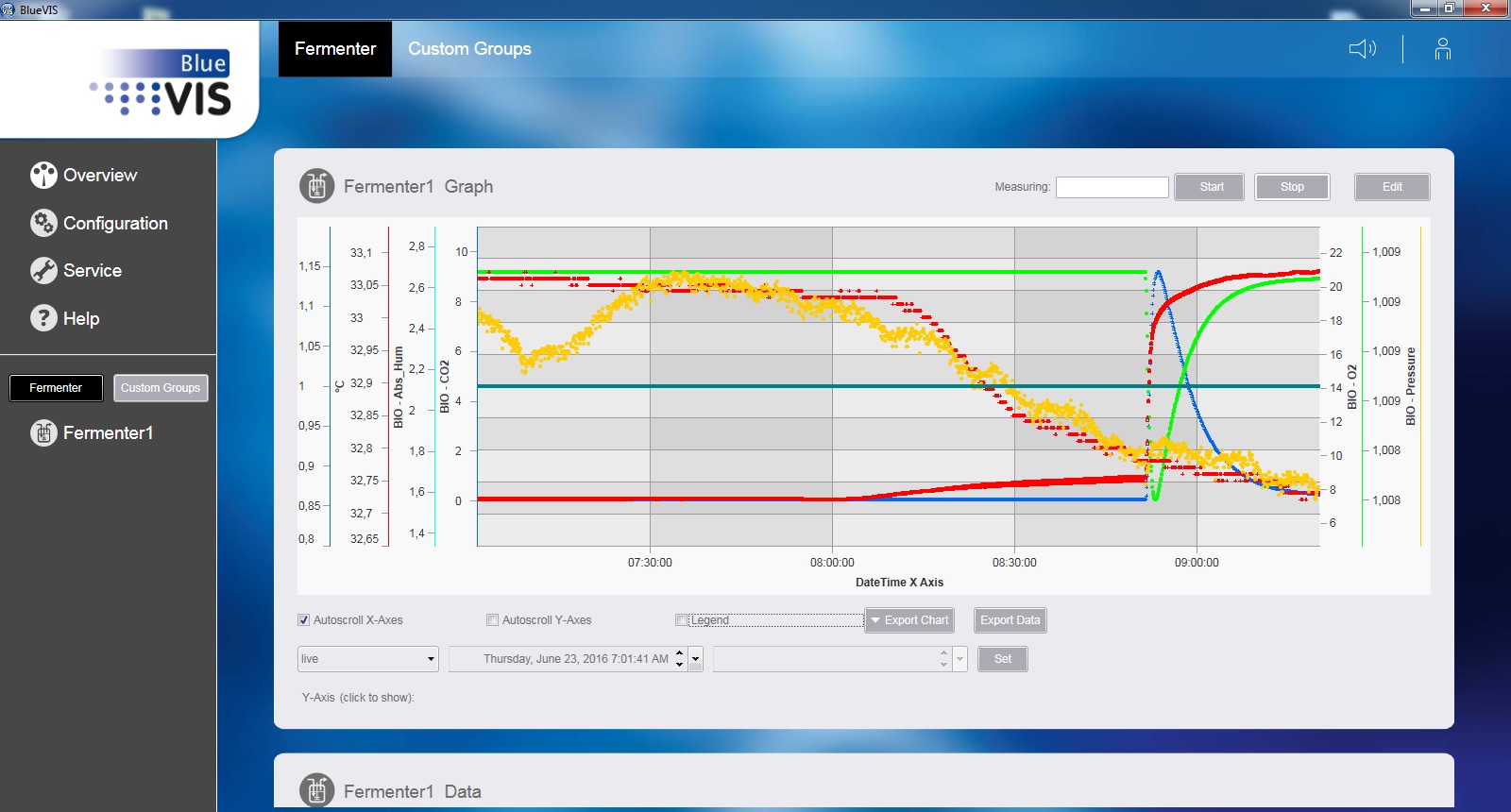
The challenge is also knowing what the organism is actually doing. Holger Müller, CEO of BlueSens, argues that familiar measurements can give operators a misleading sense of stability. Dissolved oxygen and pH may remain at their setpoints while cellular metabolism changes substantially.
Off-gas analysis offers another source of information. By measuring oxygen consumption and carbon dioxide production, operators can calculate respiratory quotient and use it to identify changes in metabolism, adjust feeding and compare biological performance between scales.
These exhibitors supply the materials, instruments, controls and supporting technologies needed to make fermentation more predictable. Their work is particularly relevant to companies trying to move from a process that succeeds occasionally to one that delivers consistently.
FermBase by Peter Cremer | Stand 38
FermBase brings fermentation media development, raw-material sourcing and supply-chain expertise together for companies developing industrial bioprocesses. Its work addresses issues that become increasingly important at scale, including ingredient availability, impurity profiles, batch consistency, storage and dosing. One example is Y-Base Blend, a standardized mineral and trace-element formulation for yeast fermentation developed through extensive experimental screening. According to CREMER, it can replace time-consuming preparation of individual trace-element solutions while maintaining comparable performance in customer trials. Visitors can discuss media optimization, commercial-grade raw materials and which capabilities fermentation companies might sensibly outsource.
BlueSens | Stand 6
BlueSens develops gas-analysis technologies that help bioprocess operators understand what is happening inside their cultures. Its sensors measure oxygen and carbon dioxide in bioreactor exhaust gases, supporting calculations of oxygen uptake rate, carbon dioxide emission rate and respiratory quotient. CEO Holger Müller describes how these measurements can reveal metabolic changes that may remain hidden when conventional process parameters appear stable. BlueSens has demonstrated respiratory quotient-based feeding control in yeast fermentation, using the organism's response to determine when substrate should be supplied. Visitors can discuss real-time monitoring, process optimization and the use of comparable biological measurements across laboratory, pilot and production scales.
Merck | Stand 2
Merck supplies life-science technologies, materials and technical expertise used in biotechnology research and manufacturing, including cell culture, fermentation and downstream processing. Its portfolio spans media-related products, filtration, analytical technologies and process-development tools. For novel food producers, these capabilities are relevant to establishing reliable manufacturing processes and building the documentation, testing and quality systems needed as technologies approach commercialization. Merck has also contributed to PPTI discussions about the regulatory and technical foundations of novel foods. Visitors can explore process development, manufacturing readiness, product quality and the practical requirements of scaling biological production.
I&L Biosystems | Stand 41
I&L Biosystems is a specialist distributor and technical service partner supplying laboratory and bioprocess technologies from multiple manufacturers. Its portfolio includes equipment for cell cultivation, biomass monitoring, spectroscopy, automated sampling, cell disruption and protein purification. Recent partnerships illustrate the breadth of its offering. Through GEA, it supplies the kytero 10 benchtop centrifuge in the Benelux region, while its work with Renishaw includes Raman analysis for real-time process monitoring. Other technology partners include Aber Instruments, Flownamics and The Cultivated B. Visitors can discuss how to select and integrate equipment across different stages of process development, supported by local application expertise and technical service.
Endress+Hauser | Stand 12
Endress+Hauser specializes in industrial measurement and automation technologies used to monitor and control production processes. Its instrumentation covers parameters including flow, level, pressure, temperature and liquid analysis, helping operators understand what is happening throughout a manufacturing system. In fermentation and food processing, dependable measurements are essential for maintaining consistent operating conditions, managing utilities and identifying deviations before they affect production. The company's expertise also extends to digital integration and process data. Visitors can discuss measurement strategies for bioprocessing, the transition from laboratory instrumentation to industrial systems and the requirements for reliable monitoring in continuous or large-scale production.
Siemens Nederland | Stand 30
Siemens supplies industrial automation, control and digital technologies used across manufacturing industries. Its capabilities include programmable control systems, process automation, industrial software and digital tools that help manufacturers monitor equipment and coordinate production operations. For emerging food technologies, these systems become increasingly important as processes move from manually supervised experiments to facilities requiring repeatability, traceability and reliable operation. Automation also provides a way to connect measurements from different stages of production and make better use of process data. Visitors can explore industrial control architecture, digitalization and the practicalities of operating increasingly complex food and biotechnology facilities.
Schill+Seilacher Struktol | Stand 29
Schill+Seilacher's Struktol business supplies specialty chemical additives, including antifoaming technologies relevant to fermentation and industrial processing. Foam can create operational problems in biological production, affecting usable vessel capacity, gas handling, process stability and downstream operations. Selecting an antifoam involves more than suppressing visible foam: compatibility with the organism, the process and subsequent recovery steps can also be important. Struktol's expertise gives fermentation developers an opportunity to discuss additive selection and the trade-offs involved in controlling foam without creating unnecessary complications elsewhere in manufacturing.
Hamilton | Stand 37
Hamilton develops sensors, analytical instruments and technologies for monitoring biological processes. Its portfolio includes measurements used to control critical conditions during cell cultivation and fermentation, supporting process understanding and manufacturing consistency. The company has contributed to PPTI discussions about the importance of reliable measurements during scale-up and the relationship between online process data and reference analytical methods. Visitors can explore sensor selection, calibration, process analytical technology and the challenge of obtaining dependable information as biological production becomes more complex.
Recovery, separation and the finished ingredient
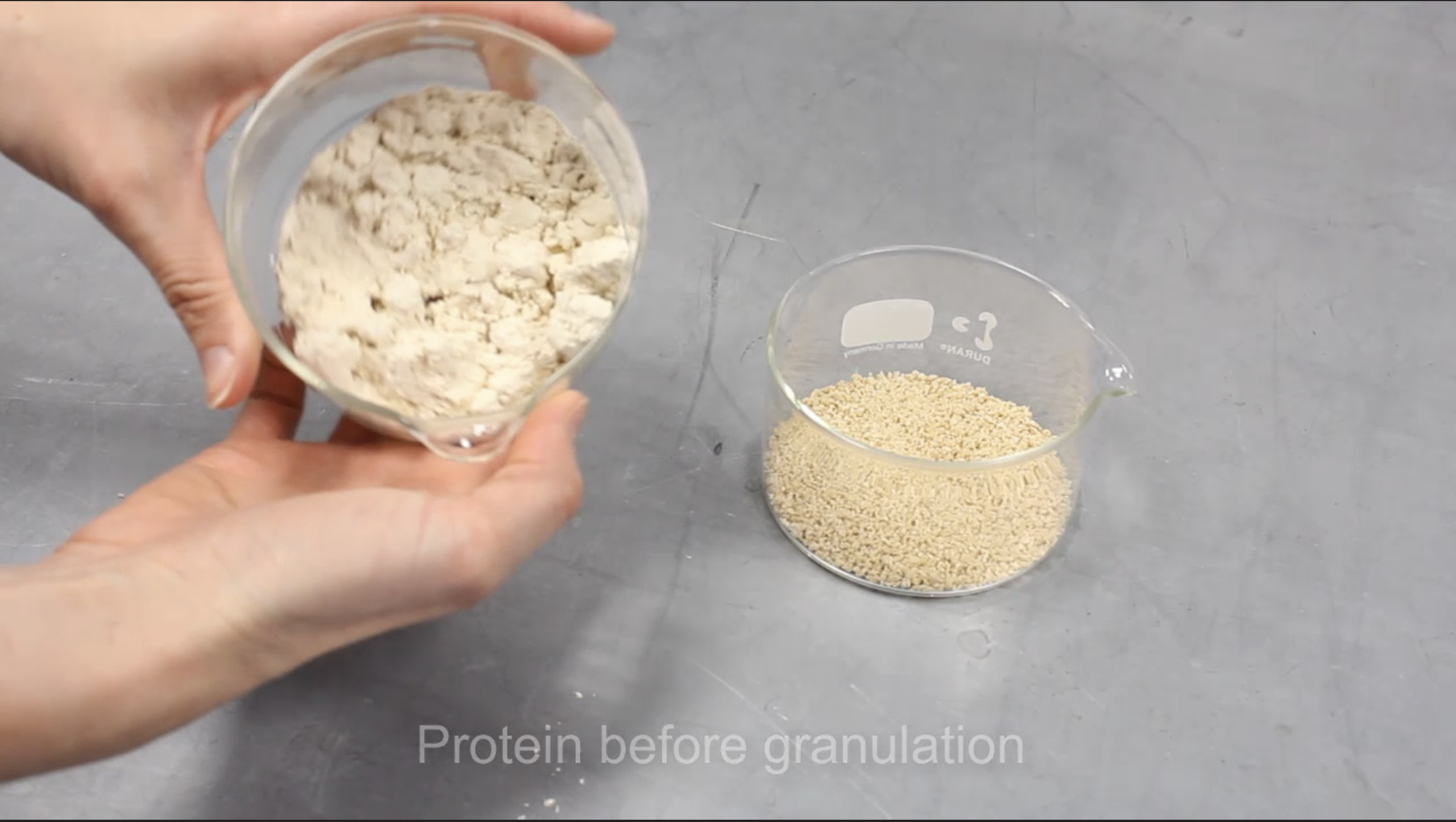
Producing a protein successfully does not mean it can be recovered economically. Once fermentation or cell cultivation is complete, manufacturers may need to separate biomass, concentrate a target molecule, remove unwanted components, manage water and dry the product into a stable ingredient.
Every operation introduces another opportunity for product loss, energy consumption or changes to functionality
Marcel Raedts, President of Proxcys, has a striking comparison. A commercial biopharmaceutical process might handle 100,000-200,000L over an entire year, while lactoferrin production can send the same volume through downstream processing in just two hours.
The economics are different, too. Purification techniques developed for very high-value pharmaceuticals cannot automatically be transferred into food production. Raedts argues that every separation step should be questioned, particularly when it increases dilution or reduces recovery.
Material behavior creates further complications. Dr Valerie Stahl of Thermo Fisher Scientific sees developers arrive with impressive ingredient specifications but little understanding of how their materials behave under extrusion conditions. A powder with excellent protein content and solubility may feed poorly, respond unexpectedly to heat and shear or produce the wrong structure.
The companies in this section address those challenges through separation, filtration, drying, analytical characterization and processing technologies.
Proxcys | Stand 24
Proxcys develops high-performance radial flow chromatography systems for industrial protein purification. Its experience in plasma fractionation and lactoferrin recovery has informed its work with precision fermentation, where large processing volumes and tight margins make recovery efficiency especially important. President Marcel Raedts argues that manufacturers should minimize unnecessary dilution, buffer use and separation steps while protecting protein functionality. The company's chromatography approach is designed to handle high flow rates with relatively low pressure drop and compact equipment. Visitors can discuss purification strategies, resin economics, protein recovery and how downstream processes can be designed for food-production volumes rather than inherited directly from biopharmaceutical manufacturing.
Ingetecsa | Stand 3
Ingetecsa specializes in industrial drying, cooling and mixing equipment, with technologies used across food, chemical and other process industries. Its portfolio includes spiral flash drying, drum drying and vacuum drum drying, offering different approaches to moisture removal depending on product characteristics. These operations are particularly relevant to manufacturers working with protein concentrates, fermentation biomass and other ingredients whose functionality may be affected by processing conditions. The company also offers pilot testing to help customers evaluate drying behavior before selecting industrial equipment. Visitors can discuss moisture removal, thermal exposure, product quality and the practical requirements of moving from wet process streams to stable commercial ingredients.
Van Borselen Filters | Stand 8
Van Borselen Filters is a Dutch filtration and separation specialist with a long history of supplying industrial process equipment. Its range includes filter cartridges, bags, housings, self-cleaning systems, sieving equipment and filtration technologies for food, beverage and other industries. The company also provides technical advice, testing and equipment rental, allowing customers to evaluate filtration options before making permanent investments. Its experience includes applications involving edible oils, dairy streams, whey and starch. For sustainable protein developers, the relevant questions include separation efficiency, product losses, hygiene, maintenance and selecting equipment suited to changing process volumes and material characteristics.
Sartorius Stedim Netherlands | Stand 28
Sartorius supplies bioprocess technologies used in cell cultivation, filtration, separation and manufacturing process development. Its portfolio includes single-use systems, bioreactors, filtration products and associated process technologies, supported by expertise developed in biopharmaceutical manufacturing. Some of these capabilities are relevant to cultivated meat and precision fermentation, particularly where developers need controlled cultivation conditions, dependable separation and repeatable processes. Visitors can explore how established bioprocess technologies might be adapted to food-production requirements, while considering the different cost, scale and material constraints that apply outside pharmaceutical manufacturing.
Agilent Technologies | Stand 5
Agilent Technologies provides analytical instruments, software and laboratory technologies used to characterize materials and understand complex biological and chemical processes. Its capabilities include chromatography, spectroscopy and mass spectrometry, which can support the analysis of proteins, metabolites, impurities and other components relevant to food biotechnology. Such measurements help developers establish what a process produces, investigate unwanted compounds and compare product quality between batches. Visitors can discuss analytical method development, ingredient characterization and how reliable laboratory data can support process optimization, product development and quality control.
RIC resolve | Stand 43
RIC resolve specializes in analytical science, chromatography and related laboratory services and technologies. Its expertise is relevant to companies that need to characterize complex mixtures, investigate chemical composition and develop reliable analytical approaches for new ingredients and production processes. As food biotechnology expands into unfamiliar proteins, metabolites and raw materials, analytical requirements can become more demanding than those associated with conventional ingredients. Visitors can discuss chromatography applications, analytical challenges and how better characterization can support process development and product quality.
Thermo Fisher Scientific | Stand 35
Thermo Fisher Scientific supplies analytical and laboratory technologies used to investigate ingredient properties and processing behavior. Dr Valerie Stahl, Application Specialist for Food Extrusion, argues that developers often understand an ingredient's composition without knowing how it will behave when subjected to heat, shear and low-moisture processing. Flowability, feeding consistency, rheology and structural changes can all determine whether a promising formulation survives extrusion. Laboratory-scale equipment and complementary analytical techniques allow companies to investigate those properties while using relatively small quantities of valuable ingredients. Visitors can discuss extrusion trials, material characterization, structure formation and how to make larger processing experiments more informative.

Ingredients, functionality and formulation
A new protein ingredient has to do more than provide protein. It must work in a formulation, survive processing, deliver the expected eating experience and remain commercially viable when production volumes increase.
That creates difficult decisions for food developers. An ingredient may improve nutrition but introduce unwanted flavors. A fat may provide the desired texture but behave differently during heating. A plant protein may perform well in one product and poorly in another. Cost, supply availability and labeling requirements add further constraints.
Kirsten Jacke, Senior Product Manager at Hydrosol, and Dr Pia Meinlschmidt, Head of Product Management at Planteneers, see these challenges influencing the development of hybrid products combining animal and plant proteins.
In dairy, manufacturers are exploring ways to combine higher protein content with cost optimization by replacing some dairy protein with plant protein. In meat products, priorities can include improving nutrition through reduced fat or the addition of plant proteins and fibers.
But adding ingredients does not automatically improve a product. Processing conditions, viscosity, texture and sensory characteristics can all change.
For Panos Kostopoulos, CEO of Proxy Foods, the complexity of those decisions makes formulation an attractive application for AI. His company's software searches large numbers of potential combinations before physical experiments begin, accounting for cost, nutrition, functionality and other requirements.
The exhibitors in this section approach formulation from several directions, supplying ingredients, developing processing technologies, improving flavor and using data to make product development more efficient.
AAK | Stand 7
AAK develops specialty fats and oils for food manufacturers, including applications where fat composition influences texture, mouthfeel, melting behavior and product stability. Its expertise is relevant to plant-based dairy, confectionery, meat alternatives and other products requiring specific functional properties. In October 2026, the company announced the first commercial deployment of its patented dry-fractionation technology at NURA in Malaysia, expanding its ability to produce specialty fat fractions. Visitors can discuss how fat selection affects product performance, the role of processing in developing desired fat functionality and opportunities to formulate products with different nutritional and technical requirements.
Angel Yeast | Stand 1
Angel Yeast supplies yeast-derived ingredients used in food formulation, nutrition and fermentation applications. Its portfolio includes yeast proteins, extracts and other products offering nutritional and functional properties. The company has recently highlighted certifications for selected Angeopro yeast proteins, including Monash University's Low FODMAP certification and Clean Label Project recognition. These developments add to its work on yeast-based ingredients for manufacturers seeking additional protein sources and formulation options. Visitors can discuss yeast protein applications, ingredient functionality, flavor, nutritional characteristics and how fermentation-derived materials can be incorporated into familiar food products.
Arborea | Stand 15
Arborea develops microalgae cultivation technology through its BioSolar Leaf platform, which is designed to produce biomass and associated ingredients using light-driven biological production. Its work includes BioSolar Spirulina, developed for applications in food and nutrition. In 2026, Arborea announced a partnership with Vita Actives to support commercialization of the ingredient. Microalgae offer a different route to protein and other nutritional components, but cultivation, harvesting, ingredient consistency and commercial economics all require careful consideration. Visitors can explore Arborea's cultivation approach, its ingredient-development work and the potential applications of microalgae-derived materials.
Hydrosol | Stand 19
Hydrosol develops stabilizing and texturizing systems for food manufacturers, with expertise across meat, dairy and plant-based applications. Together with sister company Planteneers, it has been investigating hybrid products that combine different protein sources to improve nutrition, cost or functionality. Senior Product Manager Kirsten Jacke emphasizes that combining proteins changes the entire formulation and processing system, potentially affecting viscosity, texture and sensory performance. Current development work includes high-protein dairy concepts and meat products incorporating plant proteins and fibers. Visitors can discuss ingredient interactions, hybrid formulation, processing challenges and how to deliver clear consumer benefits rather than relying on the hybrid label alone.
FlavaPulse | Stand 39
FlavaPulse produces yellow pea ingredients using dry-processing technology, including micronization and air classification. Based in Bulgaria, the company sources peas from regional agricultural supply chains and manufactures protein concentrates, flour and fiber for food applications. Its approach provides an alternative to conventional wet extraction, with potential implications for processing complexity, ingredient characteristics and resource use. The company has also worked with IMPROVE on research and technology development. Visitors can discuss pea protein functionality, dry fractionation, raw-material sourcing and the practical considerations involved in producing consistent plant-based ingredients at industrial scale.
Fabas | Stand S2
Fabas develops fava bean protein ingredients using proprietary extraction technology, with a focus on supplying functional ingredients for dairy alternatives and other food applications. Its approach emphasizes the use of European legumes and the potential to produce ingredients with fewer processing steps than some conventional protein-isolate systems. The company has highlighted liquid protein ingredients and their applications in food manufacturing. Visitors can discuss how fava bean proteins behave in formulations, the relationship between processing and functionality, and the opportunities for regional pulse crops to supply a wider range of food ingredients.
Happy Plant Protein | Stand S7
Happy Plant Protein develops plant-protein technologies designed to deliver specific textures and functional characteristics for food manufacturers. Its work includes a patented extrusion-based approach to producing tailored protein ingredients, with licensing forming part of its commercialization strategy. That model offers a different route to market from manufacturing and selling every ingredient directly. For developers, the important questions include how protein structure influences finished-product performance and whether the technology can be integrated into existing manufacturing systems. Visitors can discuss extrusion technology, ingredient functionality, licensing and the commercial potential of tailored plant proteins.
SentiaNova | Stand S16
SentiaNova is developing technology to reduce unwanted flavors in plant proteins, addressing one of the persistent difficulties in creating products with broad consumer appeal. Launched by FOOD FOUNDERS Studio, the company has introduced its Fully Neutral PPC 55 ingredient and is working on approaches to remove off-flavors while preserving useful protein properties. Its technology is relevant to manufacturers that want to use plant proteins without relying on extensive masking ingredients or complex flavor systems. Visitors can discuss the origins of off-flavors, ingredient treatment and the relationship between protein processing, taste and formulation flexibility.
The Ingredients Experts | Stand S13
The Ingredients Experts supplies and distributes plant proteins, fibers and functional ingredients to food manufacturers. Its portfolio includes pea, soy, fava bean, rice and chickpea proteins, alongside texturates, starches and other formulation materials. The company has announced a German Protein & Ingredients Hub intended to improve ingredient availability and provide greater flexibility in order quantities and delivery. It has also established a distribution partnership with Benexia for chia-based protein and fiber ingredients in Germany and Austria. Visitors can discuss ingredient selection, sourcing, supply consistency and how functional materials can be combined to meet specific product-development requirements.
Proxy Foods | Stand S6
Proxy Foods develops AI-assisted formulation technology intended to help food scientists explore more ingredient combinations and processing constraints before committing resources to laboratory trials. Its platform considers factors including cost, nutrition, functionality and regulatory requirements, with applications across plant-based products, fermentation-derived ingredients and cell culture media. CEO Panos Kostopoulos says the objective is to direct physical testing toward more promising candidates rather than eliminate experimental work. The company has also worked on research involving Stanford University and Food System Innovations, and recently announced a partnership with MISTA. Visitors can discuss formulation optimization, ingredient substitution, R&D data and the practical use of AI in product development.
MONKEYS BY THE SEA | Stand S14
MONKEYS BY THE SEA develops plant-based seafood products using combinations of plant proteins, algae, seaweed and other ingredients. Its work addresses the particular difficulties of recreating seafood, including layered textures, characteristic flavors, cooking performance and nutritional properties. The company's ingredient approach includes pea, potato and rice proteins, alongside marine-derived components and algal oil. It has also participated in research examining how to reproduce fish-like structure and quality during processing. Visitors can discuss plant-based seafood formulation, ingredient functionality and the technical challenges involved in creating convincing alternatives to fish and shellfish.
Croquito | Stand S15
Croquito is a food innovation project associated with Portugal's Polytechnic Institute of Bragança, developed by researchers and students exploring new applications for alternative proteins. Its product is an ultra-frozen croquette combining legumes and insect flour, using a familiar food format to introduce an unconventional ingredient. The concept raises interesting questions about product development, consumer familiarity and the role of insects in future protein supply. Visitors can learn more about the formulation, the development work behind the project and how university-led food innovation can move toward practical applications.
Brain Biocatalysts | Official Tote Bag Sponsor
Brain Biocatalysts specializes in enzyme development and biocatalysis, helping manufacturers use biological processes to improve ingredient production, processing efficiency and product functionality. Its expertise includes enzyme discovery, development and optimization for industrial applications, with opportunities to replace or improve conventional chemical and processing steps. For sustainable protein producers, enzyme technologies can offer ways to modify ingredients, improve processing performance and develop more efficient manufacturing routes. As the Official Tote Bag Sponsor of The Future of Protein Production Amsterdam 2026, Brain Biocatalysts will have a visible presence throughout the event.
Cultivated meat and cellular agriculture
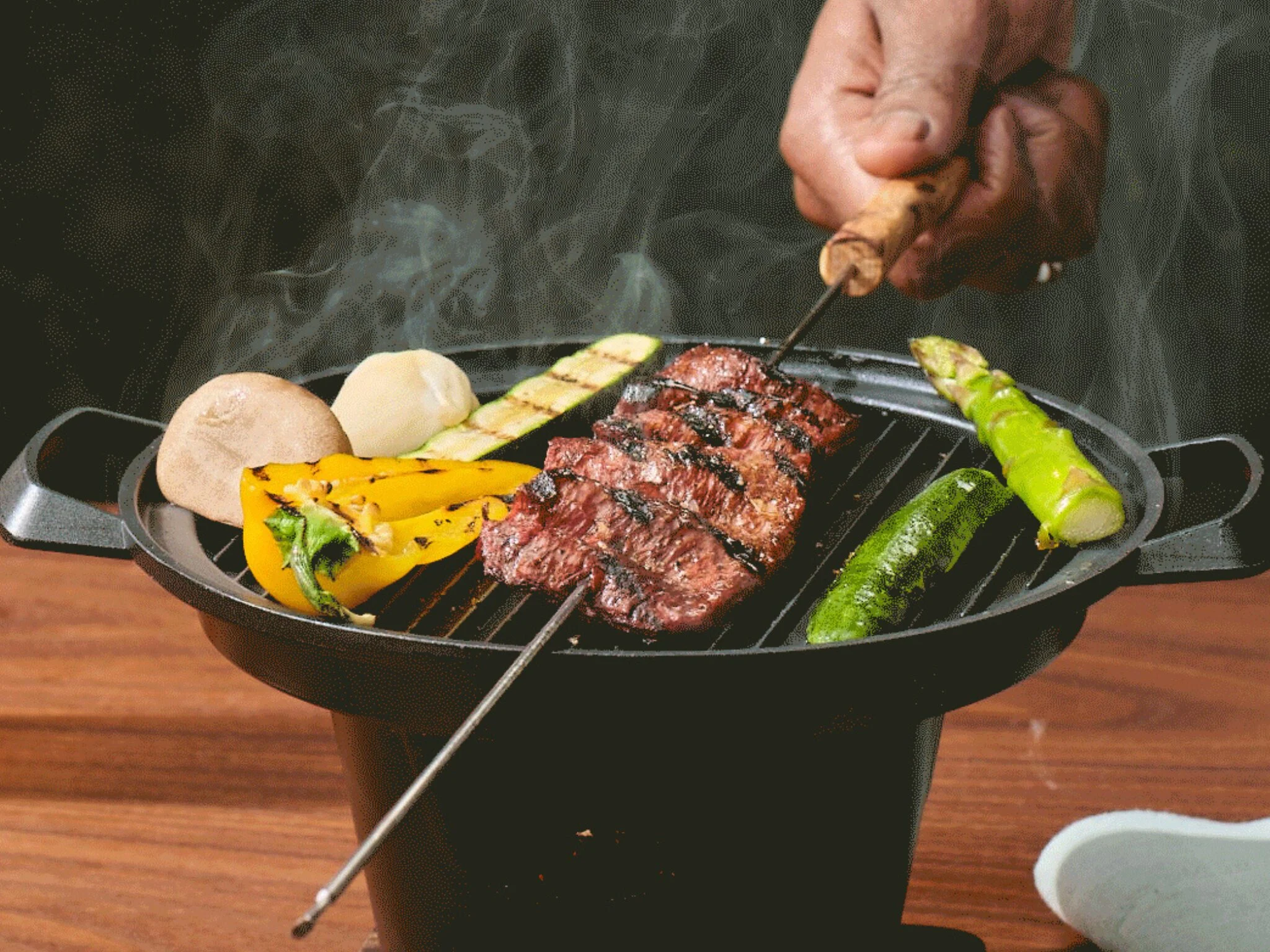
Cultivated meat developers face a series of interconnected challenges. Cells must grow efficiently, culture media must supply the right nutrients and growth factors, production systems must operate at useful volumes, and the resulting biomass must become a food product with recognizable structure and texture.
The work extends across several scientific and engineering disciplines. Improving cell growth does not automatically solve the cost of culture media. Increasing biomass production does not necessarily create the structure required for a steak. And successful cultivation still leaves questions about harvesting, processing, food safety and commercial manufacturing.
Dr Valerie Stahl of Thermo Fisher Scientific makes a relevant observation about emerging protein ingredients: some of the most interesting engineering questions begin after the biological production step. Cultivated meat is a particularly clear example.
At the same time, research institutions and technology suppliers are helping companies address individual parts of the process. Cell-line development, serum-free media, bioreactor design and tissue structuring can each determine the performance of the finished system.
The exhibitors in this section reflect those different priorities. Some are developing cultivated meat products, while others provide the materials, research infrastructure and technologies needed to make production possible.
Ivy Farm Technologies | Stand S11
Ivy Farm Technologies is a UK cultivated meat company developing technologies to grow animal cells for food production. Its work has included cultivated beef and research into manufacturing approaches intended to support larger-scale production. The company has also explored external manufacturing partnerships as part of its commercialization strategy. For visitors, the relevant questions include cell cultivation, production economics, manufacturing partnerships and the technical requirements of producing cultivated meat consistently. Its presence in the Startup Innovation Zone provides an opportunity to discuss how the company is approaching the next stages of development.
Respect Farms | Stand 26
Respect Farms is developing a farm-integrated approach to cultivated meat production, exploring how cell cultivation might become part of existing agricultural businesses rather than being confined to centralized industrial facilities. In 2026, the company opened a pilot facility in Schipluiden, the Netherlands, providing a practical setting for investigating the technical and economic requirements of its model. Its work raises questions about infrastructure, farmer participation, production scale and the relationship between conventional agriculture and cellular agriculture. Visitors can discuss the pilot facility, the farm-based production concept and what would be required to establish a commercially workable system.
Mirai International | Stand S12
Mirai International is a Swiss cultivated meat developer working on whole-cut beef products. Its TEND'R STEAK concept combines cultivated muscle and fat cells, while its Fibration Technology uses mechanical stimulation and fiber alignment to develop meat-like structure. The company has also developed WOW-Fat technology intended to reproduce aspects of marbling and fat behavior during cooking. Rather than focusing only on producing cell biomass, Mirai is addressing how that biomass becomes a recognizable cut of meat. Visitors can discuss tissue structure, muscle and fat integration, product development and the technical challenges of producing cultivated whole cuts.
EastMabBio | Stand 36
EastMabBio supplies recombinant proteins and growth factors used in cell culture, including products relevant to serum-free cultivated meat development. Its portfolio includes insulin, transferrin, FGF2, EGF, IGF and other proteins that can support cell growth and differentiation. The company also offers animal-origin-free and low-endotoxin options. Culture media remain an important technical and economic consideration for cultivated meat producers, particularly where developers need consistent performance without relying on animal serum. Visitors can discuss growth-factor selection, media formulation, protein supply and the requirements for moving cell culture from research toward food manufacturing.
CARMA – Cellular Agriculture Manufacturing Hub | Stand 23
CARMA is a UK research initiative investigating the manufacturing technologies and systems needed to develop cellular agriculture. Supported through the Engineering and Physical Sciences Research Council, the hub brings together academic and industrial expertise to examine production processes, manufacturing infrastructure and associated challenges. Its work includes questions about circular resource use, scale-up and the integration of emerging biological technologies into practical production systems. Visitors can explore research collaborations, manufacturing challenges and opportunities to connect scientific development with industrial engineering.
WildBio | Stand S8

WildBio develops cell-line technologies with potential applications in food production, conservation and other biological systems. Its work explores the use of animal cells from different species, including opportunities to develop products or research tools that do not depend on conventional livestock production. Cell-line performance is an important consideration in cellular agriculture because growth characteristics, stability and cultivation requirements influence the wider manufacturing process. Visitors can discuss cell-line development, biological diversity and the possibilities created by applying cell cultivation technologies to a broader range of species.

New routes to protein production
Fermentation, microalgae cultivation and other biological production systems are expanding the range of ingredients available to food manufacturers. Their appeal can lie in nutritional properties, functionality, production efficiency or the possibility of using raw materials that conventional food production does not fully exploit.
But each technology introduces its own requirements.
A microorganism capable of producing protein rapidly still needs a process that can be operated economically. Microalgae cultivation brings questions about harvesting, composition and ingredient recovery. Precision fermentation can produce highly specific molecules, but their value depends on purification, functionality and the ability to supply manufacturers reliably.
The potential to use agricultural by-products adds another consideration. RISE's PLANTOMYC project, for example, is investigating brewers' spent grain and pea-processing residues as substrates for fungal production. That could create additional value from existing food-system resources, although feedstock variability and processing economics still have to be addressed.
NOIET FOODS is approaching the same issue from another direction, using microbial fermentation to turn food-processing residues into ingredients that combine nutritional value with functional properties.
Several exhibitors in this section are also examining how new ingredients fit into established markets, including dairy, meat alternatives, animal nutrition and specialty food applications.
Their technologies differ considerably, but the commercial questions are familiar: what can the process produce, how reliably can it produce it, and what will customers be able to do with the result?
MicroHarvest | Stand S5

MicroHarvest develops microbial protein using fermentation, with a production process designed to generate biomass rapidly. The company has reported fermentation cycles of approximately 24 hours and is developing applications across food and animal nutrition. Its commercial progress includes pet-food activity and plans for substantially larger manufacturing capacity. Recent research into palatability has also examined acceptance among companion animals. Visitors can discuss microbial protein production, manufacturing scale, ingredient characteristics and the commercial requirements of supplying growing markets with fermentation-derived protein.
Nourish Ingredients | Stand S10

Nourish Ingredients develops fermentation-derived fats and other ingredients intended to improve the sensory performance of food products. Its work includes Creamilux, an ingredient developed for dairy-related applications where fat composition and functionality influence flavor, texture and eating experience. In September 2026, the company reported completing a 10-ton industrial production run with a manufacturing partner in the Netherlands, marking a step toward commercial supply. Visitors can discuss specialty fat development, fermentation manufacturing, ingredient functionality and the challenges of producing new food ingredients at industrial volumes.
Nutrition from Water (NXW) | Stand S3

Nutrition from Water (NXW) develops microalgae-derived ingredients, including its Marine Protein platform. Its approach uses non-GMO microalgae as a source of protein and other nutritional components, with potential applications in food and nutrition. The company has pursued partnerships and investment activity intended to support further development and industrial production. Visitors can discuss microalgae cultivation, ingredient composition, processing and the requirements for turning aquatic biological resources into commercially useful food ingredients.
myBIOS | Stand S9
myBIOS develops recombinant protein production technologies using Pichia pastoris, with an emphasis on methanol-free fermentation approaches. Its work includes strain development and process services intended to help companies produce target proteins through microbial expression. The selection of an expression system and feeding strategy can influence productivity, process complexity and operating requirements. Visitors can discuss recombinant protein development, strain performance, fermentation processes and the technical considerations involved in moving from laboratory expression toward larger-scale manufacturing.
NOIET FOODS | Stand S4

Milan-based NOIET FOODS is developing multifunctional ingredients through microbial fermentation of plant-based food by-products. Its proprietary platform converts underused materials, including residues from plant-based milk production, into ingredients designed to improve nutrition while reducing the need for synthetic preservatives and antioxidants. Its NOIFERM ingredient contains approximately 50g of protein and 20g of fiber per 100g, according to the company, and is being developed for applications including bakery, snacks, sauces, plant-based foods and sports nutrition. Visitors can discuss how fermentation can extend ingredient functionality, improve shelf life and create higher-value uses for food-processing side streams.
Plantomyc | Stand 20

Plantomyc is a European research and innovation project exploring how mycelial biomass can be combined with plant proteins to develop food products. Its work includes the use of brewers' spent grain and by-products from pea protein processing as fermentation substrates. The project is investigating submerged and solid-state fermentation, fungal strain selection, ingredient functionality and food formulation, supported by techno-economic assessment. RISE coordinates the project and contributes expertise across fermentation, processing and product development. Visitors can discuss circular feedstocks, mycelial protein production and the practical challenges of converting biological materials into foods with desirable texture and nutritional properties.
Nutreco Nederland | Stand 47

Nutreco brings expertise in animal nutrition, feed ingredients and associated supply chains to the exhibition. Its activities are relevant to emerging protein technologies both as potential sources of ingredients and as production systems requiring nutritional inputs. The company has also been involved in work exploring cultivated meat production economics, including cell culture media development through partnerships with other organizations. As the event's Lanyard Sponsor, Nutreco will have a prominent presence in Amsterdam. Visitors can discuss ingredient supply, nutritional formulation, manufacturing economics and the potential relationships between established animal nutrition businesses and new biological production technologies.
Research, regulation and sector development
New food technologies depend on more than scientific progress and manufacturing equipment. Companies also need access to research, regulatory expertise, commercial partners, investment and markets prepared to adopt their products.
Those requirements are closely connected. A technology developer may need to establish the safety of a novel ingredient while improving its manufacturing process and demonstrating a credible route to market. A research organization may help generate the necessary evidence, while industry associations and accelerators work on the commercial and policy conditions that influence adoption.
Regulation is particularly important for ingredients and production methods that fall outside established food categories. Companies need to understand the evidence expected by authorities and build suitable testing and documentation into their development programs.
Research institutions also play an important role in making expensive infrastructure and specialist expertise available to companies that could not justify developing those capabilities independently.
Meanwhile, organizations working with food manufacturers, retailers, policymakers and investors help address another challenge: turning technically successful innovations into products that can find customers.
The exhibitors in this final section operate at different points across that process, from food safety assessment and scientific research to startup development and market engagement.
European Food Safety Authority (EFSA) | Stand 18
The European Food Safety Authority provides independent scientific advice and risk assessment supporting food safety decisions in the European Union. Its work includes the assessment of novel foods, making it particularly relevant to companies developing new ingredients and production technologies. Applicants must establish appropriate evidence about product identity, manufacturing, composition, safety and intended uses. For food-tech developers, understanding those requirements early can influence research programs, analytical testing and commercialization timelines. Visitors can learn more about EFSA's scientific assessment role, the evidence requirements associated with novel foods and the importance of preparing robust applications.
The Good Food Institute | Stand 14
The Good Food Institute supports the development of alternative proteins through research, industry engagement, market analysis and policy work. Its activities cover plant-based foods, fermentation and cultivated meat, including technical and economic questions that affect commercial production. Recent work has examined cultivated meat production economics, investment trends and opportunities to address research gaps across the sector. Visitors can discuss the state of alternative protein technologies, publicly available research, industry collaboration and the evidence needed to support further technical and commercial progress.
Bezos Centre for Sustainable Protein | Stand 48
The Bezos Centre for Sustainable Protein at Imperial College London brings academic research and industry engagement together to advance sustainable protein technologies. Its work spans scientific development and the challenges associated with translating research into commercial applications. The center has been developing research facilities and support activities, including an accelerator designed to help emerging food technologies address technical and business challenges. Visitors can discuss research collaborations, access to specialist expertise, technology development and opportunities to connect academic discoveries with food-industry requirements.
Argenta | Stand 4

Argenta works in scientific and regulatory consulting, supporting companies developing novel food ingredients and biotechnology-based products. Its expertise is relevant to developers navigating safety assessments, evidence generation and the regulatory requirements associated with bringing unfamiliar ingredients to market. For companies using fermentation or cell cultivation, regulatory planning can influence strain selection, process characterization, analytical testing and manufacturing documentation long before an application is submitted. Visitors can discuss regulatory strategy, scientific evidence and the practical steps involved in preparing novel food technologies for assessment.
C-Label, F-Label & V-Label | Stand S1
C-Label, F-Label and V-Label address certification and labeling for different categories of food products, including cultivated, fermentation-derived, vegan and vegetarian foods. As the range of alternative protein technologies expands, manufacturers face increasingly specific questions about how ingredients and finished products can be described and how claims can be substantiated. Certification systems can help establish defined criteria and communicate product characteristics to customers and commercial partners. Visitors can discuss labeling requirements, certification processes and the practical considerations involved in bringing products from emerging food categories to market.
ProVeg International | Stand 44

ProVeg International works with food manufacturers, retailers, policymakers and other organizations to encourage greater adoption of plant-rich foods and alternative proteins. Its activities include consumer and market research, corporate engagement, food innovation and policy work. Recent initiatives have examined plant-based retail performance and European discussions about sustainable food procurement. For technology developers, these issues affect the commercial environment into which new ingredients and products will be introduced. Visitors can discuss consumer demand, retail strategy, food policy and opportunities for collaboration across the sustainable protein sector.
ProVeg Incubator | Stand 49

ProVeg Incubator supports early-stage companies developing plant-based, fermentation-derived and cultivated food technologies. Based in Berlin, it has worked with more than 130 startups from over 38 countries since 2018. Its Fast-track to Impact program offers equity-free support covering commercial strategy, fundraising, financial modeling and connections with investors and industry partners. The Incubator announced its second 2026 cohort in August, continuing its work with companies seeking to turn promising technologies into viable businesses. Visitors can discuss startup development, commercialization and investment readiness. Devika Suresh from ProVeg Incubator will also participate in the investor Q&A on the exhibition stage.
IFFA Messe Frankfurt | Official Coffee Breaks Sponsor

Organized by Messe Frankfurt, IFFA is an international trade fair for technologies used in meat and alternative protein processing. The event brings together equipment manufacturers, ingredient suppliers, automation specialists and food producers to explore developments in processing, packaging and manufacturing efficiency. Its coverage of both conventional meat and alternative proteins reflects the increasing overlap in the technologies and infrastructure used by these sectors. As the Official Coffee Breaks Sponsor of The Future of Protein Production Amsterdam 2026, IFFA Messe Frankfurt will be supporting opportunities for visitors and delegates to connect throughout the event.
Meet the companies behind the technologies
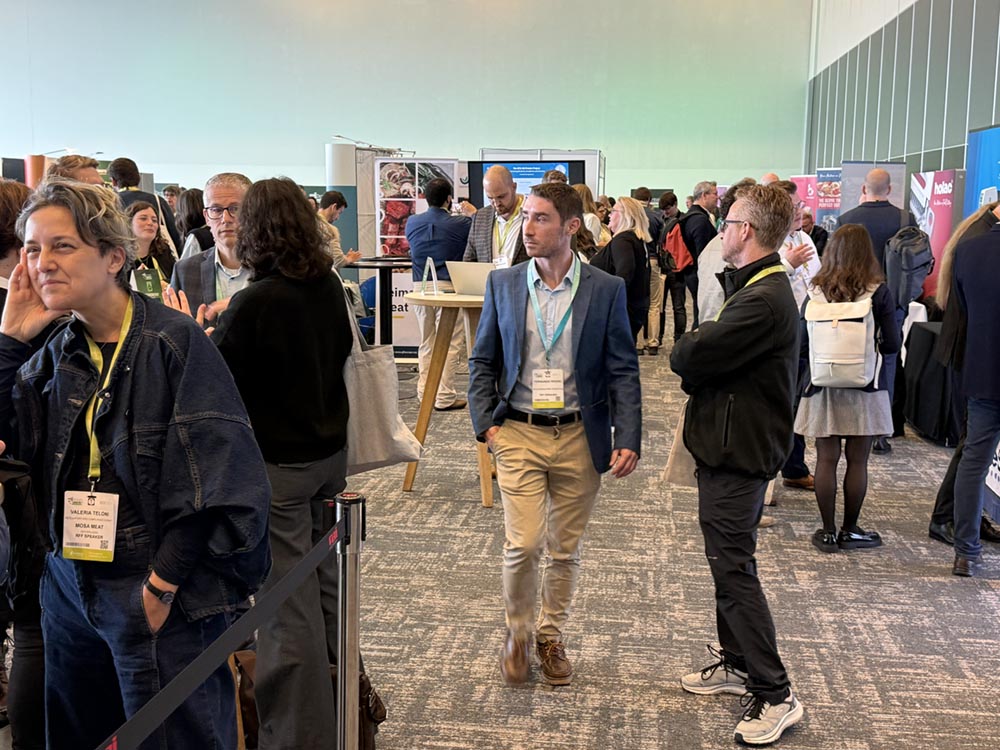
The breadth of this year's exhibition reflects the many decisions facing sustainable protein developers. Some visitors will be looking for a new ingredient or technology partner. Others may need help understanding why a process performs differently at scale, how to recover more product, where to find manufacturing capacity or what evidence will be required for regulatory approval.
There are opportunities to make connections between those disciplines across the exhibition floor. A fermentation developer can speak with media suppliers, sensor specialists, equipment manufacturers and downstream processing experts in the same visit. A food manufacturer can explore protein ingredients, specialty fats, formulation tools and analytical technologies before discussing how a finished product might be manufactured commercially.
The Startup Innovation Zone adds 16 early-stage exhibitors, offering a chance to meet companies developing technologies that may still be unfamiliar to much of the wider food industry.
The Future of Protein Production Amsterdam takes place on November 4-5, 2026, at RAI Amsterdam, with the exhibition now 95% sold out and only three spaces remaining. Exhibition entry is free. Visitors can explore the exhibition, meet exhibitors and attend activities available with the free exhibition pass. The conference program requires a separate paid pass. Register here for your free exhibition pass

Join Us At One Of Our Upcoming Events

If you have any questions or would like to get in touch with us, please email info@futureofproteinproduction.com

More News