Where will the world’s fats come from?

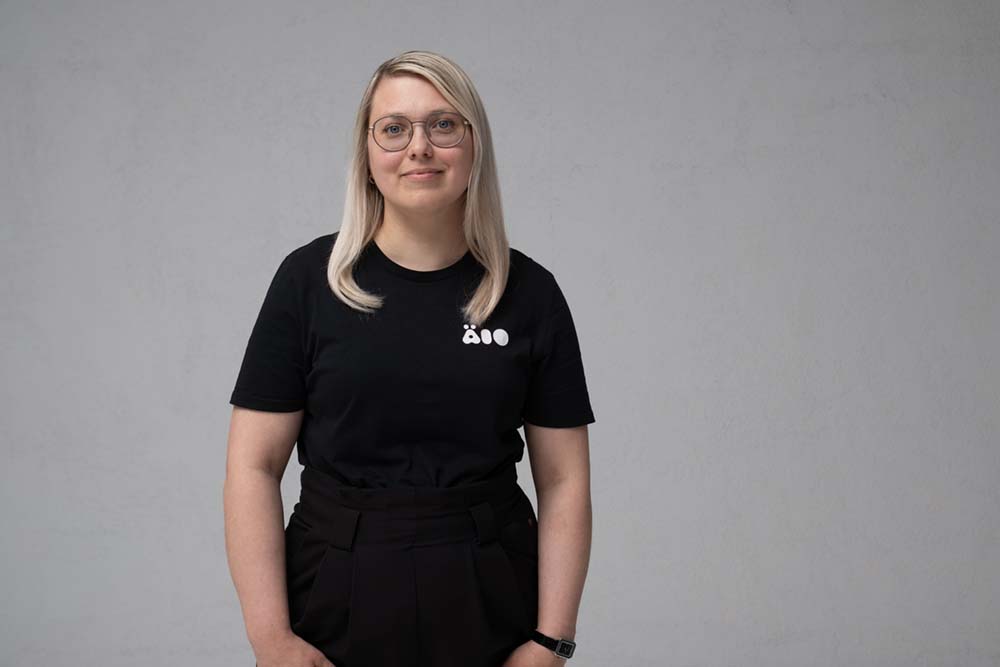
Palm oil, coconut oil and animal fats have shaped food manufacturing for generations. Mary-Liis Kütt, Chief Innovation Officer at ÄIO, believes the next chapter may look very different, with fermentation turning industrial side streams into functional lipids produced close to where food is made
Palm oil grows where the climate allows it. Cocoa butter depends on harvests half a world away. Animal fats are tied to livestock production and agricultural markets that have evolved over generations.
For much of the food industry’s history, those realities have simply been accepted. If manufacturers wanted fats, they sourced them from wherever nature happened to produce them. Mary-Liis Kütt believes that assumption deserves to be challenged.
“What if,” she asks in different ways throughout our conversation, “we stopped thinking about fats as agricultural commodities and started thinking about them as ingredients that could be produced almost anywhere?”
It is a question that sits at the heart of ÄIO, the Estonian biotechnology company developing microbial lipids through fermentation. Using yeasts fed on industrial side streams, the company is working to produce fats that could eventually replace selected applications for palm oil, coconut oil and animal-derived lipids.
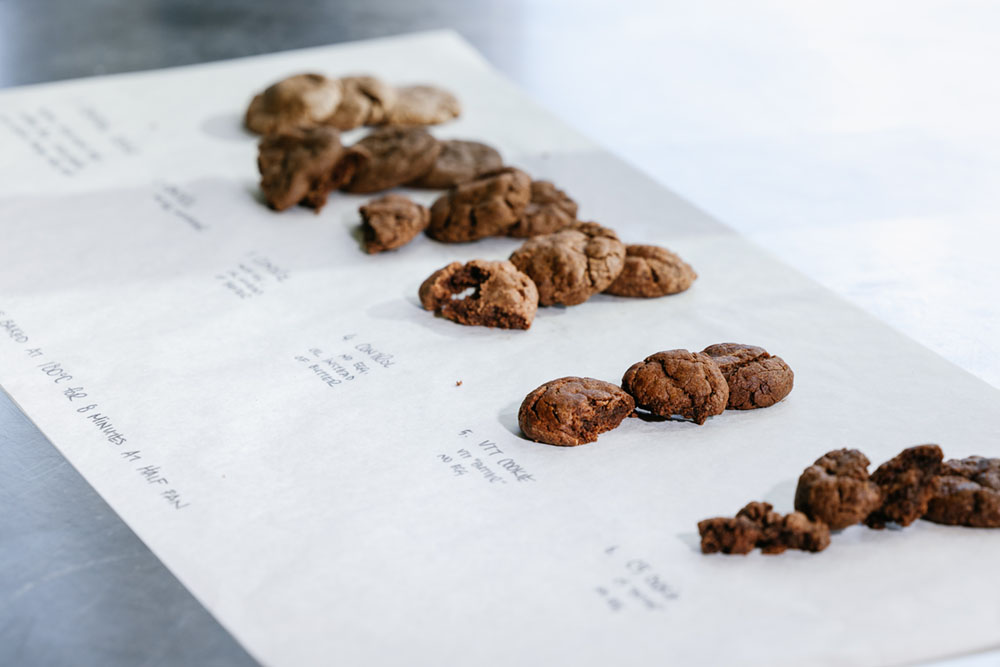
The idea has moved steadily from research towards commercial reality. During the past year, ÄIO completed a 10,000-liter fermentation campaign, produced its first metric ton of encapsulated oil, secured more than €2 million in public funding across multiple projects, and launched FERM-OIL, a program designed to validate industrial production while generating the data needed for a future European novel food application.
Kütt sees those achievements as evidence of something much bigger than the progress of a single company.
She believes food manufacturing is beginning to rethink one of its most fundamental supply chains.
Microorganisms are amazing cell factories that can convert various side streams into valuable ingredients for food, feed and chemicals
Giving fats their reputation back
Protein has dominated conversations about food innovation for so long that it is easy to forget another nutrient shapes almost every eating experience. “I think lipids have always received less attention because even though they are significant and relevant nutrients in our food, they have always had a bad reputation,” Kütt says. “People have tended to think protein equals good and fat equals bad.”
She smiles before immediately defending her subject. “But I need to clear the good name of fats, because there are no good or bad fats. There are fatty acids that we should consume more moderately and others, such as omegas, that are beneficial for our health.”
She believes consumers are beginning to appreciate something food scientists have always known. Protein builds structure. Fat creates pleasure. “Consumers have started to understand that protein alone cannot make the miracle,” she says. “To achieve good taste and a juicy texture, you also need fats.”
That becomes obvious when shoppers examine the ingredient lists on many plant-based foods. Behind the protein source often sits coconut oil, palm fractions or cocoa butter – ingredients chosen because they provide richness, creaminess and mouthfeel. Those ingredients perform well. They also carry questions about nutrition, sustainability and long-term supply.
“As consumers become more knowledgeable, they want healthier and more sustainable alternatives,” Kütt says. “I think that is the main reason why alternative lipids are beginning to emerge.”

Supply chains built for a different world
Sustainability is only one part of the discussion. The volatility seen across global commodity markets has reminded manufacturers how exposed many ingredient categories remain. Kütt recalls watching cocoa prices surge. “We have already experienced some small hiccups,” she says. “My favorite chocolate bar suddenly doubled in price from €4 to €8. I simply stopped buying it.”
Her example is light-hearted, but the underlying issue is serious. Agricultural oils remain dependent on weather, harvest quality, land availability and international trade. Climate events on one continent can quickly ripple through food manufacturing on another.
Fermentation offers a different model. “Microbial lipid production can work 24 hours a day, seven days a week,” Kütt explains. “It is not dependent on geographical or climate conditions.”
Consistency is another attraction. Traditional crops naturally vary from season to season. Fermentation takes place inside a controlled bioprocess where composition can be reproduced batch after batch.
“For companies, this translates into future-proof supply chains that are not exposed to deforestation policies, land scarcity or climate-driven crop failures.”
The benefits are environmental as well as commercial. Producing lipids through fermentation requires a fraction of the land and water needed for many conventional oil crops while reducing reliance on geographically concentrated agricultural systems.
Consumers have started to understand that protein alone cannot make the miracle. To achieve good taste and a juicy texture, you also need fats
Looking at waste differently
The feedstock entering ÄIO’s fermenters is just as important as the microorganisms themselves. Many industries generate side streams that still contain valuable carbon sources but currently have relatively little economic value. Kütt sees enormous untapped potential. “Microorganisms are amazing cell factories that can convert various side streams into valuable ingredients for food, feed and chemicals,” she says.
More companies are beginning to ask whether those side streams can become raw materials rather than waste. New pretreatment technologies are steadily expanding the range of materials microorganisms can utilize, creating opportunities that barely existed a few years ago.
Ironically, Kütt believes the biggest barriers are no longer technical. They are regulatory. “So many valuable side streams remain at the R&D stage because companies cannot be certain they will be allowed to use them commercially,” she says. “Industry needs clearer legislation and guidelines if circularity is going to move beyond laboratory demonstrations.”
There is another complication. Success changes economics. “If industries realize there is demand for their side streams, they may begin selling them,” Kütt says. “Eventually the price can become as high as traditional feedstocks.”
Circularity, she argues, needs supportive regulation as well as scientific innovation if it is to achieve its full potential.
The factory inside the factory
One example captures ÄIO’s thinking better than any technical description. Imagine an oat drink manufacturer. Producing oat milk leaves large quantities of oat okara behind. Although rich in nutrients, it spoils quickly and often has relatively low value. Kütt sees something else. She sees tomorrow’s feedstock.
“Imagine the manufacturer has one additional fermentation vessel,” she says. “The oat okara goes into the tank together with microorganisms. Fermentation produces lipid-rich biomass that can then be incorporated back into new food products, such as plant-based desserts.”
Instead of transporting ingredients across multiple countries, the food manufacturer creates its own. Waste becomes feedstock. Feedstock becomes functional lipids. Functional lipids return directly into finished products. “This is definitely the right direction,” Kütt says. “We should utilize side streams as close as possible to where they are generated.”
It is a simple example, but it points towards a very different model for ingredient manufacturing – one in which food factories become ingredient factories as well.
Microbial fats can be produced locally, using very little land and water, regardless of climate or geopolitical instability. Oils are not just part of food. They are needed in cosmetics, materials and chemicals as well. Their demand will only continue to grow
More than another source of oil
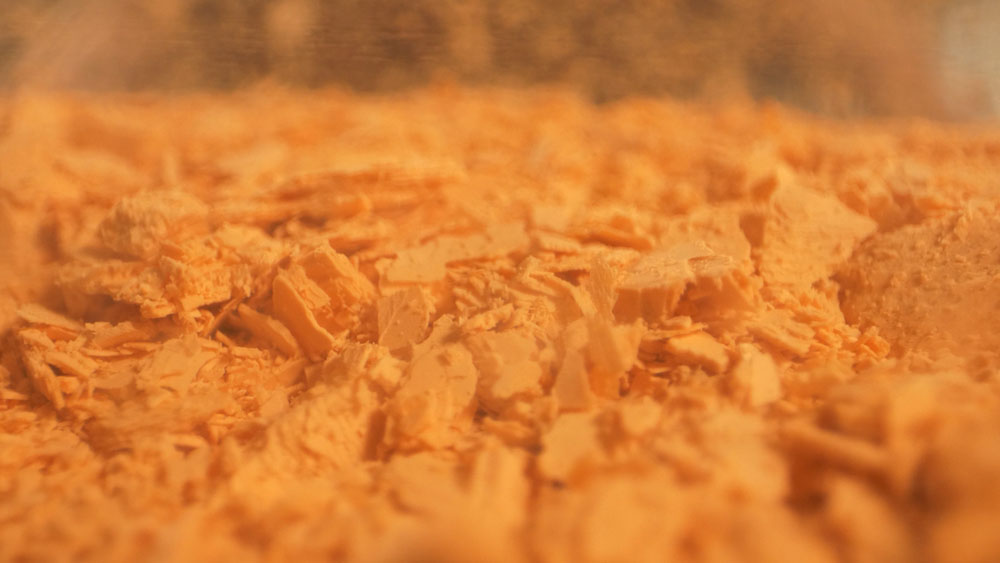
ÄIO is not trying to produce a direct copy of conventional fats. Its Encapsulated Oil combines triglycerides with fiber, protein, vitamins, minerals and naturally occurring carotenoids, creating an ingredient that contributes more than fat alone.
“The Encapsulated Oil provides a wide range of nutrients,” Kütt explains. “It improves the nutritional profile of different foods while also contributing flavor and functionality.”
Its sensory characteristics matter just as much. She describes gentle umami and kokumi notes, subtle roasted flavors and bready aromas that complement savory foods while improving the juiciness and texture of plant-based meat alternatives.
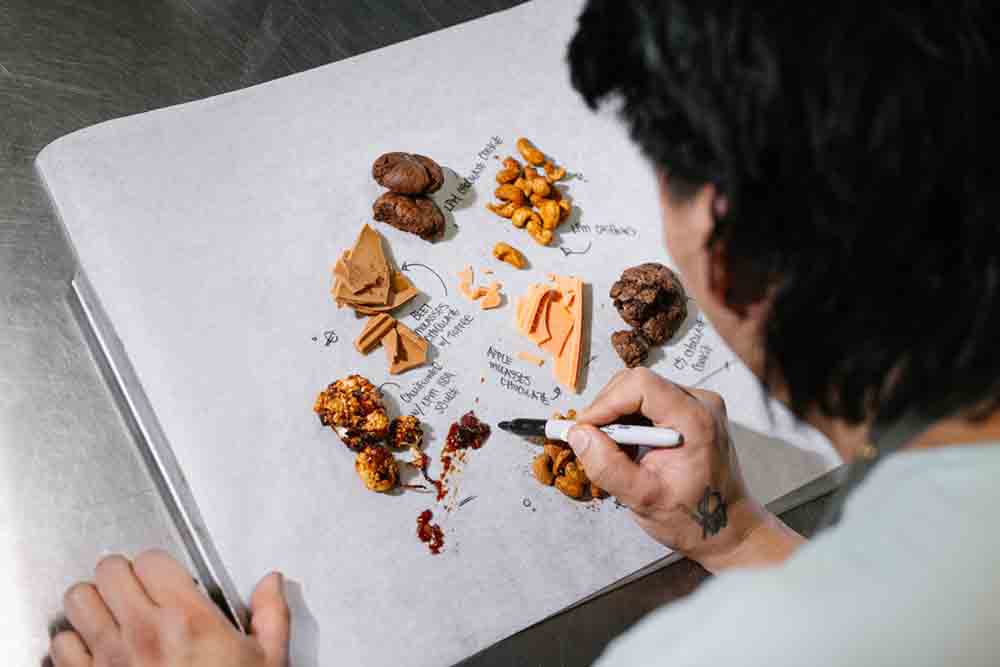
The physical format also creates practical advantages. Because the lipids remain encapsulated within dry biomass, the ingredient is easier to store, more resistant to oxidation and simpler for manufacturers to incorporate into formulations.
“It has higher stability, longer shelf life and is easier to incorporate into food applications,” Kütt says.
From laboratory to industry
Commercialization is now beginning to match the pace of scientific progress. Scaling from laboratory experiments to a 10,000-liter fermentation campaign demonstrated that ÄIO’s process could operate under industrial conditions. Producing the company’s first metric ton of encapsulated oil represented another important validation, while the FERM-OIL program is intended to push development towards Technology Readiness Level 6 and provide the data required for regulatory approval.
Taken individually, each milestone marks another step in the company’s development. Viewed together, they illustrate something broader. Microbial lipids are steadily moving away from scientific curiosity and towards commercial reality.
Kütt knows there is still work ahead. Consumers still expect products to taste good and remain affordable. Manufacturers still need ingredients that perform consistently at scale. Regulators still need convincing that novel feedstocks can safely enter food production.
Even so, she believes the direction of travel is becoming clearer. “People always want food that tastes good and is affordable,” she says. “But they also understand that many existing ingredients come with environmental and health challenges.”
Demand for oils continues to grow across food, cosmetics, chemicals and advanced materials. Meeting that demand with conventional agricultural production alone will become progressively more difficult.
“Microbial fats can be produced locally, using very little land and water, regardless of climate or geopolitical instability,” Kütt says. “And oils are not just part of food. They are needed in cosmetics, materials and chemicals as well. Their demand will only continue to grow.”
If she is right, the biggest change may not be the fats themselves. It may be where the world chooses to make them.

Join Us At One Of Our Upcoming Events

If you have any questions or would like to get in touch with us, please email info@futureofproteinproduction.com

More News