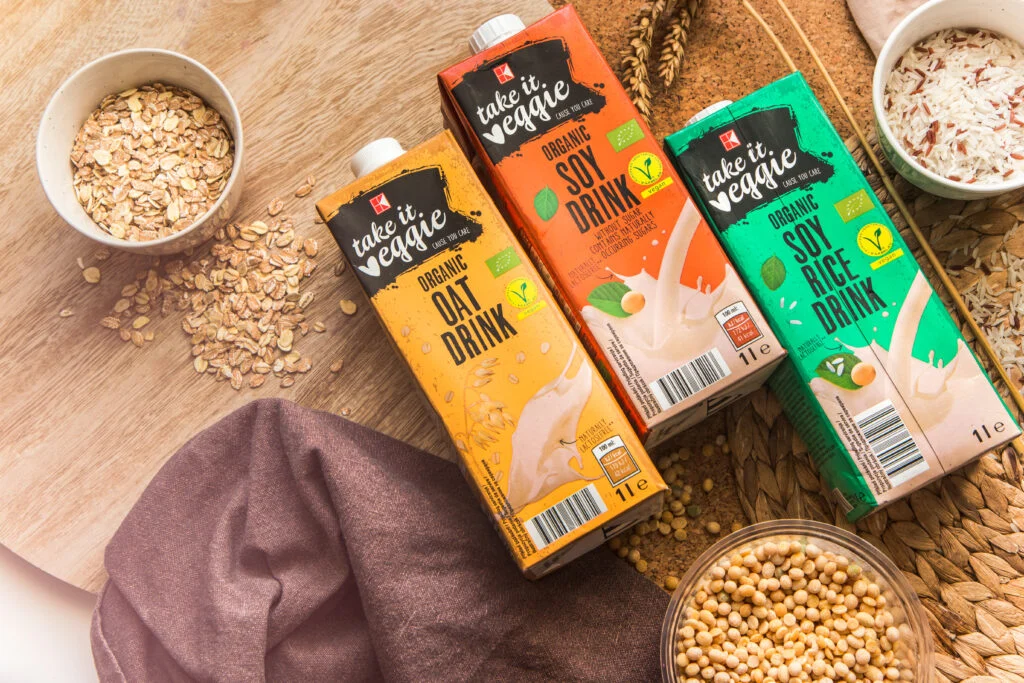
V-Label tops consumer preference in Swissveg study on vegan product labeling

The V-Label is the most effective way to identify vegan products for consumers in Switzerland, according to a new representative survey commissioned by Swissveg, with the certification outperforming both the word "vegan" and the term "plant-based" across key consumer groups.
• Swissveg commissioned YouGov to survey 1,020 consumers across Switzerland in June 2026.
• The official V-Label was preferred over all other vegan labeling options by vegans, vegetarians and flexitarians.
• The term 'plant-based' performed less strongly than the V-Label and, in many cases, even less well than having no vegan labeling.
A representative survey commissioned by Swissveg has found that the official V-Label is the preferred form of vegan product labeling among Swiss consumers most likely to purchase such products.
The research, carried out by YouGov between June 15 and 24, 2026, surveyed 1,020 people aged between 15 and 79 living in Switzerland. Participants were asked about their preferences for different forms of vegan product labeling.
According to the results, the V-Label was the clear favorite among vegans, vegetarians and flexitarians, outperforming all other labeling options, including the use of the word 'vegan' on its own and products carrying no vegan labeling.
The findings also contribute to an ongoing debate within the food industry over whether products should be marketed as 'plant-based' rather than 'vegan'.
Swissveg said the survey showed that while the term 'plant-based' was viewed more favorably than 'vegan' by flexitarians and omnivores, it was still significantly less appealing than products displaying the V-Label certification.
The organization also reported that, overall, consumers generally preferred products with no specific vegan labeling to those labeled only as 'plant-based'.
The study further highlighted a distinction between the use of the word 'vegan' and a recognized certification mark. Although the V-Label includes the word 'vegan', respondents showed a much stronger preference for the certification itself than for text-only labeling.
Among omnivores, the most common response was 'I don't know,' suggesting many consumers in this group either have little interest in vegan labeling or do not consider it an important purchasing factor.
Swissveg said the results demonstrate the value of third-party certification in helping consumers identify vegan products and suggest that recognized labeling schemes may carry greater credibility than descriptive terminology alone.

Join Us At One Of Our Upcoming Events

If you have any questions or would like to get in touch with us, please email info@futureofproteinproduction.com

More News