
RespectFarms opens world’s first farm-integrated cultivated meat facility in the Netherlands

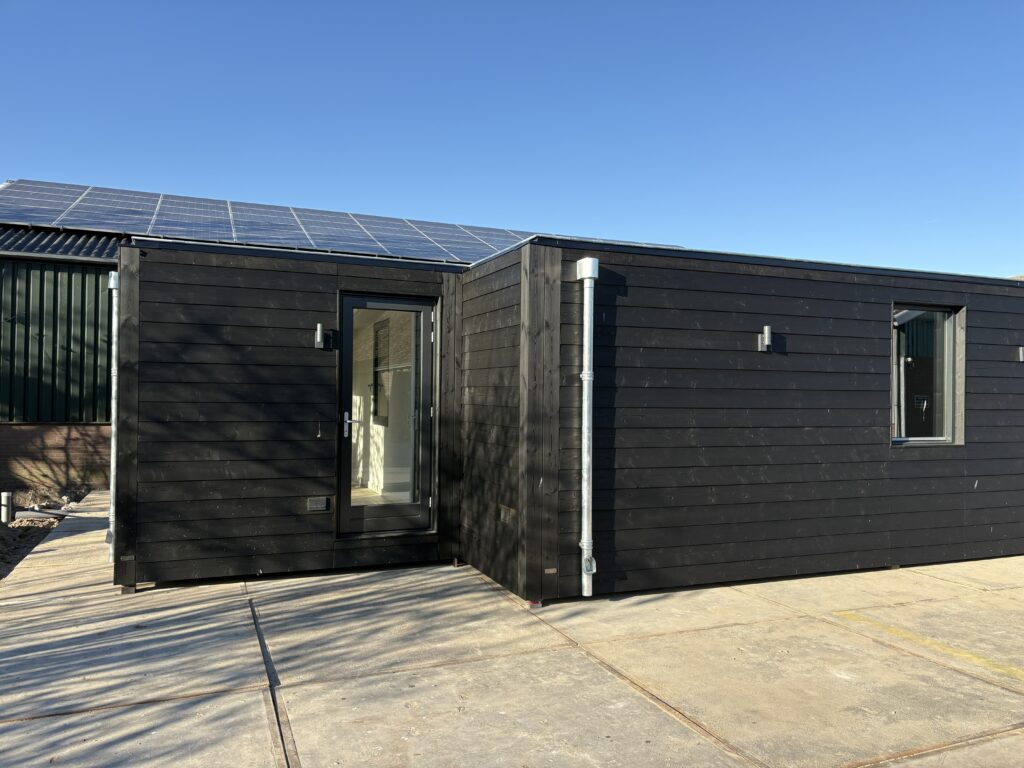
RespectFarms has officially opened what it described as the world's first cultivated meat farm, a pilot facility integrated into a working dairy farm in Schipluiden, the Netherlands.
• RespectFarms inaugurated a cultivated meat facility located on a working dairy farm in Zuid-Holland on June 5, 2026.
• The project explored a decentralized model for cultivated meat production that could be integrated into existing farm operations.
• The site will serve as both a pilot production facility and an experience center for farmers, policymakers, researchers, and the public.
The inauguration marked the latest milestone for a project that seeks to place farmers at the center of cultivated meat production rather than relying solely on large centralized manufacturing facilities.
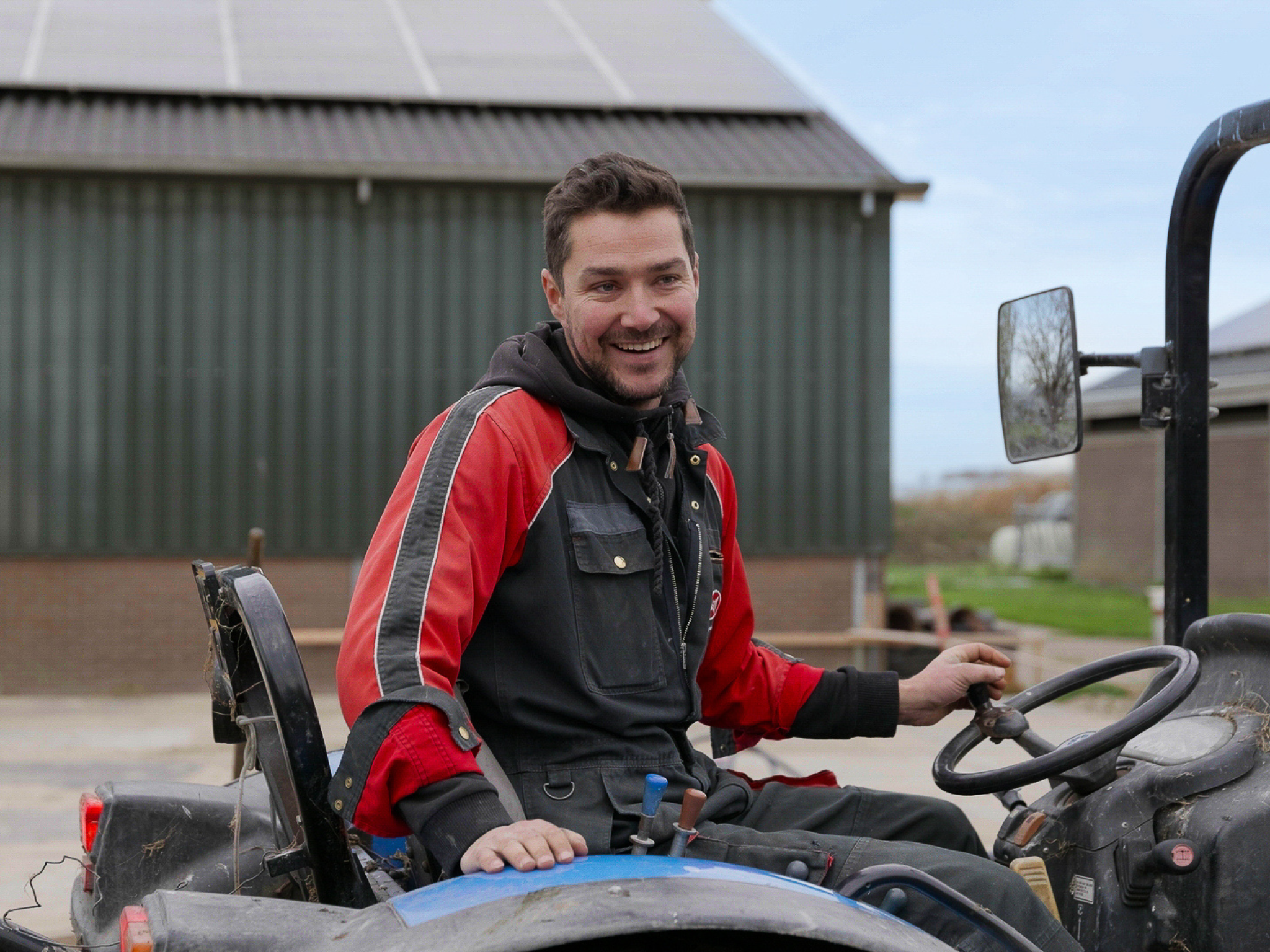
Developed in partnership with dairy farmer Corné van Leeuwen and a network of agricultural, scientific, and industry stakeholders, the initiative aims to investigate whether cultivated meat could become an additional business model for farms while allowing farmers to retain an active role in future food systems.
The facility was first installed in 2025. RespectFarms said the official opening reflected the project's progress to the point where it could begin demonstrating the concept more broadly and host discussions about the future of agriculture and food production.
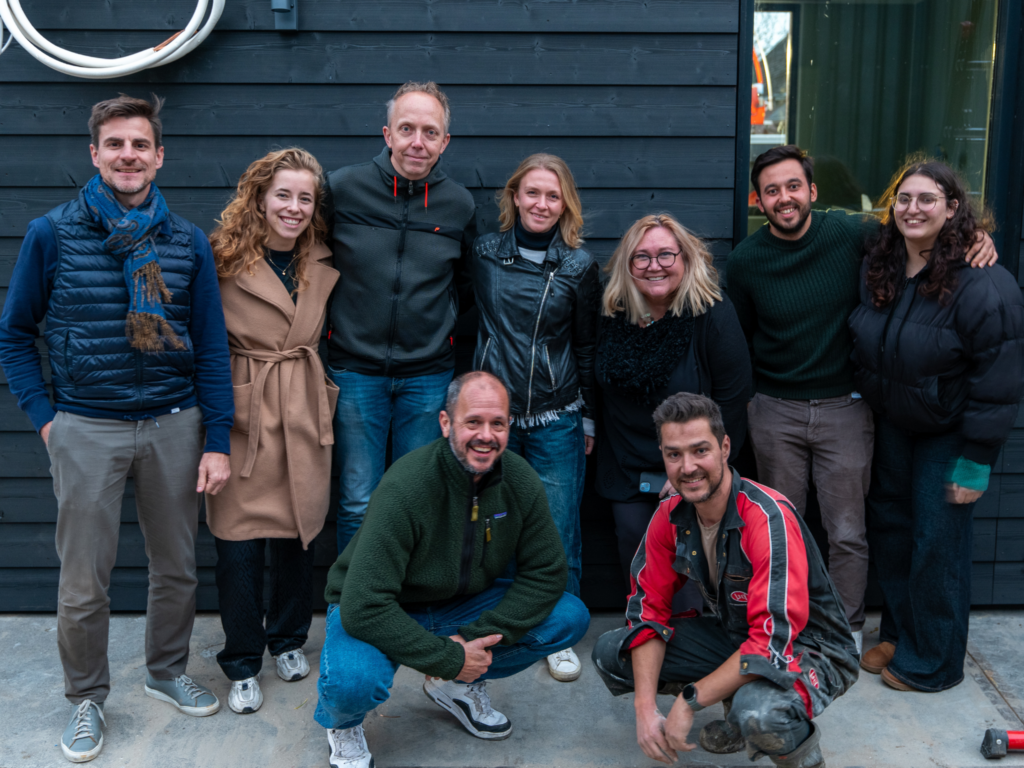
The opening ceremony brought together representatives from agriculture, science, investment, innovation, policy, and media. Contributors included Meindert Stolk, Aad Straathof, Mosa Meat co-founder Dr Mark Post, Next Nature Network founder Koert van Mensvoort, dairy farmer Corné van Leeuwen, and members of the RespectFarms founding team.
Ira van Eelen, Co-founder of RespectFarms and daughter of cultivated meat pioneer Willem van Eelen, said the project was designed to ensure farmers remain involved in the development of emerging food technologies.
"We're building a model where farmers remain at the center of food production, not replaced by factories," said van Eelen. "This project is about exploring how farmers can participate in and help shape the future of cultivated meat."
Rather than focusing exclusively on scaling production within large industrial facilities, RespectFarms has been investigating a distributed production model in which cultivated meat technologies could be integrated directly into farming operations.
Supporters of the approach argue that such a model could create new income streams for livestock farmers while helping address environmental and resource challenges associated with conventional meat production.
Ralf Becks, Co-founder of RespectFarms, said the project aimed to test whether cultivated meat production could work at farm scale before being replicated more broadly.
"RespectFarms brings a global challenge back to farm scale," said Becks. "And once it works, we can scale it out to create impact internationally."
The site will also operate as an Experience Centre, offering visitors the opportunity to learn about cultivated meat technology and engage in discussions about food production, sustainability, agriculture, and biotechnology.
According to RespectFarms, the center will welcome farmers, policymakers, researchers, students, and members of the public interested in understanding how cultivated meat is produced and how it could fit into future agricultural systems.
Ruud Zanders, Co-founder of RespectFarms and founder of egg producer Kipster, said the project was intended to explore alternatives to current livestock production models while maintaining opportunities for farmers.
"The consumption of the current amount of animal products is not sustainable within the planet's capacity. So, we need to find other ways to provide for our food. Within the Earth's capacity and with as little impact as possible on animals, humans, the climate and with a future for the (livestock) farmer. Et voila: the cultivated meat farm," said Zanders.
Cultivated meat is produced by growing animal cells in controlled environments rather than raising and slaughtering animals. Cells obtained from an animal are cultivated in bioreactors containing nutrients, oxygen, and other growth conditions that allow them to multiply and develop into edible tissue.
Advocates argue that the technology could reduce land use, water consumption, and greenhouse gas emissions associated with conventional livestock production, although commercial-scale production remains under development and continues to face technical, regulatory, and economic challenges.
The opening of the RespectFarms facility comes as the cultivated meat sector continues to explore different pathways to commercialization. While most companies have focused on centralized production facilities, the Dutch project represents one of the first attempts to evaluate whether cultivated meat manufacturing can be integrated directly into existing farm infrastructure.
RespectFarms describes itself as a system integrator connecting agriculture, biotechnology, and food production. The company works with livestock farmers, scientists, and food industry partners to develop decentralized production models that could allow cultivated meat technologies to be deployed closer to agricultural communities.
With the facility now officially open, the project enters its next phase as both a demonstration site and a testing ground for how farm-based cultivated meat production could operate in practice. Whether the model proves commercially viable remains to be seen, but RespectFarms believes it offers a new perspective on how farmers might participate in the future of meat production.

Join Us At One Of Our Upcoming Events

If you have any questions or would like to get in touch with us, please email info@futureofproteinproduction.com


