

Feeding fungi on carrot waste yields protein-rich meat alternatives

Researchers have demonstrated that fungal mycelium grown on carrot processing side streams can deliver a nutritious, sustainable protein that performs well in meat analog applications – and may even taste better than conventional plant-based proteins.
The findings, published in the Journal of Agricultural and Food Chemistry, showed that burger patties and sausage-style products made with mycelium cultivated on carrot residues were preferred by taste testers over versions made with soy protein and chickpeas.
The work highlighted the potential of fungal fermentation to upcycle food industry side streams into high-quality protein ingredients, addressing both sustainability and food security challenges.
Food production generates large volumes of side streams that often go unused or are discarded. At the same time, global demand for affordable, nutritious protein continues to rise, with more than three billion people unable to afford a healthy diet, according to the United Nations.
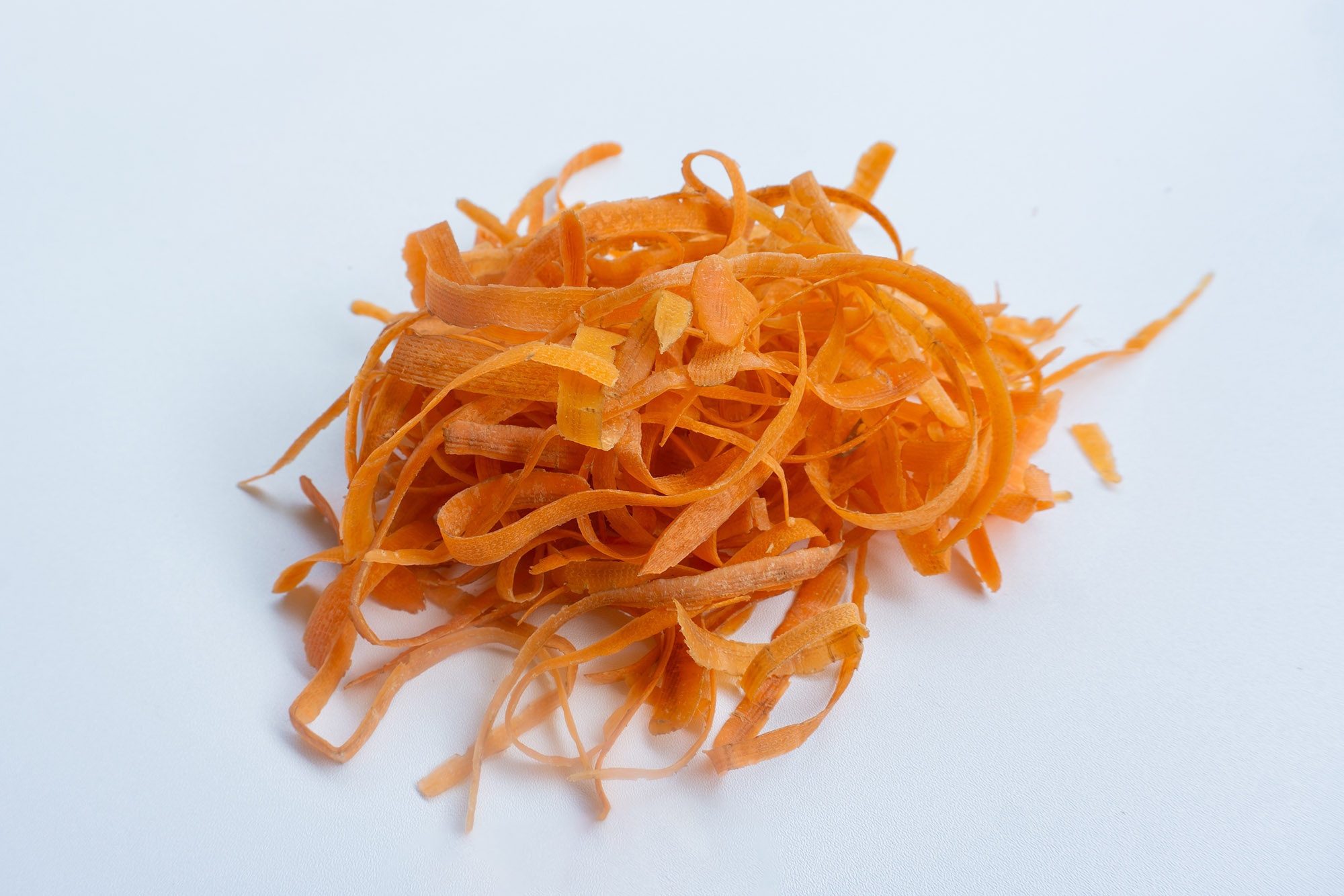
In the study, researchers focused on liquid side streams produced during the manufacture of natural food colorants from orange and black carrots. Rather than growing mushroom fruiting bodies, the team cultivated fungal mycelium – the fast-growing, root-like structure of fungi – which requires less space and time while still delivering valuable nutrients.
“This study is a significant step towards a circular economy by transforming valuable food side streams into a high-quality protein source,” said Martin Gand, the study’s corresponding author. “It highlights the potential of fungal mycelium in addressing global food security and sustainability challenges.”
The researchers screened 106 fungal strains to assess their ability to grow on carrot side streams and produce protein efficiently. One strain, Pleurotus djamor – commonly known as the pink oyster mushroom – stood out for its growth rate, protein yield, and neutral sensory profile.
After optimizing cultivation conditions, the team achieved mycelium with protein levels comparable to animal- and plant-derived proteins, along with low fat content and fiber levels typical of edible fungi. The biological value of the protein, which reflects how efficiently the body can utilize it, matched that of widely used dietary proteins.
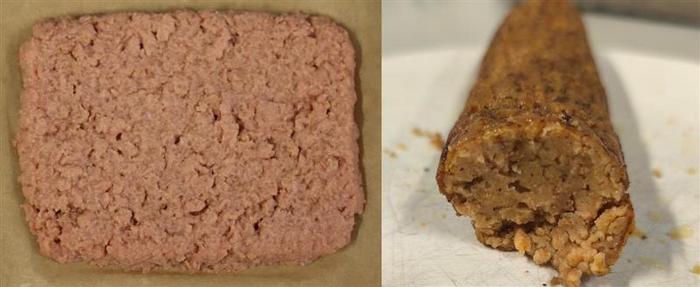
To test real-world applicability, the researchers incorporated the mycelium into vegan burger patties, gradually replacing soy protein from 0% to 100%. In sensory evaluations, volunteers consistently rated the patties made entirely from mycelium higher than those made entirely from soy, particularly for texture and overall acceptability.
The team also produced vegan sausages using either soaked chickpeas or fresh mycelium. Again, tasters generally preferred the aroma and flavor of the mycelium-based versions.
The results suggested that fungal mycelium could not only match the nutritional profile of existing plant-based proteins, but also improve sensory performance – a persistent challenge for meat alternatives.
Because the process relies on existing food industry side streams, the approach avoids the need for additional agricultural land or dedicated crops. Instead, it adds value to materials that would otherwise be wasted, supporting more circular food systems.
“Utilizing side streams as substrate for mycelium production reduces environmental impact while adding value,” Gand said. “It supports food security by enabling efficient and sustainable protein production.”
The researchers acknowledged funding from institutional sources and GNT Europa, a producer of natural food colorants, which supplied the carrot side streams used in the study.

Join Us At One Of Our Upcoming Events

If you have any questions or would like to get in touch with us, please email info@futureofproteinproduction.com


