Nature's own fat factory: How Botaneco believes oleosomes could reshape the future of plant-based foods

Botaneco is taking its oleosome technology from personal care into food, preserving oilseeds’ natural architecture to rethink how plant-based fats deliver texture, emulsification and mouthfeel
The food industry has become remarkably good at taking plants apart. Oils are extracted. Proteins are isolated. Fibers are separated. Each component is refined before being blended back together to create something entirely new. Botaneco is asking whether one of those steps was necessary in the first place.
Inside every oilseed is an elegant piece of natural engineering. Known as oleosomes, these microscopic oil bodies store and protect lipids within a membrane of proteins and phospholipids. Rather than dismantling that architecture and rebuilding it through formulation, the Calgary-based company has spent years developing a water-based process that preserves it, believing the approach could offer food manufacturers a new route to improving texture, emulsification, mouthfeel and fat delivery.
Having established commercial manufacturing for oleosome-based ingredients in personal care, Botaneco is now applying that expertise to food. The opportunity extends beyond replacing animal fat with plant-derived alternatives. Food manufacturers are increasingly looking for fat systems that deliver better texture, emulsification, mouthfeel and formulation performance from the outset.
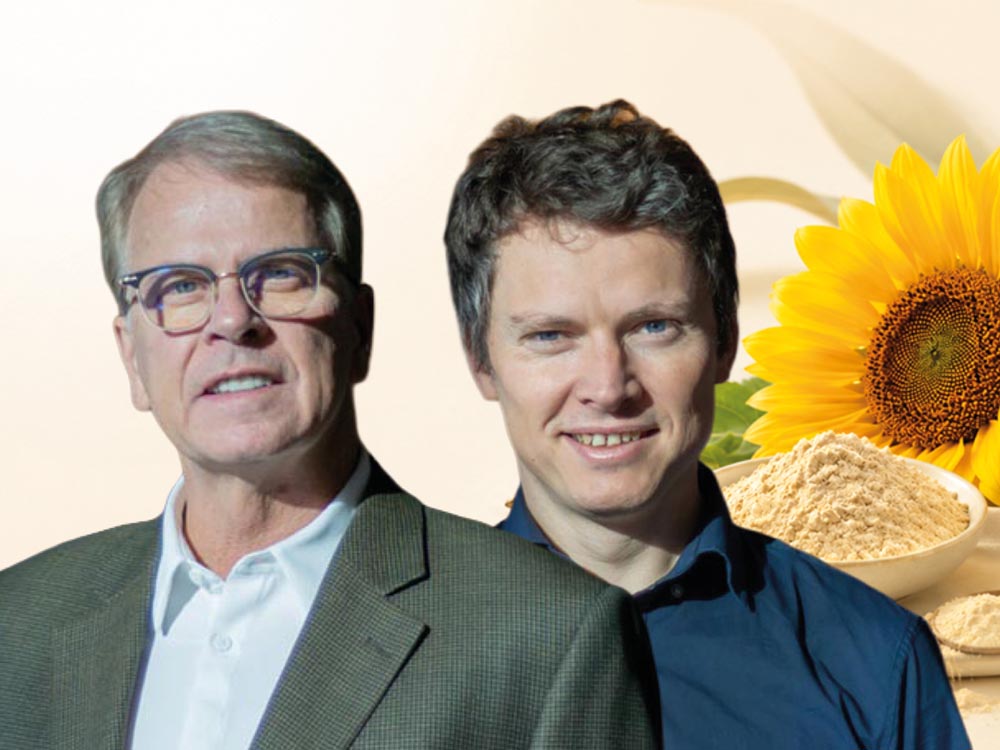
For President and CEO James Szarko, Botaneco's move into food represents the next chapter in a much longer journey rather than a change of direction. "This is not a new direction for Botaneco," he said. "Over time, we have developed strong expertise in oilseed oleosomes, advanced our processing methods, and commercialized oleosome-based ingredients for personal care. These steps have given us modern laboratories, large-scale manufacturing capacity, rigorous quality systems, and practical experience turning a natural structure into a consistent, functional ingredient."
Instead of extracting oil and then rebuilding an emulsion, Botaneco's process keeps the seed's native oil body intact
The experience gained from supplying the personal care market has given Botaneco something many emerging ingredient companies lack: established manufacturing infrastructure, validated processing methods, and a proven ability to produce natural ingredients consistently at commercial scale. Those foundations are now being applied to food, where the company is beginning targeted application development with selected partners rather than pursuing a broad product launch.

"Today, we have a much stronger technical and industrial base for evaluating food applications, and we are seeing growing interest from industry partners," Szarko said. "Instead of launching a broad market product, we are starting focused application development and commercialization with partners who share our interest in advancing plant-based fats."
Keeping nature’s architecture intact
The strategy also reflects a shift in how formulators are thinking about fats. Product developers increasingly recognize that fats influence far more than nutritional content alone. They shape texture, stability, flavor release, creaminess and the overall eating experience, making them one of the defining elements of product quality.
Jason Hargreaves, Botaneco's Director of R&D, believed that complexity is often underestimated.
"A common misconception is thinking of fat as a single, interchangeable commodity," he said. "In reality, fats play a key role in structure, lubrication, flavor delivery, mouthfeel, stability, and the overall eating experience. Replacing animal or saturated fats typically requires manufacturers to reconstruct these complex functions using a range of refined oils, emulsifiers, and texturizing ingredients."
Botaneco's technology approaches the problem from a different direction. Instead of extracting oil before rebuilding its functionality through additional ingredients, it preserves the seed's native oil body intact.
"Oleosomes provide a different starting point," Hargreaves said. "Instead of extracting oil and then rebuilding an emulsion, Botaneco's process keeps the seed's native oil body intact. The oil remains enclosed within a natural membrane that includes proteins and phospholipids."

The result is an ingredient that retains much of the functionality already present within the seed. "This natural structure allows a single ingredient to deliver several functions, including fat delivery, emulsification, and a desirable sensory experience," he said. "While oleosomes are not a universal solution, they can simplify formulation by helping developers retain more of the seed's original functionality and reduce the need for additional ingredients."
That principle has become increasingly relevant as food companies explore new ways of structuring fats. Among the areas attracting growing interest are oleogels, which seek to give liquid plant oils more solid-like characteristics without relying on traditional saturated fats. Although Botaneco is not developing conventional oleogels, its research has led the company to examine where naturally structured oil bodies may offer similar functional advantages.
One finding has consistently emerged from that work. "We have learned that fat performance depends on more than just oil composition," Hargreaves said. "The physical structure around the oil, the oil-water interface, and how the fat is dispersed all play important roles in texture, stability, and sensory qualities."
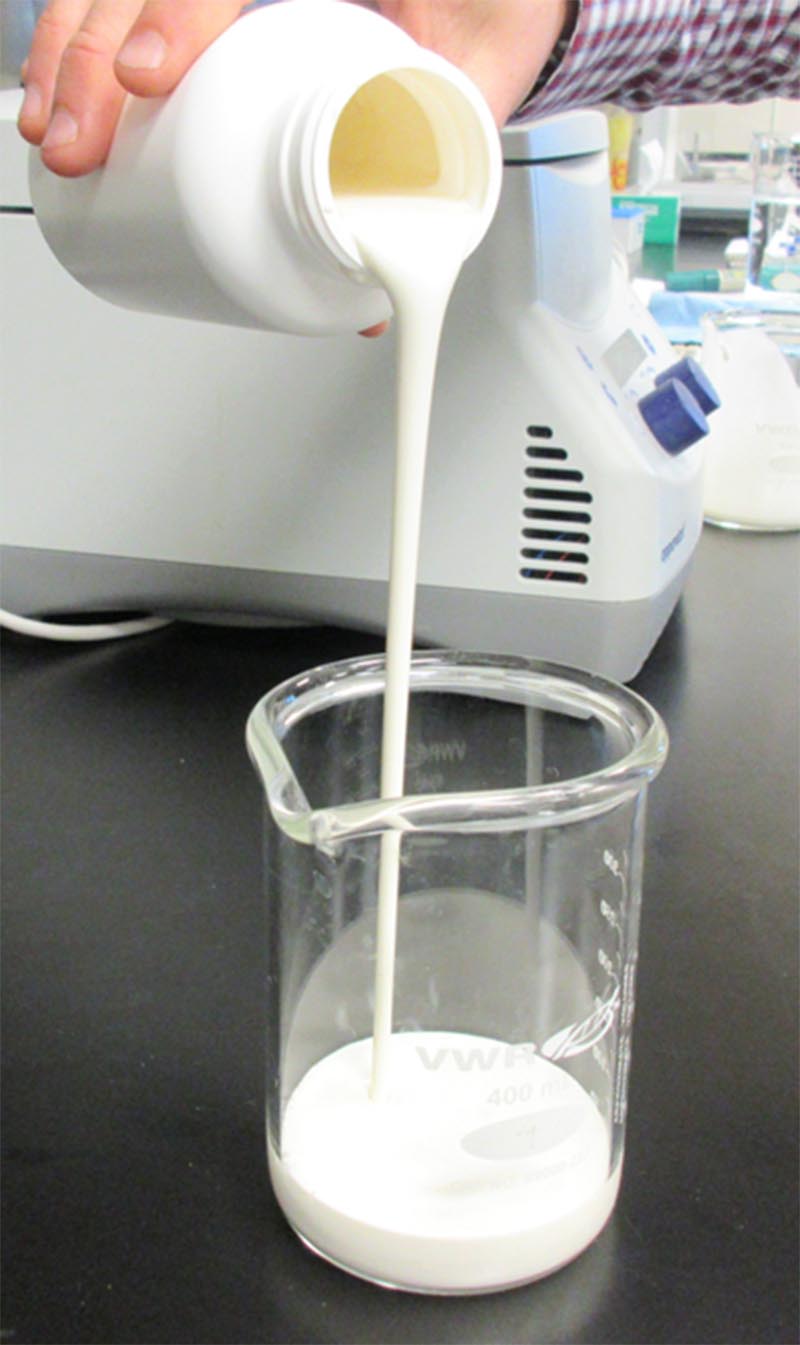
Preserving that native structure opens possibilities across a range of food applications where stability and texture are essential.
"By keeping oil within a stabilized natural membrane, oleosomes can provide useful functionality in applications that require emulsion stability, controlled viscosity, improved mouthfeel, and targeted fat delivery," he said.
Early application work has already produced encouraging results across several product categories. "We have seen that this native structure can perform well in different applications," Hargreaves said. "For example, oil bodies have increased creaminess and microfoam in beverages and have demonstrated potential in higher-fat uses such as plant-based meat and cheese. This multifunctionality remains an important area for ongoing research."
From lab bench to production line
Moving from laboratory-scale discovery to commercial production, however, has demanded far more than proving the science. Maintaining the integrity of a naturally occurring biological structure while manufacturing at industrial scale has presented a different set of challenges.
"The main challenge is to preserve the oleosome's natural structure while producing consistent performance at commercial scale," Hargreaves said. "Oilseeds are biological materials and can vary by crop, variety, growing conditions, and storage. This makes feedstock selection, process control, and product-specific testing essential."
Simply enlarging laboratory processes was never going to be enough.
"Scaling up is more than repeating a laboratory result on larger equipment," he said. "In fact, the replication of the effect of a lab basket centrifuge to a continuous flow manufacturing process is an engineering success of both our equipment providers and our production team."
Commercial ingredients must also meet requirements that extend well beyond technical performance.
"Ingredients must meet strict food safety and quality standards, stay stable during commercial production, withstand shipping and storage, and perform consistently in customers' manufacturing environments."
For Botaneco, solving those engineering and manufacturing challenges has been as important as understanding the science itself. The company's experience producing oleosome-based ingredients commercially has helped establish the process controls and quality systems needed to begin evaluating food applications at industrial scale, laying the groundwork for the next phase of development.
Commercialization through collaboration
As Botaneco's platform has matured, so too have conversations with the food industry. Rather than introducing a single ingredient to the market and hoping manufacturers find a use for it, the company has chosen to build its commercialization strategy around collaborative product development.
That reflects the reality that oleosomes do not behave like conventional vegetable oils. Their native structure creates opportunities that often become apparent only when they are evaluated within specific formulations.
"We are seeing both types of interest," Szarko said. "Some companies come to the discussion with a defined formulation problem, such as improving creaminess, stabilizing a high-fat system, simplifying an ingredient list, or reducing dependence on separate oils and emulsifiers. Others are interested in exploring functions that are harder to achieve with conventional ingredients."
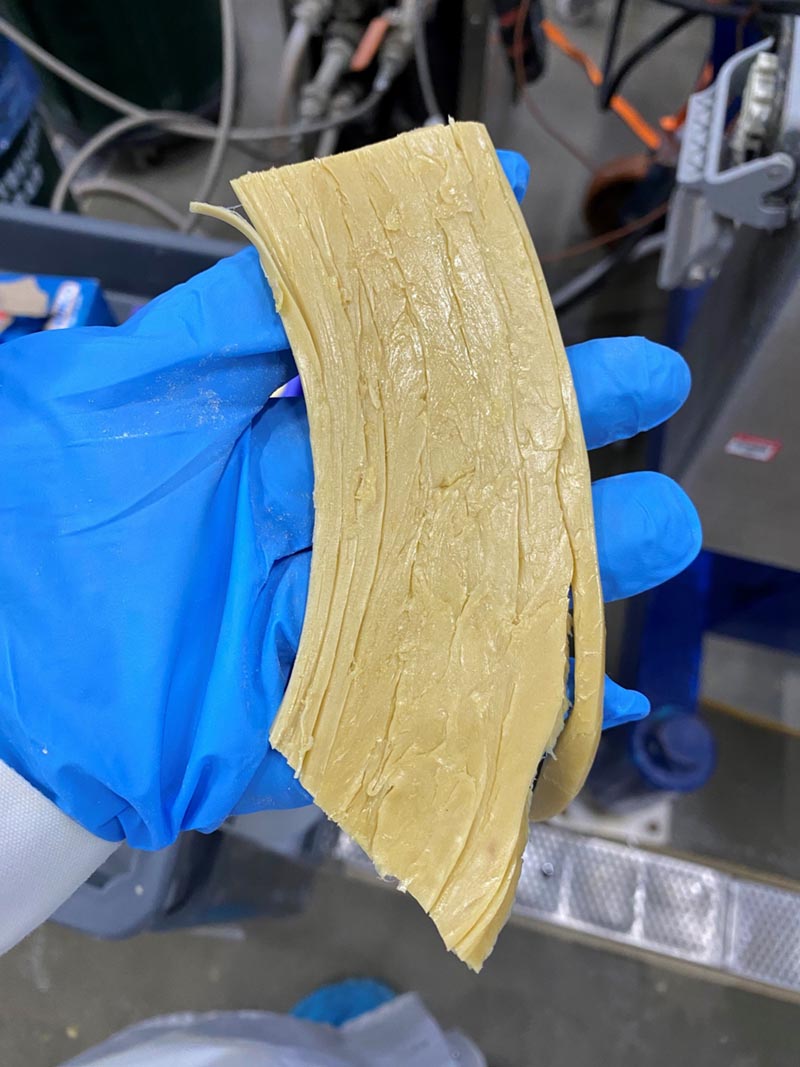
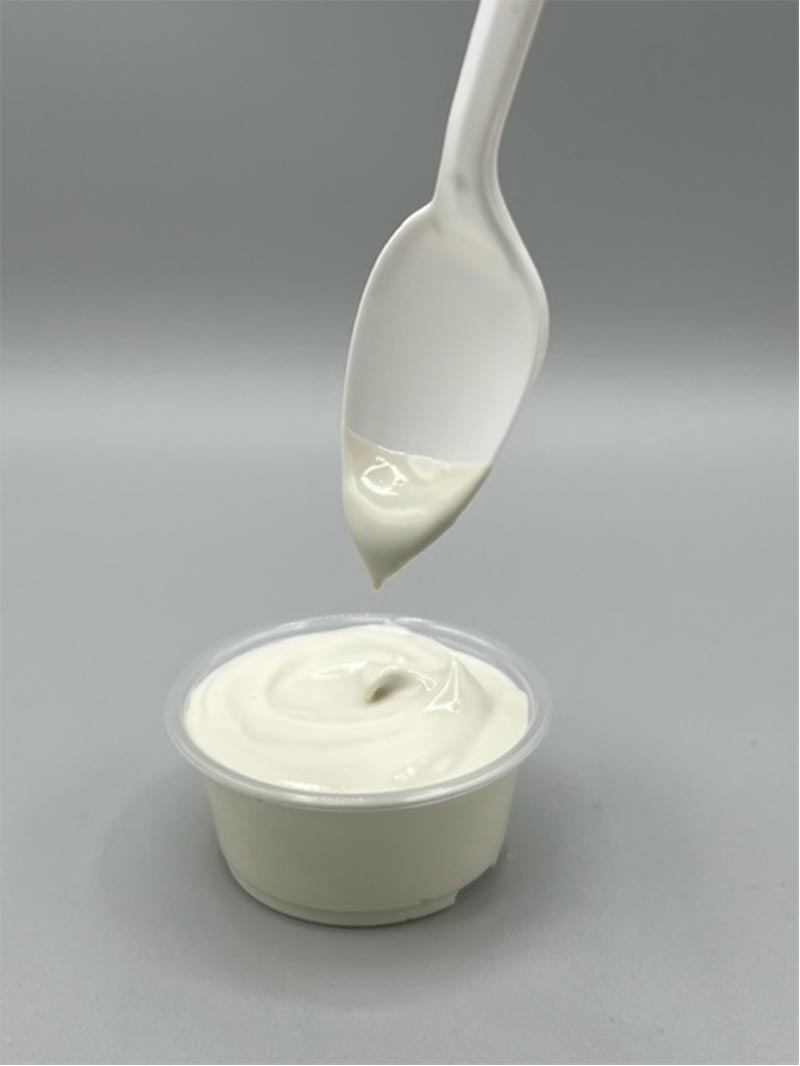
Those discussions have already expanded into a range of product categories. Development work has included plant-based and hybrid dairy applications, including beverages, creamers, yogurts, ice cream and soft cheeses, alongside evaluations in plant-based meat and cheese.
Some of the strongest results have come from beverages, where maintaining stability while delivering a rich sensory experience remains a persistent challenge.
"In beverage testing, oil-body formulations have shown increased creaminess and improved microfoam volume and stability compared to conventional oil-and-lecithin systems," Szarko said.
Protein remains essential, but product quality is not determined by protein content alone. Fat plays a major role in creaminess, lubrication, flavor release, aroma, juiciness, melting behavior, and overall satisfaction with the eating experience
Rather than pursuing a conventional ingredient launch, Botaneco expects many of its first commercial opportunities to emerge through close technical collaboration with manufacturers.
"The most promising opportunities are expected to come from co-development rather than a standard ingredient launch," he said. "Oleosomes do not behave the same as refined oils, so the best results come from working directly with manufacturers to understand their products, processes, and performance goals, and then identifying where the native oil-body structure adds value."
Rather than pursuing scale for its own sake, Botaneco is validating the platform application by application before expanding manufacturing capacity.
The conversations taking place with potential partners have gradually become more detailed as companies move beyond the initial question of whether the technology works to how it could fit within commercial production.
"Discussions range from early technical evaluation to more detailed conversations about applications, product requirements, and possible development paths," Szarko said. "We are focused on identifying where oleosomes provide a clear performance and commercial benefit, rather than launching broadly before product and market needs are well defined."
While the company is not disclosing the organizations involved, the nature of those discussions has changed significantly.
"We are not naming the organizations involved or describing the food platform as broadly commercial at this stage," he said. "However, discussions have shifted from general interest to practical questions about performance, product format, scale-up, and market access. Our goal is to work with partners who can bring application expertise, customer access, manufacturing capability, or other resources to support responsible commercialization."
Putting fat back in the spotlight
Those conversations also reflect a growing recognition that better plant-based foods depend on more than protein alone. Fats are increasingly being viewed as equally important to texture, flavor release and the overall eating experience.
Hargreaves believed that evolution was inevitable.
"Protein remains essential, but product quality is not determined by protein content alone," he said. "Fat plays a major role in creaminess, lubrication, flavor release, aroma, juiciness, melting behavior, and overall satisfaction with the eating experience. Many plant-based products have improved their protein composition while still struggling to reproduce the sensory experience consumers expect."
The challenge, he argued, is no longer simply deciding how much fat to include in a formulation, but understanding how that fat behaves throughout processing and consumption.
"The next phase of plant-based development will need more focus on how fats are structured and delivered, not just on total fat content," Hargreaves said. "This is especially important in dairy and meat alternatives, where fat behavior changes during preparation and eating."
That perspective also reflects Botaneco's broader view of oilseeds themselves. Rather than seeing them as a source of isolated commodities, the company believes they can become the foundation of multiple high-value ingredient streams.
"Oleosomes are relevant because they keep oil within a native plant structure, rather than providing it only as extracted oil," Hargreaves said. "This structure can support fat delivery, emulsification, and sensory qualities in a single ingredient. We view protein and fat as complementary parts of a broader oilseed platform, with each stream directed to the application where it adds the most value."
Ultimately, we hope Botaneco can help connect Canadian agriculture with higher-value ingredient innovation, while giving manufacturers new tools to develop plant-based products that perform well and meet consumer expectations
That philosophy extends beyond product functionality. Botaneco's water-based processing platform has been designed to recover intact oil bodies alongside proteins and other valuable co-streams, creating opportunities to make fuller use of Canadian oilseed crops across food, feed and personal care applications.
Looking ahead, Szarko sees success being measured by adoption rather than scale alone. The objective is not simply to build larger manufacturing facilities, but to establish oleosomes as a practical ingredient platform capable of solving real formulation challenges.
"In five years, we would like to see oleosome-based ingredients used commercially in selected food applications where they deliver a measurable advantage in texture, emulsification, mouthfeel, formulation simplicity or fat delivery," he said.
The company also hopes its processing approach will encourage a different way of thinking about agricultural raw materials.
"We also aim for the platform to show a more effective model for oilseed use. Rather than processing a crop mainly for one commodity, our approach is designed to recover several functional streams, such as intact oil bodies and seed protein, and direct them to higher-value uses in food, feed, and personal care."
Whether that vision is realized will depend on continued application development, expanded manufacturing and partnerships that bring complementary expertise across product development, production and market access. For Botaneco, the goal is straightforward: for oleosomes to become recognized not simply as an interesting biological structure, but as a practical ingredient platform for food manufacturers.
"Success would mean having a range of application-specific products developed with strategic partners, supported by expanded manufacturing capacity and reliable Canadian oilseed supply," Szarko said. "It would also mean that formulators see oleosomes as a practical ingredient platform, not just an interesting natural structure.
"Ultimately, we hope Botaneco can help connect Canadian agriculture with higher-value ingredient innovation, while giving manufacturers new tools to develop plant-based products that perform well and meet consumer expectations."

Join Us At One Of Our Upcoming Events

If you have any questions or would like to get in touch with us, please email info@futureofproteinproduction.com

More News