

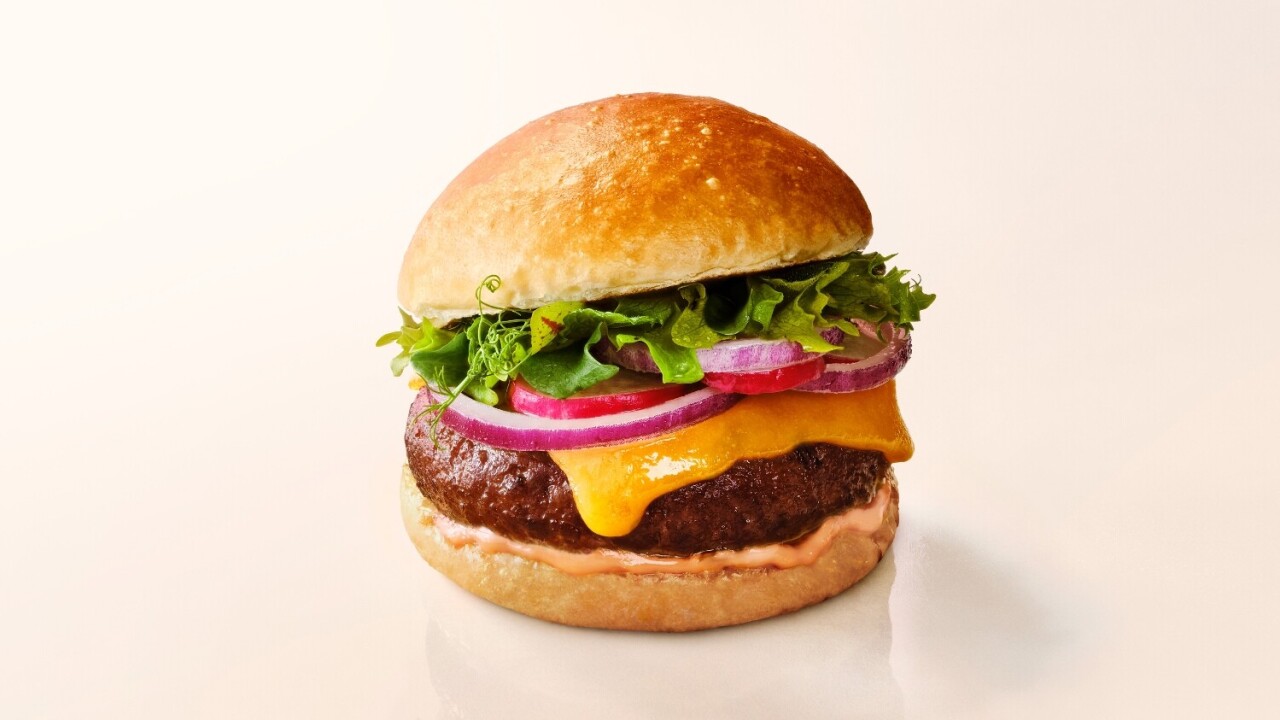
Mosa Meat secures fresh funding and slashes costs as commercial launch moves closer

Mosa Meat has secured an additional €15 million (US$16.5 million) in funding, extending a financing push that has brought a total of €58 million (US$63.8 million) into the company over the past two years as it prepared for its first commercial launch.
The Maastricht-based cultivated beef pioneer reported that the funding extension followed a previously completed €40 million (US$44 million) round and a crowdfunding campaign, both of which exceeded their original targets. The latest capital injection included continued support from Dutch state-owned impact investors Invest-NL, backed by a guarantee from InvestEU, and LIOF, alongside strategic partner PHW Group and Jitse Groen, founder and CEO of Just Eat Takeaway.com.
Mosa Meat reported that the new financing strengthened its outlook for the coming years and would support the next phase of regulatory approvals and the transition toward first meaningful revenues.
“When we introduced the first cultivated burger, it was a €250,000 (US$275,000) proof of concept. Today, through fundamental scientific breakthroughs and scaling efficiencies, we are producing burgers at a price point ready for restaurant menus,” commented Maarten Bosch, CEO of Mosa Meat. “With the backing of our world-class investors, we have successfully turned a science project into a tasty and affordable product without compromising on our original vision.”
Alongside the funding extension, Mosa Meat disclosed a major commercial milestone: a 99.999% reduction in production costs compared with the world’s first cultivated beef burger unveiled in London in 2013. The company described the achievement as a critical step toward making cultivated beef viable for restaurant menus and, eventually, wider consumer markets.
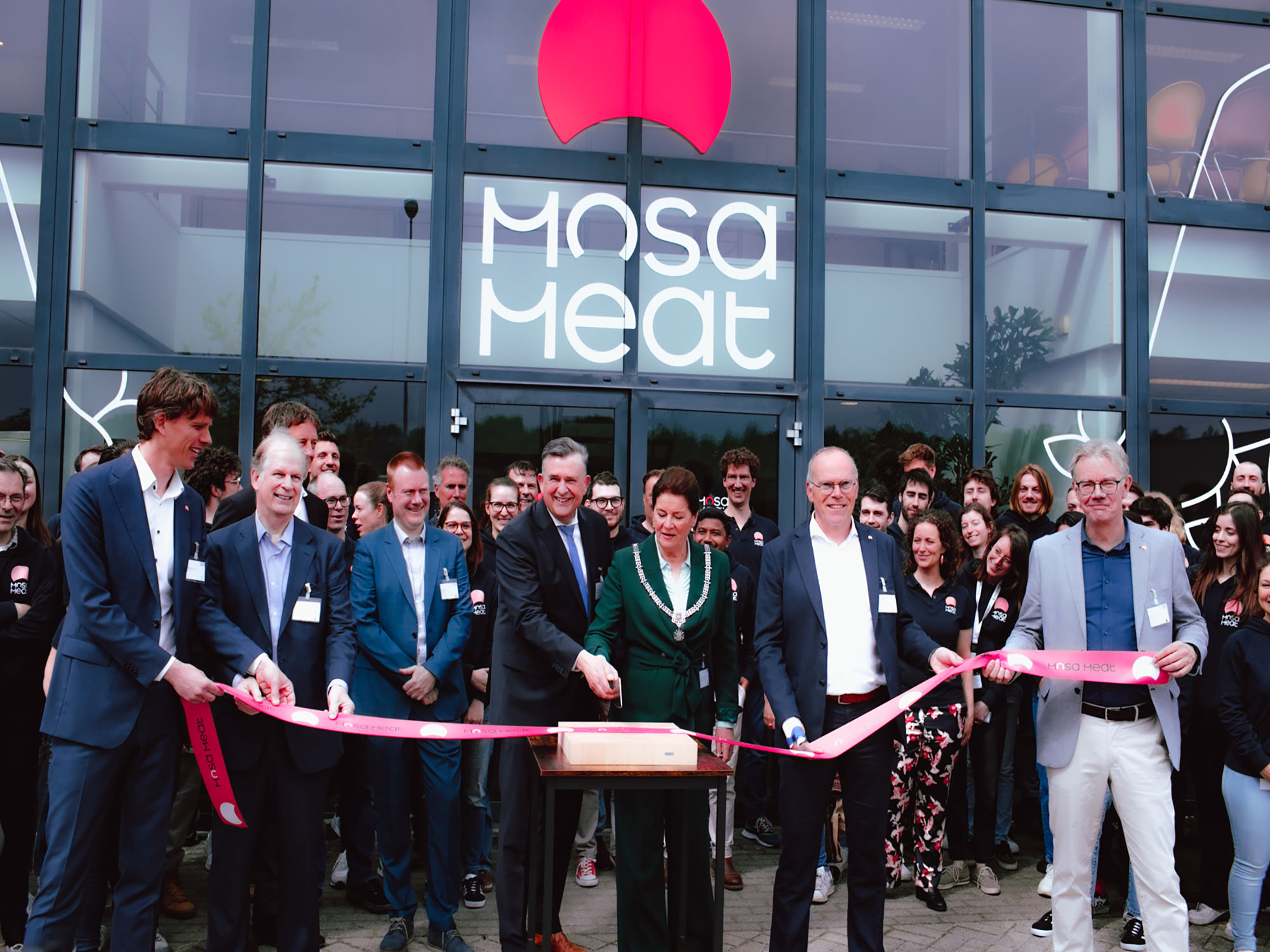
“Cultivated meat is an important component in the protein transition needed to reduce the impact of livestock farming,” added Victor Meijer, Investment Principal at Invest-NL. “As in any emerging sector, investing in cultivated meat is challenging and requires stamina. Mosa Meat has built a strong foundation and is taking clear steps toward commercialization. The company’s strong team, solid progress and continued support from existing shareholders give us confidence to continue our support in this next phase.”
The funding news capped a relatively active year for Mosa Meat on the regulatory front. In May, the company formally submitted its first request for market authorization in the UK, focusing on cultivated beef fat as an ingredient in hybrid products that combine animal-cell-derived components with plant-based ingredients. The application was filed through the Food Standards Agency’s newly launched regulatory sandbox program, supported by the Department for Science, Innovation and Technology.
“We are thankful to the Food Standards Agency for engaging in valuable pre-submission consultations with our food safety team,” Bosch said at the time. “We included their valuable feedback and have submitted our cultivated beef fat dossier for formal review. In essence, the regulatory sandbox is already making an impact on attracting innovative companies like ours to the UK market.”
Bosch described fat as “the soul of flavor”, explaining that Mosa Meat’s cultivated fat was intended to enhance both the company’s own burgers and plant-based products that often struggle to replicate the sensory experience of conventional meat.
Earlier in the year, Mosa Meat also expanded its regulatory reach by submitting a novel food application in Switzerland, supported by Bell Switzerland. The submission followed less than a month after the company became the first to file a cultivated beef dossier in the European Union.
“Thousands of hours of work by our employees and analyses by six independent laboratories have gone into this dossier, and we have the utmost confidence that Swiss regulators will find our product exceeds the robust safety standards of their novel foods law,” Bosch said.
Across these submissions, Mosa Meat has emphasized cultivated fat as an initial route to market, enabling hybrid products that combine cultivated and plant-based ingredients while laying the groundwork for fully cultivated beef products in the future.
The company reported that regulatory dossiers were now under review in the UK, the European Union, Switzerland, and Singapore. It was also recently selected as one of eight companies to participate in the UK’s regulatory sandbox program.
Mosa Meat’s progress comes at a challenging moment for the cultivated meat sector. In recent weeks, the industry has been shaken by the closures of Believer Meats’ US operations and Meatable’s decision to wind down activities, highlighting the financial and operational pressures facing companies working to scale capital-intensive technologies amid a difficult funding environment.
Against that backdrop, Mosa Meat has continued to engage closely with policymakers and industry stakeholders in the Netherlands. Working alongside the Cellular Agriculture Netherlands foundation, the company was recently named as a participating partner in a strategic climate technology initiative outlined in the Dutch government’s Wennink Report, positioning it to benefit from aligned public-private financing and regulatory support.
Mosa Meat has consistently framed cultivated meat as a tool to strengthen Europe’s food system by reducing reliance on imports, improving food sovereignty, and building more resilient supply chains. The company has also cited independent, peer-reviewed life cycle assessments suggesting that cultivated beef could reduce greenhouse gas emissions by up to 93%, land use by 95%, and water consumption by 78% compared with conventional beef production.
As regulatory reviews progressed and cost reductions continued, Mosa Meat reported that it remained focused on translating more than a decade of research into products ready for commercial kitchens. With fresh capital secured and multiple approval processes underway, the company entered the coming year with a stronger balance sheet and a clearer path toward market entry, even as the wider sector navigated a period of consolidation and uncertainty.

Join Us At One Of Our Upcoming Events

If you have any questions or would like to get in touch with us, please email info@futureofproteinproduction.com


