

Mississippi bans cell-cultured dairy in first-of-its-kind US law

Mississippi has become the first US state to ban cell-cultured dairy products, introducing legislation that blocks the manufacture and sale of lab-grown milk while tightening labeling rules across the alternative protein sector.
• Mississippi enacted House Bill 1153, banning the manufacture and sale of cell-cultured dairy products, including lab-grown milk, making it the first state to do so.
• The law also introduced stricter labeling rules for alternative proteins and expanded enforcement powers for regulators.
• The ban, which takes effect July 1, 2026, passed with bipartisan support and did not require the governor’s signature.
The new law, House Bill 1153, defined a cell-cultured dairy product as one “derived from animal cells cultured outside of a live animal” and stated that “no person shall manufacture, sell or offer for sale in this state any cell-cultured dairy product”. In practice, this meant that products designed to replicate milk without the use of cows, even if biologically similar, would not be permitted in Mississippi’s market.
The legislation formed part of a broader regulatory push that extended beyond dairy. It introduced expanded definitions and stricter disclosure requirements for both meat and dairy alternatives, while giving regulators additional authority to enforce compliance. This included the ability to issue stop-sale and embargo orders, alongside civil penalties of up to US$500 per day for violations.
The law also addressed how alternative protein products are described and marketed. It prohibited the misbranding of these products as traditional meat or dairy and required the use of clear qualifying terms such as 'plant-based' or 'lab-grown' on labels. Public institutions, including schools and universities, were also required to adopt procurement policies that excluded such products.
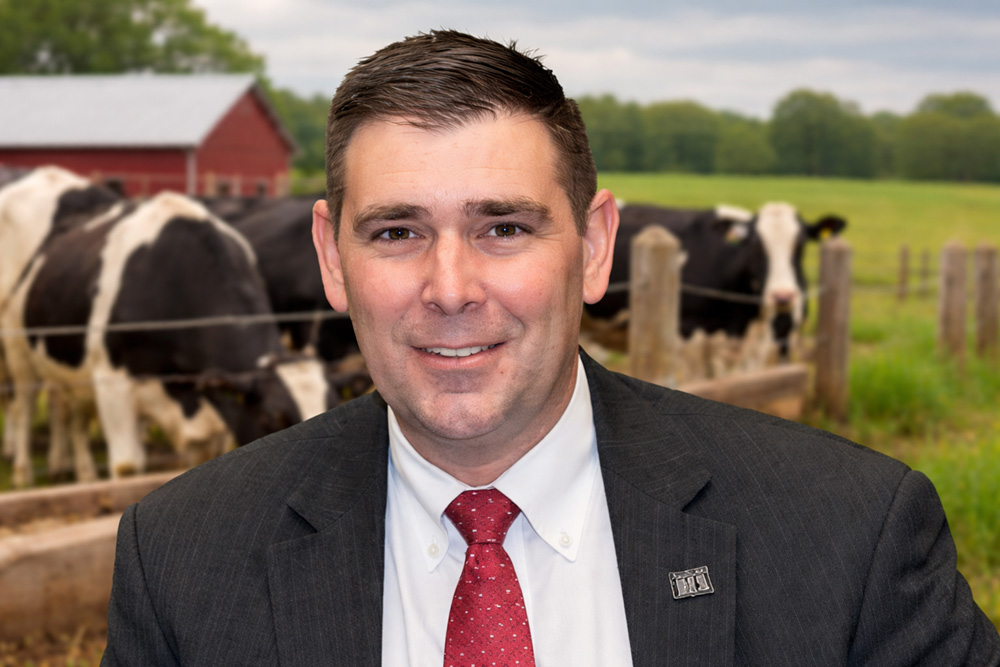
Supporters of the measure presented it as a step to protect both traditional agriculture and consumer clarity. Mississippi Agriculture Commissioner Andy Gipson said the legislation responded to growing concerns about the rise of synthetic or lab-produced foods.
“We are living in a time where it seems everything is artificial, and you wonder what is real … they’ve come up with lab-grown, or fake, milk,” Gipson said. “So, today, we’re especially proud … to promote real food for real people.”
He also pointed to the potential impact on the state’s dairy industry, describing the legislation as a win for “the roughly 50 remaining dairy farms operating in Mississippi”.
The bill passed with bipartisan support in the state legislature and became law without the governor’s signature. Its provisions are scheduled to take effect on July 1, 2026, giving companies and retailers a limited period to adjust their operations and product offerings in line with the new requirements.
By introducing a direct ban on cell-cultured dairy, Mississippi moved ahead of other US states that have focused primarily on labeling restrictions or definitions for alternative proteins. The legislation marked a more expansive approach, combining outright prohibition with broader regulatory changes across the category.
The Food and Drug Administration has not yet approved any cell-cultured dairy products for sale in the USA, meaning commercial activity in this area has remained limited. However, the Mississippi law set a precedent for how individual states may choose to regulate emerging food technologies at a local level.
The combination of a product ban, stricter labeling rules, and expanded enforcement powers signaled a more interventionist stance toward alternative proteins, particularly those developed through cellular agriculture.

Join Us At One Of Our Upcoming Events

If you have any questions or would like to get in touch with us, please email info@futureofproteinproduction.com


