

LIKE-A-PRO pilots reveal what helps alternative proteins win repeat consumers

European behavioral pilots have found that making alternative proteins more visible and accessible can encourage consumers to try them, but taste, texture, price and convenience remain central to whether they come back for more.
Conducted through the LIKE-A-PRO project, the pilots tested different approaches to understand how consumers can be supported in discovering, trying and incorporating alternative protein products into their everyday diets.
• LIKE-A-PRO's European pilots found that changing food environments can make alternative proteins easier to notice and choose, particularly when consumers retain freedom of choice.
• Visibility can encourage consumers to try unfamiliar products, but taste, texture, price, convenience and trust remain decisive factors in securing repeat consumption.
• Communication around enjoyment, health and sustainability performed better than pressure or negative messaging, particularly when consumers were given practical opportunities to act on the information.
The findings suggest that getting alternative proteins in front of consumers is only part of the challenge. How products are presented, the choices available alongside them and what happens when somebody actually eats the food can all affect whether an initial trial develops into regular consumption.
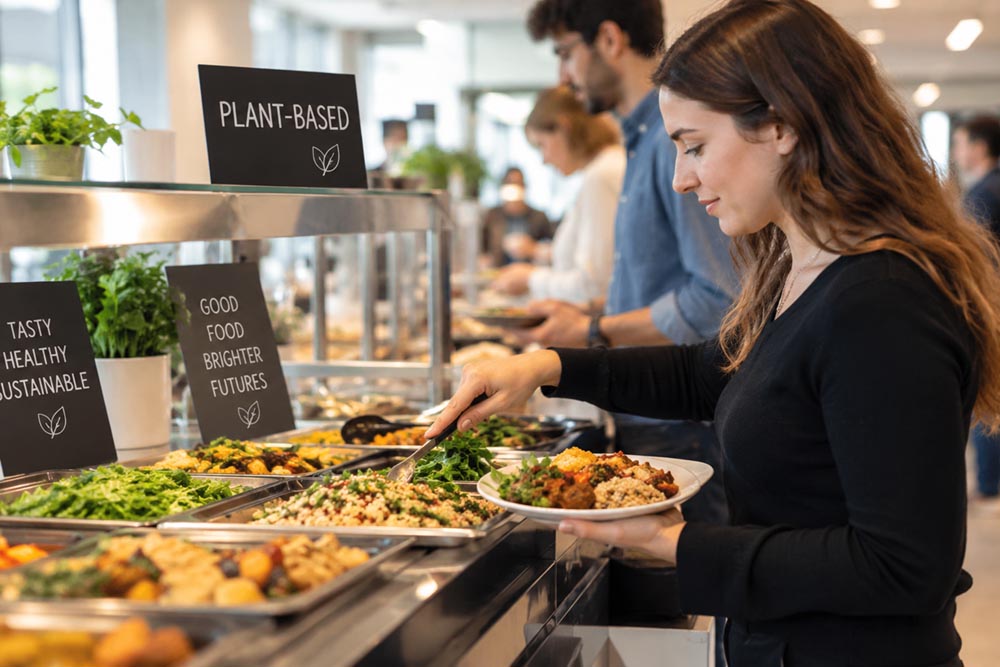
Food environments were one area examined by the project. In canteens, gradually reducing meat-based options while increasing the visibility of plant-based meals increased awareness and supported plant-based meal selection.
However, the pilots also found limits to how far those interventions could go. Changes perceived as restricting consumers' choices could generate resistance, while gradual approaches that maintained autonomy and offered attractive alternatives were more likely to be accepted.
That makes the way an intervention is designed important. Making an alternative easier to see or select can influence a decision without removing other options, giving consumers an opportunity to make the choice themselves.
Visibility and accessibility can also help overcome one of the first hurdles facing unfamiliar foods: getting somebody to try them in the first place.
But LIKE-A-PRO's findings indicate that a successful first trial does not necessarily translate into longer-term adoption. Once consumers have experienced the product, more familiar food purchasing considerations come into play.
Taste, texture, price, convenience and trust were identified as decisive factors in whether people returned to alternative protein products. Greater exposure may therefore increase the number of people willing to experiment, but the product still has to give them a reason to choose it again.
Communication formed another part of the behavioral pilots. Messages focusing on enjoyment, health, sustainability or shared benefits performed better than approaches based on pressure or negative framing.
Here too, the findings suggest that communication alone has its limits. Its effect was greater when consumers were also given practical ways to act on what they had been told.
That could mean providing access to appealing products, recipes and preparation knowledge, as well as creating food environments in which alternative proteins are readily available. Rather than simply telling consumers about a product or its potential benefits, these approaches give them an opportunity to experience it for themselves.
The behavioral pilots sit alongside LIKE-A-PRO's Living Labs, which have also explored consumer engagement with alternative proteins. Together, the work examines both what can encourage people to make an initial choice and what may prevent that choice from becoming part of their normal diet.
The results point away from relying on a single intervention. Communication can create interest, but consumers need access to the products. Visibility can encourage trial, but the experience has to be good enough to support repeat consumption. Changes to the food environment can influence selection, but may be less effective if people feel their choices are being restricted.
For companies developing alternative protein foods, that places the product itself alongside the environment in which it is sold or served. An appealing product can still struggle if consumers rarely encounter it or do not know how to use it, while prominent placement and effective communication cannot compensate for disappointing taste, texture or value.
LIKE-A-PRO concludes that wider uptake requires coordinated action across the food system, combining attractive products, supportive food environments, credible information and opportunities for repeated positive experiences.
The findings also underline a practical difference between persuading somebody to try an alternative protein and convincing them to make it part of their diet. The first can be encouraged by visibility, accessibility and communication. The second still depends heavily on whether the food delivers when it reaches the plate.
If you liked this, check these out...
• V-Label tops consumer preference in Swissveg study on vegan product labeling
• Cultivated meat labeling study finds consumers prefer ‘cultivated’ over ‘lab-grown’ in USA and Germany
• Meatless survey finds UK consumers open to hybrid meat when taste and protein deliver

Join Us At One Of Our Upcoming Events

If you have any questions or would like to get in touch with us, please email info@futureofproteinproduction.com


