
Lidl GB surpasses fiber and plant-based targets as it accelerates shift toward the Planetary Health Diet

Lidl GB has reported major progress across its sustainability agenda as it released its fifth annual report, Beyond the Basket, confirming that it had exceeded several of its health and environmental goals ahead of schedule. The update, published on 13 November, highlighted strong momentum behind the retailer’s strategy to make healthier and more sustainable foods accessible at low prices, while deepening commitments across sourcing, waste reduction, energy use, and community investment.
One of the most significant milestones came from Lidl’s push to increase national fiber intake. Over the past year, the retailer expanded its range of fiber-rich products and introduced monthly discounts of up to 30% on wholegrain items for Lidl Plus users. The result was a 21.9% rise in fiber tonnage, enabling Lidl to surpass its industry-leading goal to increase fiber sales by 20% by 2026, achieving the target two years early. Wholegrains accounted for 15.3% of all grain sales, up from 12.9% in FY23/24, with the company aiming for 25% by 2030.
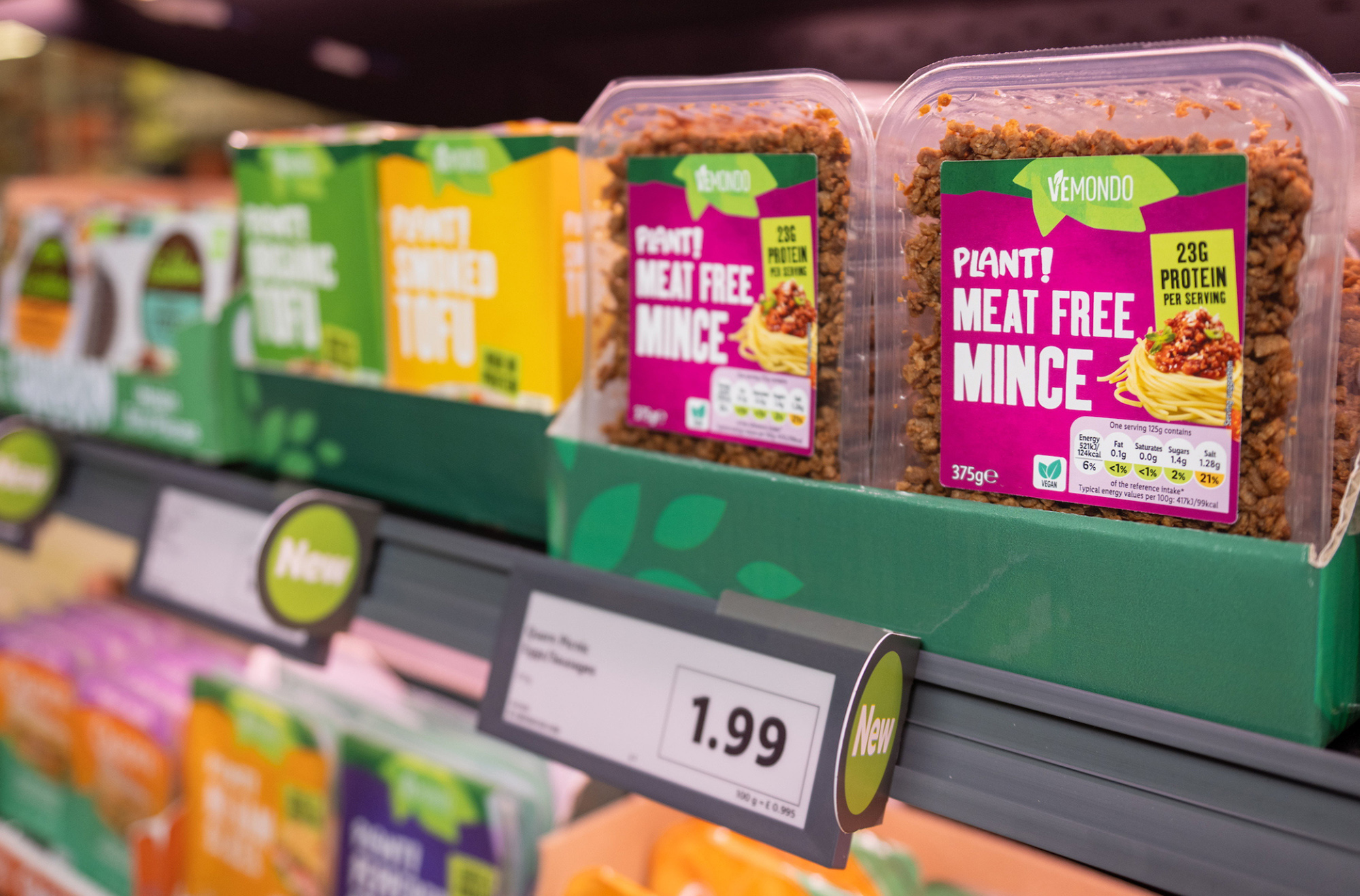
Lidl also reported striking gains in its plant-based portfolio. It exceeded its 2025 target for own-label meat-free products and alternative plant-based milks, registering a 694% increase against a 400% goal. These milestones supported Lidl’s broader commitment to increase plant-based food sales by 20% by 2030, a target aligned with the EAT-Lancet Planetary Health Diet and the company’s ambition to reach net-zero emissions by 2050. The retailer said the figures demonstrated that healthier and more sustainable diets were gaining mainstream traction with its customer base.
To help accelerate these changes across the wider food system, Lidl hosted an industry convening aligned with the Planetary Health Diet framework. The event brought together farmers, academics, industry leaders, and food system experts to explore practical, scalable actions that support the shift toward diets with lower environmental impact. The retailer became the first in Britain to align its strategy with the framework, which calls for a global transition to healthier and more sustainable eating patterns to address climate and public health pressures.
Richard Bourns, Chief Commercial Officer at Lidl GB, said the company’s progress reflected long-term commitments with measurable outcomes. “Aligning our strategy with the Planetary Health Diet is a long-term commitment to building a healthier, more sustainable food system. It’s delivering measurable impact – beyond the basket – by making healthy and sustainable food more accessible and affordable,” he said. “The progress outlined in our report shows we’re matching growth with real sustainability progress. From sourcing materials responsibly and reducing emissions, to investing in British farming, we’re proving sustainability and value go hand-in-hand. Our customers expect us to lead with purpose, and we’re proud to be doing just that. By embedding sustainability into the heart of our operations, we’re not only protecting the planet – we’re supporting communities, empowering suppliers, and delivering the quality and value our customers rely on every day.”
Alongside its nutrition-focused work, Lidl said it continued to strengthen environmental performance across sourcing, packaging, logistics, and energy. The company reported that 98% of its identified critical raw materials now come from verified sustainable sources, with a target of reaching 100% by the end of 2025. It sold the highest volume of own-brand Fairtrade cocoa among UK grocery retailers for the seventh consecutive year and remained on track to reduce own-label plastic packaging by 40% by 2026, with recyclability rates already at 95%.
The company also detailed actions to reduce emissions and invest in renewable energy. Lidl cut Scope 1 and 2 emissions by 11.4% compared with 2019 and now sources 100% renewable electricity. As part of a new five-year agreement, Lidl committed to buying 100GWh of electricity annually from RWE’s Gwynt y Môr wind farm, equivalent to the consumption of 37,000 medium-sized UK homes. The retailer said this would help avoid 17.7 million kg of CO2e emissions each year.
Operational changes were another area of focus. The company reported that switching to vacuum-packed mince had cut plastic use by 63%, saving 250 tonnes annually, while also halving in-store food waste. Lidl invested £100,000 (US$128,000) in water catchment projects to improve water quality and support sustainable water management across its agricultural supply base.
Community impact remained central to Lidl’s approach. In FY2024, the retailer donated 18.5 million meals to more than 2,800 charities and community groups through its surplus redistribution programs. It also invested £650,000 (US$832,000) over two years in its fruit and vegetable education initiative, Lidl Foodies, which reached more than 12% of British primary schools and engaged more than 240,000 children.
Positioned under its sustainability vision of Better Living, Every Day, the report showed how Lidl continued to combine affordability with long-term environmental and social goals. With progress ahead of schedule in multiple areas, the retailer said it would continue expanding initiatives that promote healthier diets, support British farming, strengthen responsible sourcing, and reduce environmental impact across its operations.

Join Us At One Of Our Upcoming Events

If you have any questions or would like to get in touch with us, please email info@futureofproteinproduction.com


