

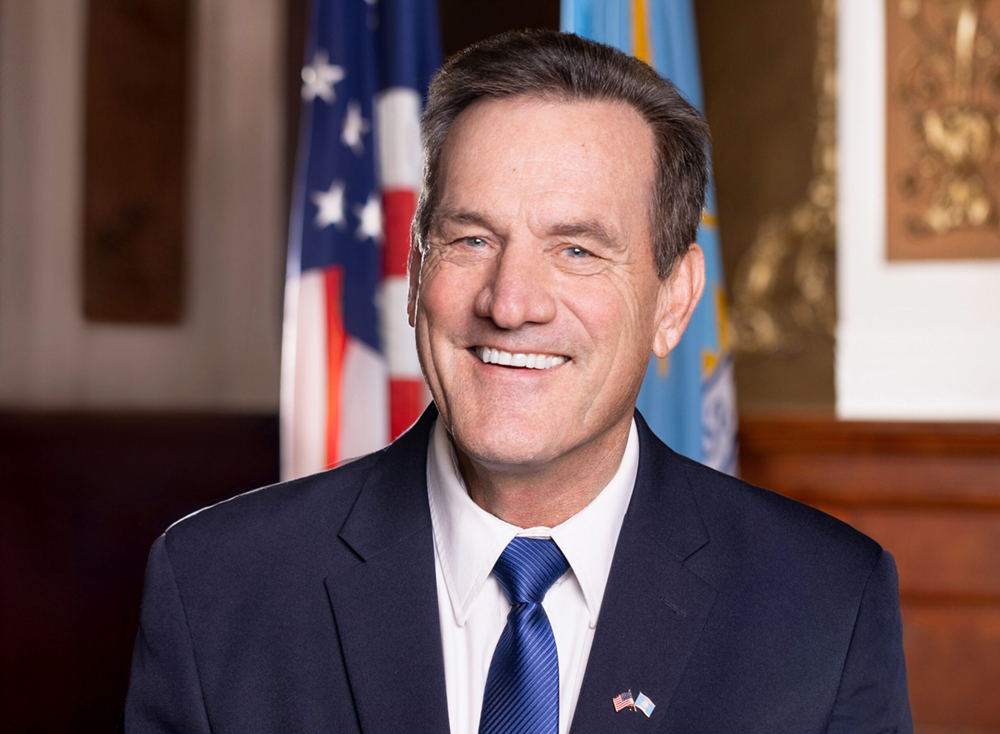
Larry Rhoden steered South Dakota toward a pause, not a ban, on cell-cultivated protein

South Dakota Governor Larry Rhoden has moved to defuse a fast-escalating political fight over cell-cultivated protein, vetoing a proposed ban and instead backing a narrower compromise that would temporarily pause the category while legal and regulatory questions continued to unfold.
• Governor Larry Rhoden vetoed House Bill 1077, which would have banned cell-cultivated protein products in South Dakota.
• He backed an amended version of Senate Bill 124 that proposed a five-year temporary moratorium rather than a permanent ban.
• Major agricultural and retail groups in South Dakota sent letters supporting the governor’s veto and compromise approach.
The decision, announced on February 9, placed South Dakota among a small but growing group of states wrestling with how to respond to cell-cultivated protein as the technology edges closer to commercialization in the USA. Rather than drawing a hard line, Rhoden opted for a middle path that rejected an outright prohibition while stopping short of full market access.
In a letter to the state legislature, the governor made clear that his decision was not driven by personal enthusiasm for the products themselves. “While you won’t catch me eating these products, it is against our values to ban products just because we don’t like them,” Rhoden wrote. He added that House Bill 1077 “need not be the last word on this issue this Session,” laying the groundwork for a negotiated alternative.
That alternative centered on Senate Bill 124, which Rhoden supported in amended form. Rather than banning cell-cultivated protein, the revised bill would impose a five-year temporary moratorium, allowing time for further study within existing regulatory frameworks and for related litigation in other states to progress.
The governor framed the move as a way to reduce legal risk while remaining aligned with South Dakota’s broader political and economic principles. “This approach respects constitutional limits, reduces the risk of unnecessary litigation, and preserves South Dakota’s long-standing commitment to free markets and agricultural leadership,” Rhoden wrote. “Government is best when it is limited. We should respect the freedoms of our people, and we should not set precedent that violates our own values.”
The veto of House Bill 1077 was notable given the bill’s backing among lawmakers concerned about the potential impact of cell-cultivated protein on traditional livestock producers. Similar arguments have surfaced in other states, where proponents of bans have cast the technology as a threat to rural economies, food identity, and consumer transparency.
Rhoden’s response acknowledged those concerns without endorsing a permanent exclusion of the technology. By proposing a moratorium rather than a ban, the governor sought to create breathing room for policymakers while avoiding a legal confrontation that could have placed the state on uncertain constitutional footing.
Support for the governor’s decision quickly emerged from influential agricultural and business groups within the state. The South Dakota Farm Bureau, the South Dakota Cattlemen’s Association, and South Dakota Retailers all sent letters backing the veto of House Bill 1077. The South Dakota Stockgrowers Association also voiced support for the compromise approach outlined by the governor.
That alignment was significant. In other states, debates over cell-cultivated protein have often split agricultural groups, with some calling for bans and others urging caution over regulatory overreach. In South Dakota’s case, the show of unity around Rhoden’s veto suggested broad concern about the risks of an outright prohibition, particularly the prospect of costly and prolonged litigation.
The governor’s decision also reflected the wider national context. Cell-cultivated protein products have already cleared federal safety reviews in the US, placing primary regulatory authority at the federal level. State-level bans have therefore raised questions about interstate commerce, preemption, and constitutional limits, issues that remain unresolved as court challenges move forward elsewhere.
By opting for a temporary pause, Rhoden positioned South Dakota to observe how those legal questions were resolved before locking in a long-term policy stance. The five-year timeframe proposed under the amended Senate Bill 124 was designed to allow space for court decisions, regulatory clarity, and market developments to emerge.
The move came amid an active legislative session for the governor. Rhoden had signed nine bills into law and vetoed one during the session, with House Bill 1077 standing out as the most politically charged. The veto underscored his willingness to break with a more hardline approach in favor of what he described as a constitutionally cautious compromise.
For now, the future of cell-cultivated protein in South Dakota remained on hold rather than off the table. Rhoden’s intervention shifted the debate away from an immediate ban and toward a longer conversation about how, and whether, the technology ultimately fit within the state’s agricultural landscape.

Join Us At One Of Our Upcoming Events

If you have any questions or would like to get in touch with us, please email info@futureofproteinproduction.com


