ITQB NOVA joins €5.7M ALGANOVA project to advance microalgae-derived food ingredients

ITQB NOVA has joined ALGANOVA, a €5.7 million (US$6.6 million) Horizon Europe project that will develop sustainable methods for producing proteins, healthy fats and carotenoids from microalgae using industrial CO₂ and agro-marine by-products.
• ITQB NOVA joined the €5.7 million (US$6.6 million) Horizon Europe-funded ALGANOVA project, coordinated by Spain's Idener Research & Development.
• Researchers will study Portuguese microalgae and alternative growth substrates to improve biomass production and lower cultivation costs.
• The four-year project aims to cut greenhouse gas emissions, reduce freshwater use and increase the use of industrial and agricultural by-products.
ALGANOVA aims to develop and validate an integrated, computationally assisted circular biorefinery capable of producing proteins and other high-value food ingredients from microalgae. The project will combine industrial CO₂ with agro-marine by-products as feedstocks, creating a production system designed to convert waste streams into valuable ingredients while reducing the environmental footprint of food production.
At ITQB NOVA, the research will be led by Francisco Nascimento, auxiliary researcher and 'la Caixa' Fellow at the institute. The team will optimize microalgae cultivation while carrying out genomic and transcriptomic analyses to better understand the organisms and improve their industrial application.
"We are going to study microalgae collected from Portuguese rivers, including Lima, Arado, and Zêzere, to evaluate their potential for producing biomass and other valuable products. We will also investigate how alternative growth substrates can increase biomass production and reduce production costs," Nascimento said.
The researchers will assess native Portuguese microalgae for their ability to produce biomass, protein and other valuable compounds while investigating whether alternative growth substrates can improve productivity and lower production costs.
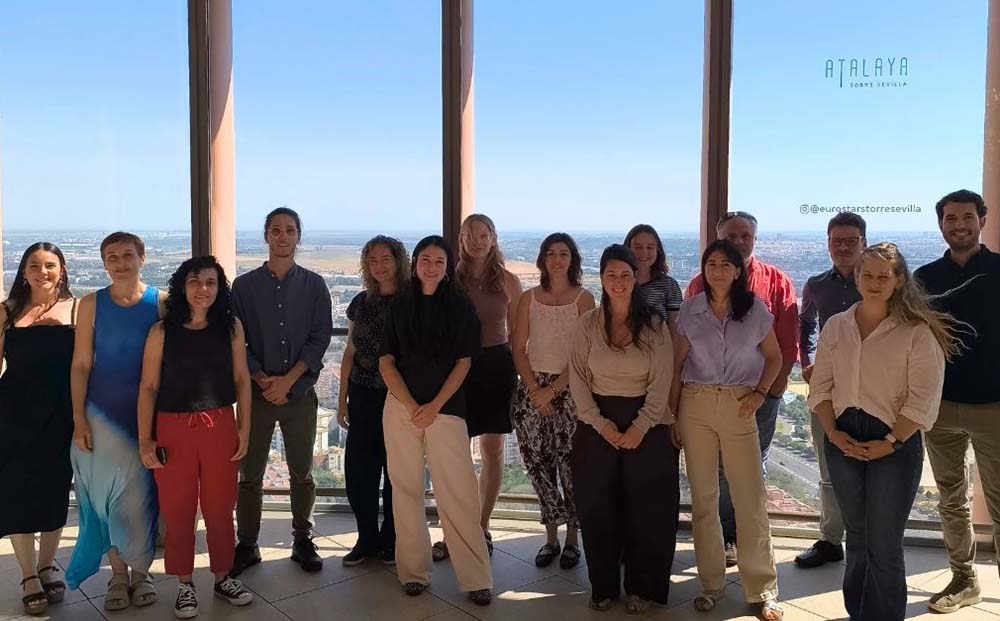
Coordinated by Spain's Idener Research & Development, the consortium brings together 12 research and industry partners and will run from June 1, 2026, until May 31, 2030. The project is funded through Horizon Europe and the Circular Bio-based Europe Joint Undertaking (CBE JU).
By the end of the project, the consortium expects the algae-based biorefineries to reduce greenhouse gas emissions by at least 40% per kilogram of protein compared with conventional animal protein production. It also aims to reduce freshwater consumption to around 300 liters per kilogram of protein, substantially below soy and animal protein production, while upcycling up to 95% of agro-marine by-products.
The project addresses growing interest in alternative protein sources as Europe seeks to reduce the environmental impact of food production and make greater use of circular manufacturing systems.

Join Us At One Of Our Upcoming Events

If you have any questions or would like to get in touch with us, please email info@futureofproteinproduction.com

More News