
Impossible Foods teams up with EQUII to push protein beyond the patty

Impossible Foods confirmed it had entered into a strategic partnership with food tech startup EQUII, expanding its innovation portfolio to include protein-rich grain-based foods such as breads and pastas as consumer demand for protein continued to rise.
• Impossible Foods entered a strategic partnership with EQUII to develop protein-rich plant-based grain products.
• The collaboration focused initially on breads and pastas made using EQUII’s yeast-powered fermentation process.
• The partnership was announced shortly after updated US Dietary Guidelines emphasized increased protein intake.
The collaboration was announced publicly by Impossible Foods President and Chief Executive Officer Peter McGuinness, who shared the news via LinkedIn. While commercial and rollout details remained undisclosed, the partnership signaled a move by Impossible to extend its protein strategy beyond meat analogs and into staple carbohydrate-based foods.
“Impossible products are some of the most delicious, high-quality, complete sources of plant-based protein on the market,” McGuinness wrote. “Today, I’m excited to share that our innovation portfolio is expanding as a result of our new strategic partnership with EQUII.”
According to McGuinness, the collaboration would allow Impossible Foods to increase protein delivery in ways that complemented its existing plant-based meat products, beginning with select grain-based foods. “Teaming up with EQUII will allow us to deliver even more protein in a way that’s complementary to our existing plant-based proteins, starting with select grain-based breads and pastas,” he said.
Impossible Foods has built its business around plant-based meat alternatives designed to replicate the taste, texture, and nutritional profile of animal-derived products. The partnership with EQUII marked a broader interpretation of where protein innovation could sit within a plant-based diet, extending beyond the center-of-plate protein and into everyday foods such as bread and pasta.
“Protein shouldn’t stop at the patty and now it doesn’t have to,” McGuinness wrote. “Imagine having a burger where you can get meaningful protein from both the patty and the bun, bringing even more nutritional value.”
Founded in 2021, EQUII developed a fermentation-based approach to increasing protein content in grains using yeast. The company’s process drew on techniques similar to those used in traditional cheese or yogurt production, applying microbial fermentation to grains such as oats, sunflower and flax seeds, millets, and quinoa.
During fermentation, yeast was added to the grain substrate, where it broke down starches and sugars and converted them into a protein-rich biomass. The process took place in fermentation tanks containing wet microbial and plant biomass, which then underwent further processing steps to refine the proteins and ensure they performed as required in finished food products.
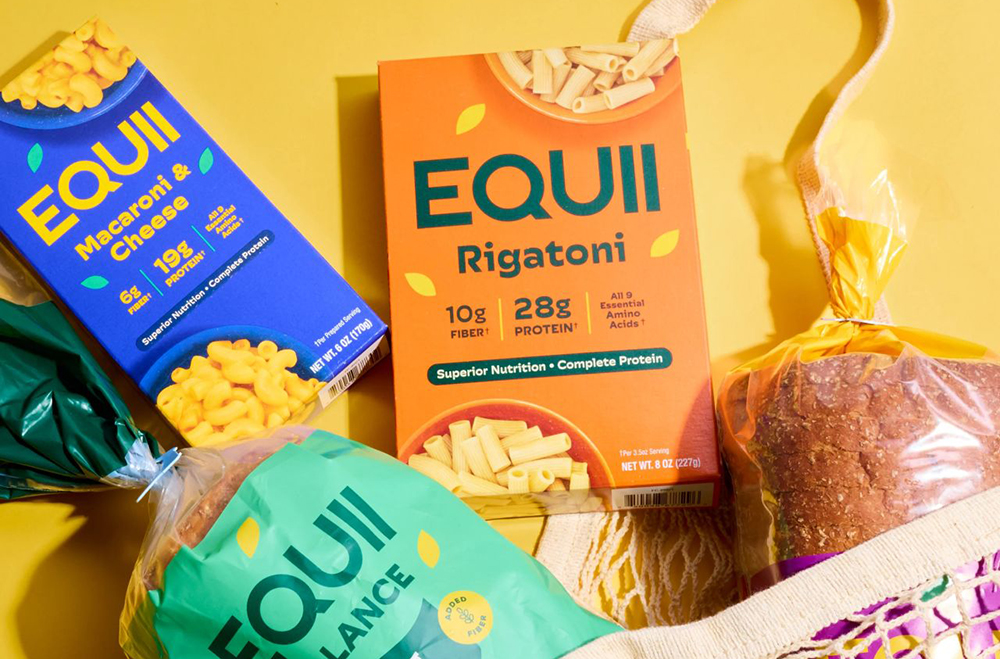
EQUII’s technology allowed traditionally carbohydrate-heavy foods to be reformulated with higher levels of complete protein and fiber, without relying on isolated plant proteins added post-processing. The company currently sold a range of breads and pastas positioned around this nutritional profile and had also indicated plans to launch a baking flour.
The partnership emerged at a time when protein consumption remained a central focus for US consumers. McGuinness pointed to broader dietary trends supporting the move, including the recent update to the Dietary Guidelines for Americans, which he said had elevated protein’s role within recommended eating patterns.
“Protein is the #1 food trend in the world,” McGuinness wrote. “And just this week, the new Dietary Guidelines flipped the food pyramid to put protein at the top.”
Consumer interest in protein had also been reinforced by social media-driven nutrition trends and the growing use of GLP-1 weight management drugs, which have heightened attention on satiety, muscle maintenance, and nutrient density. Fiber, another core output of EQUII’s fermentation process, had similarly gained visibility as consumers sought foods that supported digestive health alongside protein intake.
For Impossible Foods, the partnership aligned with a longer-term effort to maintain relevance as plant-based meat sales faced increased competition and more cautious consumer spending. By embedding protein into multiple components of a meal, the company aimed to reinforce its nutritional messaging while broadening the application of plant-based innovation.
“This is a big step forward for us and the rest of the category as consumers are looking for ways to pack in the protein,” McGuinness wrote. “We're excited to lead the charge.”
Neither company disclosed timelines, volumes, or specific product launch plans associated with the partnership. It also remained unclear whether the resulting products would be co-branded or sold under existing Impossible or EQUII product lines.
What was clear, however, was that the collaboration reflected a shift in how plant-based protein companies were thinking about growth. Rather than competing solely within the alternative meat aisle, partnerships like this suggested a move toward reengineering familiar staple foods to deliver higher nutritional value, particularly in protein and fiber, without asking consumers to change eating habits entirely.
As Impossible Foods and EQUII moved forward, the partnership placed fermentation-enabled grain products alongside plant-based meat as part of a broader strategy to capture protein demand across the plate, not just at its center.

Join Us At One Of Our Upcoming Events

If you have any questions or would like to get in touch with us, please email info@futureofproteinproduction.com


