Hebrew University discovery could help plants produce authentic dairy proteins more efficiently

Researchers at the Hebrew University of Jerusalem have identified an unexpected way for plants to manufacture and store one of the main proteins found in cow's milk, a discovery that could improve the production of authentic dairy proteins without relying on livestock.
• Hebrew University researchers engineered plants to produce bovine β-casein, a key dairy protein.
• The protein accumulated through an unexpected storage pathway rather than its intended cellular destination.
• Scientists believe the discovery could improve plant-based production of dairy proteins and other high-value ingredients.
The study, published in Frontiers in Plant Science, demonstrated that engineered plants can successfully produce bovine β-casein, one of the principal proteins responsible for milk's nutritional properties, texture and cheese-making functionality. More significantly, the research revealed a previously unknown storage mechanism inside plant cells that could help overcome one of the key technical challenges facing plant molecular farming.
As interest grows in producing dairy proteins through alternative manufacturing platforms, researchers have been exploring whether crops can serve as biological factories capable of producing complex animal proteins. Plant molecular farming has attracted increasing attention because it offers the potential to manufacture food ingredients using sunlight, water and soil rather than animal agriculture.
The research was led by Professor Oded Shoseyov of the Robert H. Smith Faculty of Agriculture, Food and Environment at the Hebrew University of Jerusalem, together with lead author Almog Ozeri and co-authors Mai Shamir, Miron Abramson, Barak Cohen and Amir Rudich.
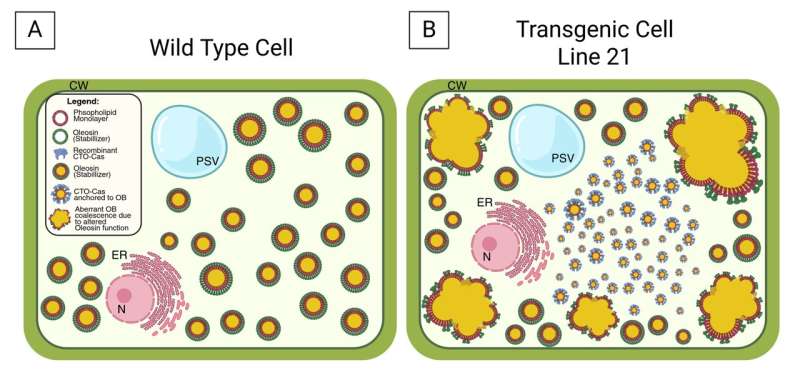
To investigate how plants handle dairy proteins, the team engineered Arabidopsis seeds to produce bovine β-casein fused to part of oleosin, a plant protein naturally associated with oil bodies. The researchers directed the protein toward several different compartments within plant cells to determine which location would provide the highest accumulation.
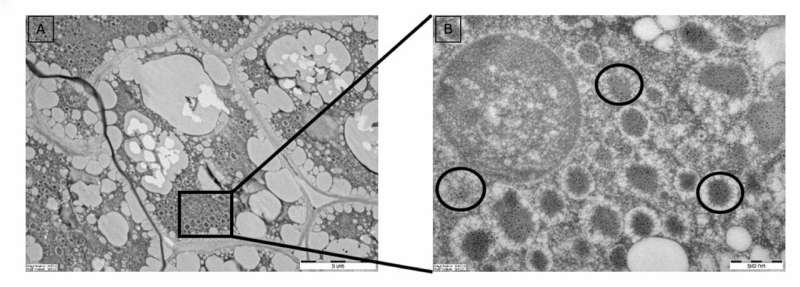
The expectation was that the milk protein would be stored inside specialized vacuoles commonly used for protein storage. Instead, transmission electron microscopy revealed that β-casein accumulated in previously unrecognized protein-rich structures closely associated with oil bodies inside the seed cells.
According to the researchers, these protein-oil aggregates resembled natural casein micelles and formed without affecting seed germination, suggesting that plants possess an alternative pathway for storing complex recombinant proteins.
The highest-performing plants produced β-casein at levels of approximately 1.26% of total soluble seed protein, which the researchers said is substantially higher than many previous reports of casein production in plants.
"One of the most exciting aspects of science is when nature surprises you," said Shoseyov. "We set out to send the protein to one location inside the cell, but instead discovered that the plant had effectively created its own storage solution."
He added: "Understanding this unexpected behavior gives us valuable insight into how plants handle complex proteins and may help us engineer more efficient systems for producing sustainable dairy proteins in the future."
The findings could extend beyond dairy ingredients. The researchers said a better understanding of where recombinant proteins naturally accumulate inside plant cells could improve yields of a wide range of food, nutrition and pharmaceutical proteins while simplifying downstream purification and lowering production costs.
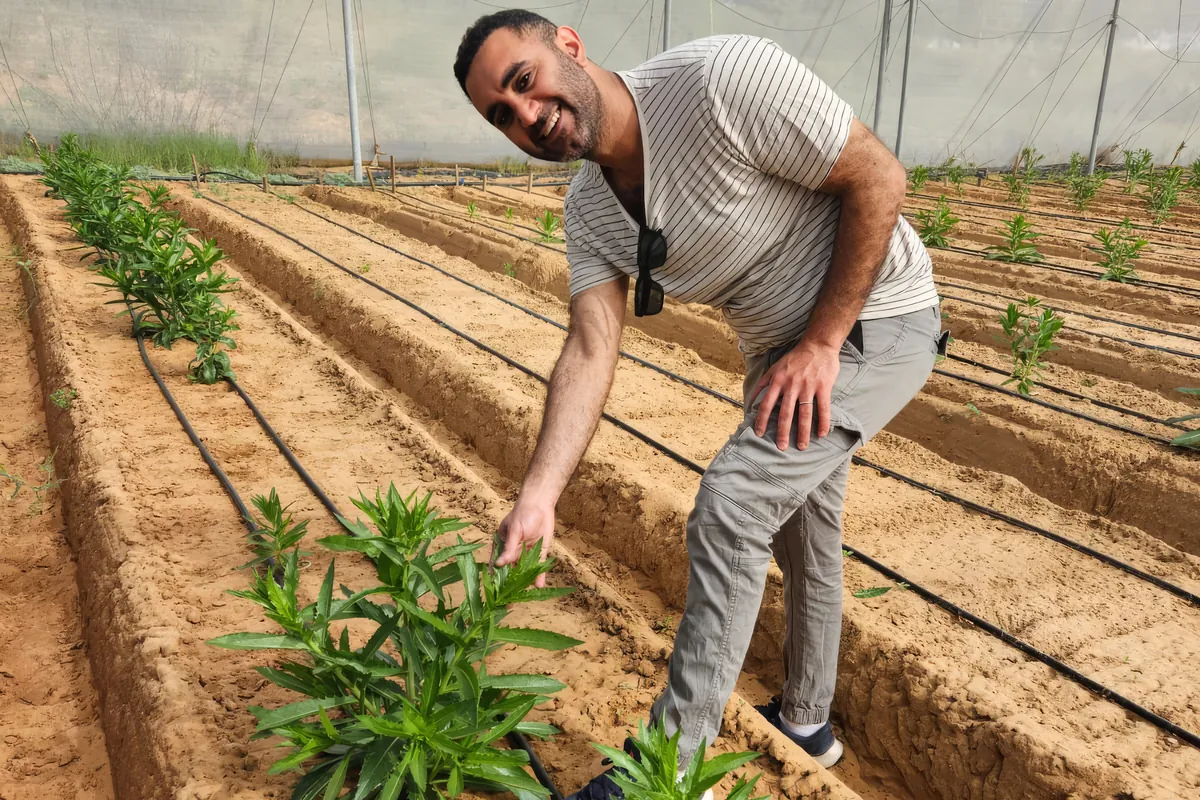
The work also represents progress toward commercial crop systems. While the experiments were conducted using the model plant Arabidopsis, the researchers said they have since successfully introduced the dairy proteins into safflower plants.
Safflower was selected because it is an oilseed crop capable of growing in hot, arid environments, making it suitable for cultivation in regions affected by climate change while providing a platform for producing nutritional proteins.
The study adds to growing efforts to use plants as production platforms for high-value food ingredients, complementing other approaches including precision fermentation and cell culture as companies seek more sustainable methods of manufacturing functional proteins.
(Main photo shows lead author Almog Ozeri with the safflower plants transformed with the dairy proteins (Image credit: Mai Shamir))

Join Us At One Of Our Upcoming Events

If you have any questions or would like to get in touch with us, please email info@futureofproteinproduction.com

More News