

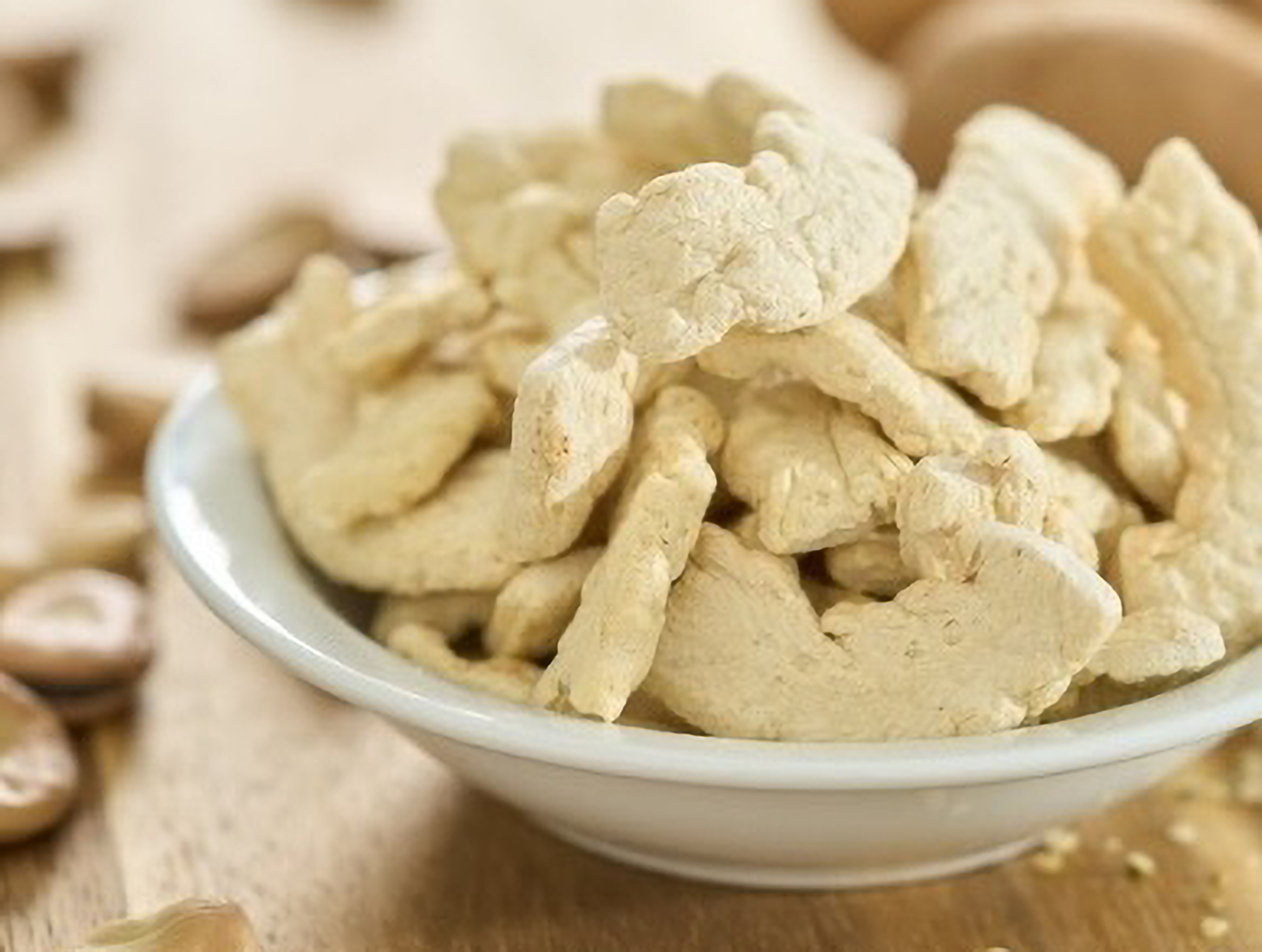
Griffith Foods unveils Versaterra, a new plant-based protein designed for flavor, function, and sustainable growth

Griffith Foods has introduced Versaterra, a plant-based protein platform intended to broaden the possibilities for nutritious, clean-label, and environmentally conscious eating. Announced from the company’s site in Alsip, Illinois in October, the launch marked a notable step in Griffith Foods’ broader effort to develop ingredients that support both culinary performance and responsible sourcing.
Framed as a solution built jointly with chefs, product developers, and consumers seeking healthier choices, Versaterra was created to deliver versatility, a short and familiar ingredient list, and alignment with regenerative agriculture principles. The company said the launch underscored its purpose of “blending care and creativity to nourish the world.”
Versaterra was developed to serve what Griffith Foods described as the growing demand for plant-based protein that performs across varied applications without compromising simplicity. Made from a small set of plant-derived ingredients, it is non-GMO compliant, free from the Big 9 allergens, contains no saturated fat, and offers what the company called an excellent protein source and a good source of fiber. The product is also shelf-stable and can be easily hydrated, which Griffith Foods said would be helpful for processors and foodservice operators seeking flexible formats.
The company emphasized that the platform was designed to meet the needs of multiple segments across the food industry, including protein processors, food manufacturers, retailers, quick-serve restaurants, and foodservice operators. Griffith Foods described Versaterra as a convenient option for teams looking to introduce “easy-to-use, craveable, and nutritious” plant-based items to consumers who increasingly prioritize health-focused choices.
A central feature of Versaterra is its neutral flavor profile. According to Griffith Foods, this was a deliberate decision to encourage culinary creativity, allowing the protein to adapt seamlessly to different cuisines, preparation styles, and dayparts. Its formulation also enables compatibility with Griffith Foods’ existing portfolio of seasonings, sauces, and coatings, offering customers the ability to build complete product concepts from start to finish.
In practical terms, the company said the ingredient has shown strong performance across an array of formats such as tacos, stir-fry, wraps, bowls, crab cakes, and pot pies, among others. Its texture was designed to provide what Griffith Foods described as a meat-like eating experience, a quality the company believes will help chefs and developers meet the expectations of consumers who want satisfying plant-based alternatives without long or unfamiliar ingredient lists.
The technology behind Versaterra was shaped by broader sustainability considerations. Griffith Foods noted that the protein is composed of pulses and vegetables, ingredients known for improving soil health and generally requiring less water, fertilizer, and energy compared with many conventional crops. While the company did not quantify specific environmental metrics, it positioned Versaterra as a step toward lower-impact supply chains that align with the principles of regenerative agriculture.
This emphasis on sustainability reflected a larger trend within the food industry, where operators and suppliers are being asked to demonstrate not only nutritional value and functionality but also evidence of thoughtful sourcing and production practices. Griffith Foods said Versaterra’s formulation answered this demand by drawing on ingredients capable of supporting healthier soils and resilient farming systems.
Rochelle Schaetzl, Vice President of Marketing at Griffith Foods North America, said the introduction of Versaterra represented a significant milestone. “The launch of Versaterra represents an important step forward for Griffith Foods and our partners,” she said. “Versaterra isn’t just a product: it’s a commitment to developing solutions that deliver on consumer expectations while supporting the long-term health of people and the planet. With Versaterra, Griffith Foods opens a new chapter in sustainable protein innovation where care, creativity, and culinary excellence converge to shape the future of food.”
The company’s focus on both culinary versatility and environmental responsibility reflected its intent to serve a wide customer base, from product developers seeking performance at scale to chefs looking for adaptable ingredients that can be used across menus. Griffith Foods described Versaterra as a platform that could encourage innovation while allowing operators to respond to the increasing number of consumers who look for plant-based dishes that balance taste, nutrition, and sustainability.
The launch added to a broader wave of activity in plant-based protein, a sector that continues to diversify as consumer expectations shift. While formulations across the industry vary widely, Versaterra appeared positioned toward simplicity and adaptability rather than a highly engineered approach. Griffith Foods pointed to these qualities as essential for operators wanting to streamline development while offering foods that feel familiar, nutritious, and dependable.
As the company moves forward with the rollout, Versaterra will sit alongside Griffith Foods’ portfolio of flavor solutions, enabling customers to integrate the protein as part of complete product concepts across retail, foodservice, and manufacturing channels. The company said demand has grown for plant-based proteins capable of offering both culinary flexibility and a reduced ingredient footprint, needs it believes this new platform can address.
With the launch now underway, Griffith Foods framed Versaterra as an example of how plant-based protein continues to evolve. Rather than focusing solely on meat analogs, the platform was designed to serve as a building block that can be adapted in many directions, depending on the vision of chefs and developers.

Join Us At One Of Our Upcoming Events

If you have any questions or would like to get in touch with us, please email info@futureofproteinproduction.com


