Green Boy enters its 10th year after a decade expanding its global plant-based ingredient business

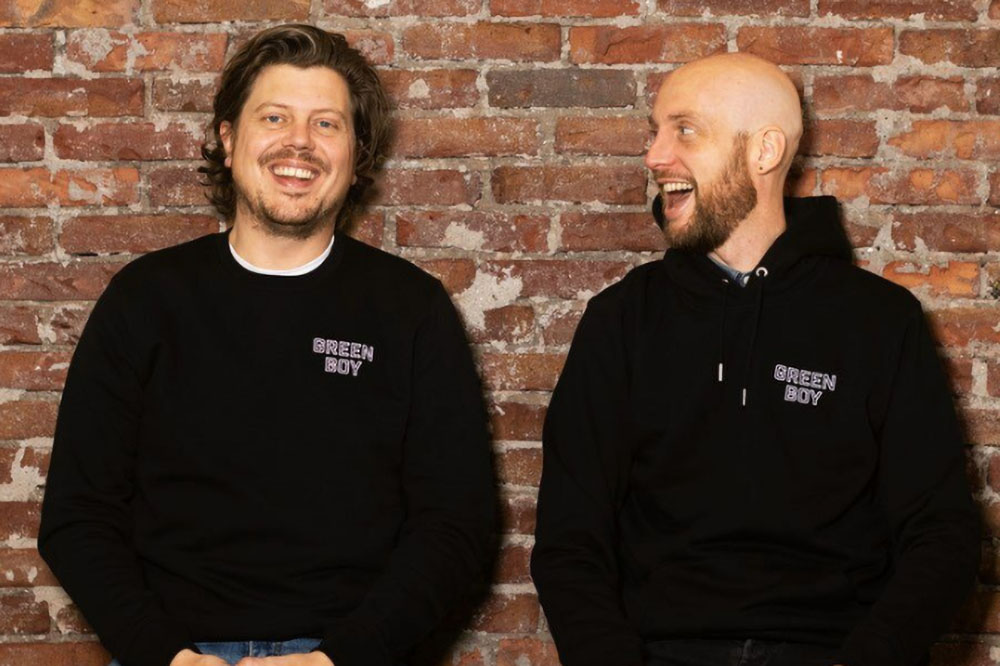
Green Boy Group entered its 10th year of operation in 2026, according to a celebratory post on LinkedIn, marking a decade since the plant-based ingredient supplier was founded in 2016 by Peter van Dijken and Frederik Otten.
Formed with the goal of reducing reliance on animal-based food ingredients, Green Boy focused on supplying plant-based alternatives designed to lower the environmental impact associated with livestock and fishing while supporting food manufacturers developing meat, dairy, and beverage alternatives.
The company established offices in Amsterdam and Los Angeles in its first year of operation, followed by the opening of a Hong Kong office in 2018 to support quality control and ingredient sourcing from Southeast Asia. In January 2020, Green Boy expanded its US operations through the acquisition of Sweet Nature Inc, a distributor of non-GMO and organic syrups.
Over the following years, Green Boy expanded its ingredient portfolio beyond proteins to include plant-based syrups, starches, sweeteners, fibers, flours, super foods, and oils. The company reported that its ingredients were fully plant-based and excluded genetically modified ingredients, animal-derived inputs, and ingredients commonly associated with food allergies such as soy and gluten.
In 2020, Green Boy launched Green Boy Products, a retail line of single-ingredient plant-based protein powders. Later that year, it introduced Plant-Meat Protein, an ingredient developed for plant-based meat applications. At the time, many plant-based meat formulations relied on soy protein or vital wheat gluten, while some vegetarian products continued to use dairy-derived proteins such as whey or casein.
Plant-Meat Protein was developed as a soy-free, gluten-free, non-GMO, and vegan alternative using proteins derived from peas, mung beans, fava beans, and chickpeas. Protein concentrations ranged from 80% to 90%, supporting a range of formulation requirements for plant-based meat products.
Geographic expansion continued in 2021 with the opening of a Sydney office to supply the Australian market. That year also saw the launch of Plant-Dairy Protein for plant-based dairy alternatives. In January 2022, Green Boy opened a Food Lab at its downtown Los Angeles location to support ingredient application development. Additional product lines followed, including Plant-Drink Protein in mid-2022 for plant-based beverage applications.
In November 2022, former Interfood CEO Jeroen van den Heuvel joined Green Boy Group as Managing Director. The company expanded further in 2023 with the opening of a Chicago office, strengthening its US commercial presence. That same year, Green Boy completed a Life Cycle Assessment across its plant-based protein ingredients in collaboration with narrate.
In April 2024, Green Boy expanded into the plant-based pet food market with the launch of a dedicated pet food division supplying starches, sweeteners, proteins, and fibers to pet food producers. The division targeted premium markets including North America, Europe, and Oceania.
“Green Boy has always operated with the goal of accelerating the transition from animal-based food products to plant-based food products,” said van Dijken. “We want to lower the dependence on meat, fish, and dairy.”
Otten said the expansion reflected the size of the pet food market and its overlap with Green Boy’s existing customer base. “Many of the large brands we supply also have a strong presence in the pet food market.”
Sustainability reporting became a more established part of the company’s operations during this period. In August 2025, Green Boy published its 2024 Impact and Sustainability Report, which reported an 8% improvement in carbon efficiency compared to 2023. The company attributed the reduction primarily to increased sales of lower-carbon-footprint ingredients such as starches and syrups and to closer collaboration with suppliers.
“Our 2024 report reflects our next step in building a responsible, more resilient supply chain,” said van Dijken. “By strengthening supplier-specific CO2e data and expanding third-party partnerships, we’re providing the transparency the food industry needs.”

Join Us At One Of Our Upcoming Events

If you have any questions or would like to get in touch with us, please email info@futureofproteinproduction.com

More News