FrieslandCampina Ingredients charts the nutrition systems set to shape food innovation in 2026

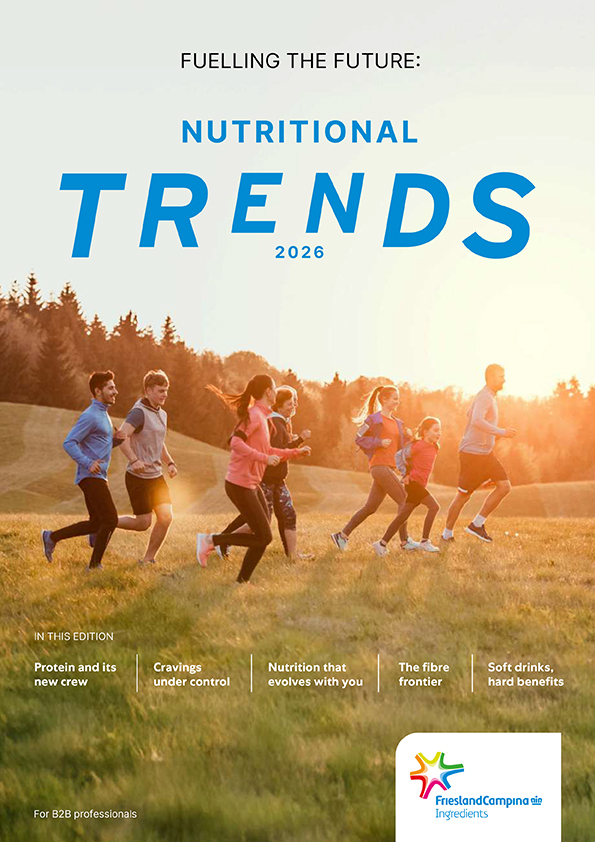
FrieslandCampina Ingredients released its sixth annual nutrition trends report, setting out how food and nutrition innovation in 2026 would be shaped less by headline ingredients and more by integrated systems designed to deliver accessible, everyday health at scale.
Published on 6 January, the report positioned 2026 as a turning point for the nutrition landscape, as advances in technology, data, and ingredient science converged with shifting consumer expectations. Rather than focusing on novelty alone, the report emphasized functionality, reliability, and ease of integration, reflecting growing pressure on brands and suppliers to deliver products that worked consistently across formats, markets, and consumption moments.
FrieslandCampina Ingredients described the coming year as one defined by accessible nutrition, driven by wider availability of personalized health information, AI-supported decision-making, and changes in how consumers approached weight management, gut health, and hydration. Floor van de Horst, Global Marketing Director, Performance and Active Nutrition, said technology and knowledge-sharing were breaking down barriers and accelerating the move toward tailored nutrition solutions that consumers could discover and purchase more easily.
She said that while accessibility was improving, expectations were rising in parallel, and brands would need to combine science, technology, and innovation to deliver trusted and effective components of everyday wellness routines.
Protein featured prominently throughout the report, but not as a differentiator in its own right. Instead, FrieslandCampina Ingredients framed protein as nutritional infrastructure, noting that nearly 60% of global food and beverage consumers already actively incorporated more protein into their diets. With protein fortification now firmly mainstream, the report argued that protein alone no longer delivered competitive advantage.
The company highlighted a shift toward protein-plus formulations, where high-quality proteins were combined with fibers, prebiotics, vitamins, and other functional ingredients to deliver more holistic health benefits. Demand for these combinations was particularly strong among Gen Z and Millennial consumers, with 50% seeking functional foods that emphasized not only protein, but also gut health and broader wellbeing benefits.
For manufacturers and ingredient suppliers, this reframing carried practical implications. Protein was no longer treated as a standalone component, but as part of increasingly complex formulation systems that needed to perform reliably under processing conditions, integrate with other bioactives, and deliver consistent sensory outcomes across formats such as ready meals, snacks, beverages, and frozen products.
The report also devoted significant attention to appetite and weight management, as the growing use of GLP-1 medications continued to reshape nutrition needs. FrieslandCampina Ingredients described how GLP-1 agonists were reducing meal frequency and portion sizes, creating new challenges around nutrient density and muscle maintenance.
Citing external research, the report noted that around 40-60% of total weight loss associated with GLP-1 usage could come from muscle loss, increasing demand for products that delivered essential nutrients in smaller, more concentrated formats. As a result, consumers using GLP-1 therapies were increasingly seeking convenient products that supported satiety, muscle function, and overall nutrition without requiring large portions.
From a product development perspective, FrieslandCampina Ingredients positioned this trend as a driver for sustained-release proteins and compact formats, including bars, ready-to-drink beverages, and functional coffees. The emphasis shifted from volume to efficiency, with ingredient systems designed to deliver nutritional impact per bite or sip.
Beyond protein, fiber emerged in the report as a platform ingredient rather than a single-function nutrient. While gut health had already entered the mainstream, FrieslandCampina Ingredients argued that fiber was entering a new phase, driven by growing consumer awareness of the gut microbiome and its links to overall health.
The report noted that 20% of consumers had actively sought to increase their intake of fiber-rich foods in the past year, while more than half of consumers familiar with fiber associated it with digestive health. However, consumer expectations were evolving beyond basic digestive support toward fibers that could influence gut–brain, gut–immune, and gut–muscle axes.
This shift had implications for ingredient selection and formulation strategy. Rather than maximizing fiber content alone, brands were increasingly expected to select specific fibers with defined functional roles, supported by scientific evidence and compatible with a range of food and beverage matrices. For suppliers, this placed greater emphasis on consistency, stability, and performance alongside nutritional outcomes.
Hydration was identified as another area undergoing rapid transformation. FrieslandCampina Ingredients described hydration as evolving from a basic physiological need into a delivery system for functional nutrition. With around 70% of consumers reporting that they did not always feel properly hydrated, the report suggested that hydration had become a platform for broader wellness benefits.
Consumers increasingly linked hydration to nutrition, driving demand for beverages that delivered more than fluid alone. The report highlighted growing interest in protein-enhanced waters, functional teas and coffees, prebiotic sodas, and vitamin-infused drinks, all positioned to deliver hydration alongside targeted benefits such as digestive support, recovery, immunity, or focus.
The company linked this shift to continued expansion of the global functional drinks market, which was projected to grow at a compound annual growth rate of 8.9% between 2025 and 2030. For manufacturers, this trend placed renewed focus on ingredient solubility, clarity, and stability in low-viscosity systems, where sensory quality and shelf life remained critical.
Running through all five trends was a broader narrative around what the report described as the age of smart nutrition. FrieslandCampina Ingredients argued that as consumers became more informed and selective, nutrition products would need to deliver clearer value, backed by credible science and consistent supply.
The report positioned AI, digital tools, and data-driven insights as shaping how consumers discovered and evaluated nutrition products, but also as raising the bar for brands and suppliers. In this environment, success depended not only on innovation, but on the ability to deliver proven ingredients at scale, across regions, and over time.
Van de Horst said navigating the nutrition landscape had never been more complex, as scientific understanding, regulation, and consumer priorities continued to evolve. She said the aim of the 2026 trends magazine was to help nutrition brands stay ahead by combining science-led insights with market analysis and application expertise.
Rather than pointing to a single dominant trend, the report presented a picture of nutrition innovation becoming more systems-driven in 2026. Protein, fiber, hydration, and functional formats were no longer treated as isolated opportunities, but as interconnected components of everyday health solutions.
For FrieslandCampina Ingredients, the message was clear. The next phase of nutrition innovation would be shaped less by bold claims or single ingredients, and more by integrated systems that delivered reliable functionality, consistent performance, and practical benefits that fit seamlessly into daily life.

Join Us At One Of Our Upcoming Events

If you have any questions or would like to get in touch with us, please email info@futureofproteinproduction.com

More News