

Former Veganuary executive leaves organization to back meat-inclusive animal welfare campaign

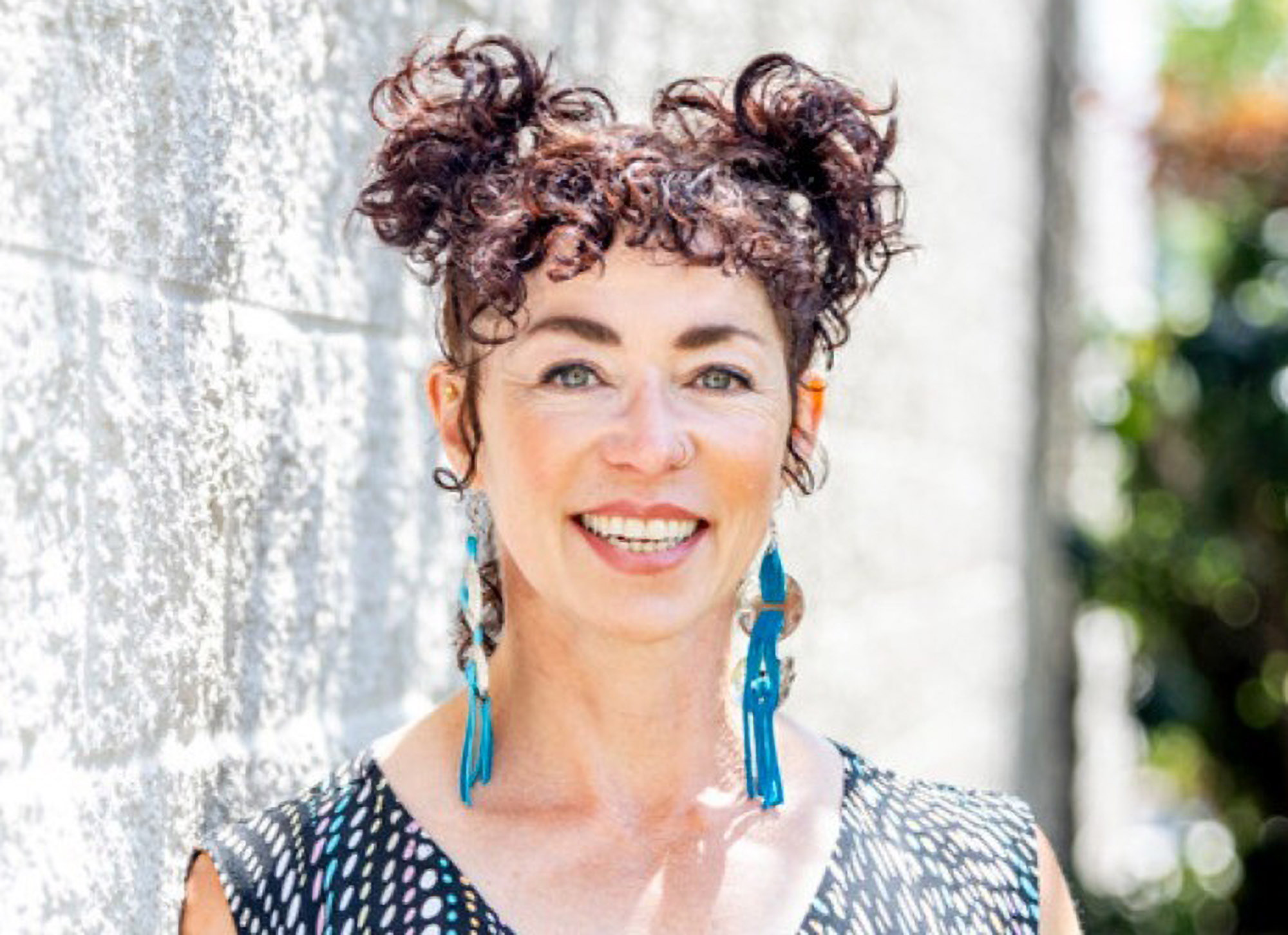
Toni Vernelli, a former senior figure at Veganuary, has left the organization to support a new animal welfare campaign that challenges the premise of encouraging people to give up animal products altogether. Vernelli, who served as head of communications at Veganuary for nearly six years, said she now believed that strict dietary advocacy could be counterproductive to the goal of reducing animal suffering.
Veganuary, founded in 2014, runs an annual campaign encouraging people to eliminate meat and dairy from their diets each January. The initiative has gained global visibility over the past decade, supported by high-profile endorsements and a broader rise in interest around plant-based diets.
Vernelli, who has spent decades campaigning against animal cruelty, said her views shifted after years of promoting dietary change as the primary lever for impact. She argued that asking people to stop eating meat could alienate those who are otherwise sympathetic to animal welfare, while limiting the scale of change an individual can achieve.
She has now joined FarmKind, an animal welfare charity launching a campaign titled 'Forget Veganuary', which encourages people to continue eating animal products while donating to organizations focused on improving conditions within industrial farming. The campaign is scheduled to run in January 2026, directly overlapping with Veganuary’s annual initiative.
FarmKind said its approach was based on the idea that while many consumers oppose factory farming, they are unwilling to give up meat entirely. The charity argued that regular donations to targeted welfare initiatives could deliver greater aggregate benefits than individual dietary change alone.
Vernelli said she no longer believed diet change should be central to animal advocacy and that she was less concerned with what people eat than with the outcomes for animals. She argued that while an individual can only reduce consumption by their own amount, financial support for welfare reforms is not capped in the same way.
As part of the campaign, FarmKind said it had partnered with three competitive eaters who will consume exclusively animal-based meals for a day while donating to animal welfare charities alongside each meal. The charity described the initiative as a deliberately provocative attempt to spark debate about the most effective paths to reducing harm in food systems.
Thom Norman, a co-founder of FarmKind and a former vegan activist, said his perspective had also shifted over time. He said that years of street campaigning had achieved less tangible impact than if he had instead donated a portion of his income to animal welfare causes.
Veganuary criticized the campaign, rejecting the idea that meat consumption could be offset through donations. A spokesperson compared the approach to “deliberately setting a fire and then donating to the fire brigade,” arguing that continued demand for animal products remains the root driver of animal suffering.
The organization said reducing consumption prevents animals from being bred into systems that cause harm, and that financial contributions cannot undo suffering once it has occurred. Veganuary maintained that dietary change remains essential for improving animal welfare, alongside environmental and public health goals.
The dispute highlights a broader and increasingly visible debate within animal advocacy over strategy and impact. As alternative proteins, welfare reforms, and consumer behavior continue to evolve, organizations working toward reduced animal suffering are diverging on whether systemic change is best driven through consumption shifts, financial leverage, or a combination of both.
For now, Vernelli’s departure from Veganuary and her support for FarmKind’s campaign underscored how contested those questions remain, even among long-standing advocates within the movement.

Join Us At One Of Our Upcoming Events

If you have any questions or would like to get in touch with us, please email info@futureofproteinproduction.com


