


Finland’s Nutrition Guidelines drive surge in tofu and legume sales, industry responds to rapid demand shift

Finland’s updated national nutrition guidelines have triggered a measurable shift in consumer purchasing, with new data showing a sharp rise in demand for plant-based foods across the country. A market report from Plant Based Food Finland has revealed that 15% of Finns have already changed their food choices following the revised recommendations, marking one of the clearest examples of policy translating directly into retail behavior in Europe.
• Fifteen percent of Finnish consumers reported changing their food choices following updated national nutrition guidelines, indicating a measurable shift in purchasing behavior across the retail market.
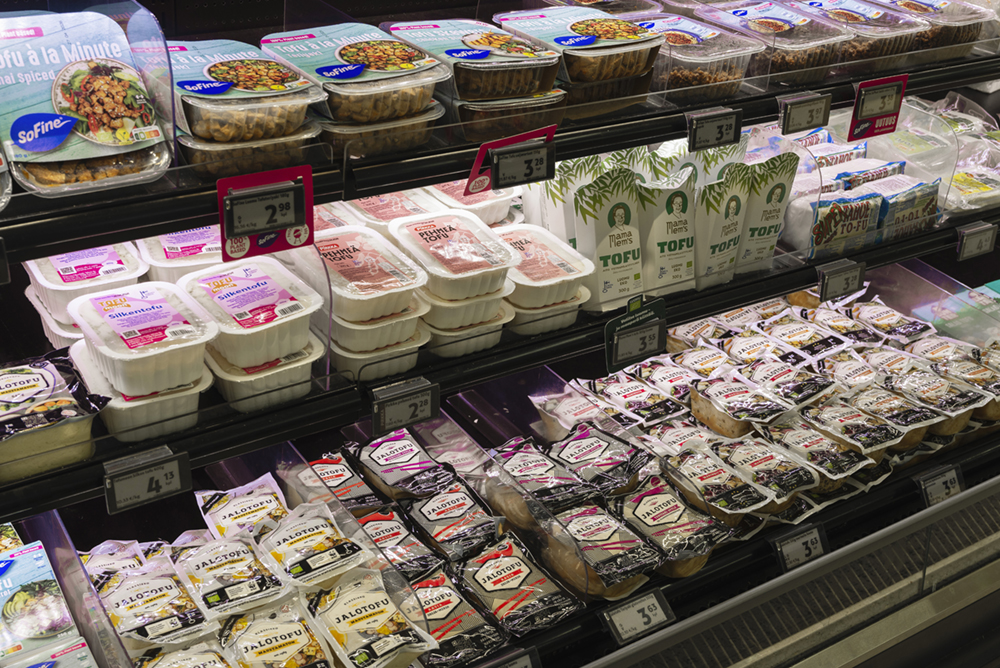
• Retail sales data showed tofu sales rising by 12% and canned legumes by 14% in 2025, an unusually strong increase for categories that have historically been stable.
• Industry leaders reported supply constraints and capacity challenges as demand surged, with producers scaling operations to meet new consumption patterns driven by policy and price dynamics.
The guidelines, published in late 2024, have encouraged a more plant-forward diet, with a particular emphasis on legumes for both health and environmental reasons. Retail data from 2025 has since shown tofu sales increasing by 12% and canned legumes by 14%, a notable shift in categories that have traditionally grown slowly.
Professor Maijaliisa Erkkola of the University of Helsinki, who led the revision of the recommendations, said the speed and visibility of the shift stood out. “Seeing such a clear impact in retail is somewhat exceptional, partly because public dietary guidelines are typically designed to influence food services and product development rather than consumer purchasing behavior directly,” she said. “The key question now is whether these changes will become permanent.”
The surge has been particularly evident among consumers already considering reducing meat consumption. Survey data suggested that the updated guidance helped convert intention into action, especially among so-called reducetarians who are incorporating more plant-based foods without fully eliminating animal products.
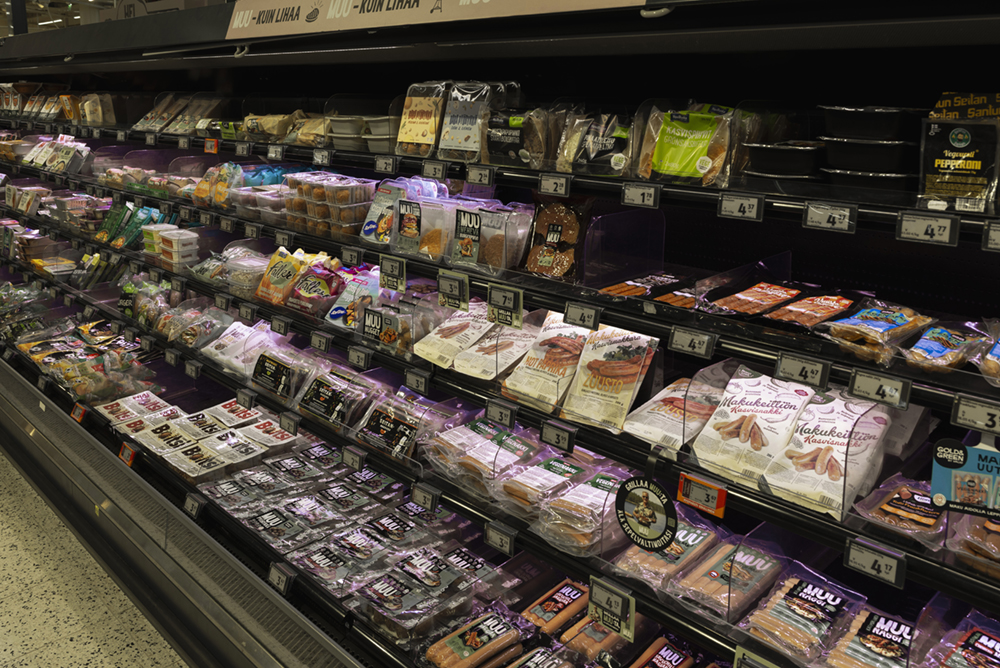
Public debate around the guidelines amplified their reach. Media coverage initially focused on recommendations to reduce processed red meat, including cold cuts, sparking widespread discussion. That attention appears to have accelerated awareness and, ultimately, purchasing behavior.
The result has been visible across supermarket shelves. Jouko Riihimäki, CEO of tofu producer Jalofoods, described the shift as unprecedented. “We’ve been in the business for over three decades, and we have never seen such a sharp upswing in demand,” he said.
The first signs appeared during an unexpected period. Demand surged in summer 2025, breaking the usual seasonal pattern and accelerating during what is typically the company’s quietest period. When tofu shelves began emptying, it became clear the shift was not temporary, with similar signals emerging across other Nordic countries
Neither producers nor retailers were prepared for the pace of change. Riihimäki said the speed of demand made it difficult to arrange overtime and exposed process challenges, which affected delivery reliability. The company responded by investing in new equipment, hiring staff, and restructuring operations to stabilize supply.
Scaling production brought its own constraints. Riihimäki identified staffing, equipment limitations, and organizational growing pains as the main challenges. These were not issues that could be resolved quickly. The company has since clarified roles, built new partnerships, and refined processes, with a move to three-shift production at the beginning of 2026 expected to increase capacity further.

The growth has not been limited to retail. Riihimäki said demand has been strong in both foodservice and retail channels, suggesting that tofu is reaching new consumers in different contexts rather than simply increasing purchases among existing buyers. He pointed to the combination of updated nutrition guidelines, tofu’s stable price relative to rising meat costs, and improving taste as key drivers bringing new segments into the category.
“The structural drivers are in place: nutrition guidelines, price advantage over meat, and growing cultural acceptance,” he said. “But food is rooted in tradition and change takes longer here than in other industries.”
While demand has surged, the broader food system has not fully kept pace. Jukka Kajan, Executive Director of Plant Based Food Finland, said the alignment of factors in Finland created a rare moment where policy, consumer readiness, and market availability converged.
He said the visibility of the guidelines in public debate played a critical role in raising awareness, while the recommendations themselves aligned with an existing shift among consumers considering reducing meat consumption. Trust in public institutions also contributed, with science-based guidance helping translate intention into action.
Kajan said the market was ready to respond, with plant-based options widely available and product quality improving, lowering barriers to adoption.
Looking ahead, he suggested that policymakers should focus less on directly influencing demand and more on shaping the food environment. Making healthier choices accessible and effortless would deliver significant public health benefits. He noted that studies have suggested that full adherence to dietary guidelines could generate healthcare savings worth billions of euros annually.
Despite the positive signals, structural gaps remain. Kajan pointed to limited domestic processing capacity for plant-based protein ingredients as a key bottleneck. As a result, Finnish food companies have been forced to import higher-value ingredients, leading to lost economic value within the domestic system.
This constraint has also affected primary producers. Farmers growing legumes have had limited opportunities to capture added value, restricting the potential benefits of shifting diets. Kajan said this gap would likely widen as demand grows unless addressed through investment and policy support.
The response from traditional protein sectors has been mixed but evolving. Kajan said the meat industry reacted strongly to the updated recommendations, with defensive responses contributing to media attention and public awareness. At the same time, signs of adaptation have emerged. Two major meat producers have introduced blended products combining animal and plant proteins, though they have faced supply challenges due to limited access to plant-based ingredients.
He also pointed to activity within the dairy sector, where Finland’s leading dairy company has invested in future protein research and production and spun off a non-dairy business that has invested heavily in exports. These developments, he said, indicate that established players recognize both the risks and opportunities associated with changing consumption patterns.
Kajan expressed optimism that increased demand from across the food system, including traditional sectors, could help push investment in processing capacity past a tipping point.
Beyond Finland, the question remains whether similar outcomes can be achieved elsewhere in Europe. Kajan said the underlying drivers are not unique. He argued that plant-forward policies represent an underutilized opportunity to improve public health, strengthen resilience, and create economic value.
What distinguishes Finland, he said, is the alignment between policy, public trust, and market readiness. With the right conditions, he suggested that comparable shifts could occur in other countries.
The Finnish case offers a rare example of dietary guidelines translating rapidly into consumer behavior, supported by retail data and industry response. Whether the shift proves durable will depend on how quickly supply chains, processing infrastructure, and the broader food system adapt to sustain the momentum already underway.
The full report published by Plant Based Food Finland can be accessed here

Join Us At One Of Our Upcoming Events

If you have any questions or would like to get in touch with us, please email info@futureofproteinproduction.com


