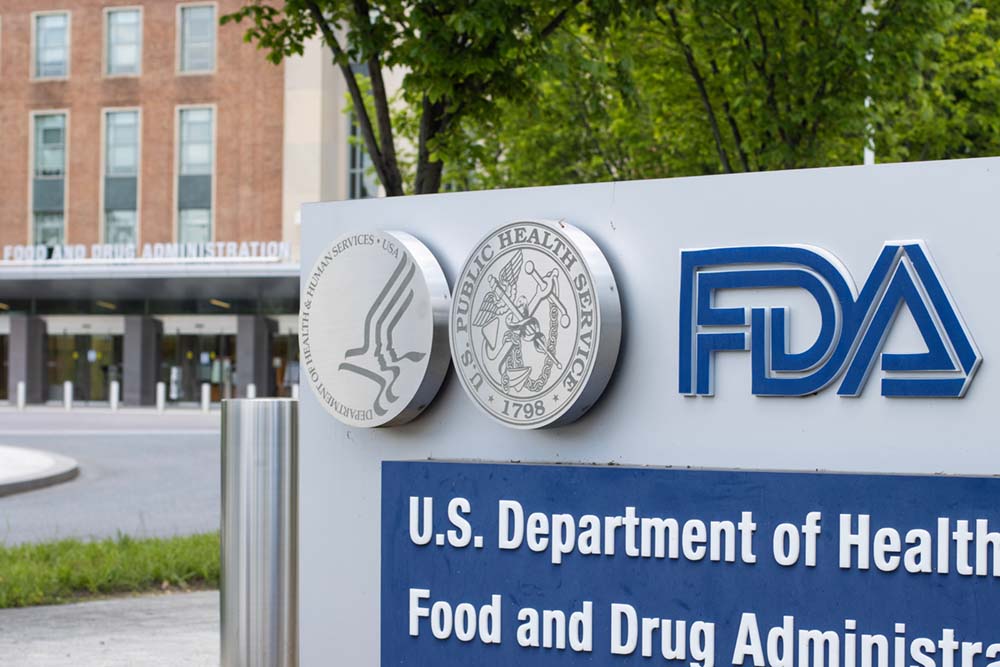
FDA admits defining ultraprocessed foods is proving ‘quite challenging’

The US Food and Drug Administration has acknowledged that developing a formal definition of ultraprocessed foods is proving more difficult than expected, with the agency saying the science remains complex despite making the issue a priority.
• FDA food chief Donald Prater said developing a definition of ultraprocessed foods had proved "quite challenging" because multiple definitions remain in use.
• The agency confirmed the work remained a priority despite missing an earlier target to publish a proposed definition by April.
• The definition could inform future policies, including front-of-pack nutrition labeling and other food regulations.
Speaking during a keynote address at the IFT First conference in Chicago, Donald Prater, the FDA's acting deputy commissioner for food, said the agency continued to work towards a definition despite the challenges involved.
"Just because it's a tough challenge, it doesn't mean it's something that we should shy away from," he said.
Health and Human Services Secretary Robert F. Kennedy Jr. has made defining ultraprocessed foods a key part of his food policy agenda. He previously said the FDA would publish a proposed definition by April, although that has yet to happen.
According to reporting by Food Dive, Prater said the scientific understanding of ultraprocessed foods was still evolving and that the existence of several competing definitions had complicated efforts to establish a single US standard.

"There are a variety of definitions that are being used out there," he said, adding that the FDA was reviewing different proposals "to try to find something that makes sense."
Ultraprocessed foods account for more than half of the dietary energy consumed in high-income countries, including the US, according to the National Institutes of Health. Research has associated high consumption with a range of health conditions, including cardiovascular disease, type 2 diabetes and obesity.
However, reaching a consensus has proved difficult because foods such as wholegrain bread, yogurt and tofu can also fall within some ultraprocessed food classifications.
California became the first US state to introduce a legal definition of ultraprocessed foods last year as part of legislation covering school meals. The state has yet to identify which products it considers the most concerning under the law.
Prater said establishing a definition would help consumers make more informed choices. Alongside that work, the FDA is continuing to develop front-of-pack nutrition labeling that would make information such as calories and added sugars more prominent.
"As Secretary Kennedy recently said, FDA's role is not to ban ultraprocessed food," Prater said. "Our role is to ensure that the food supply is safe, that labeling is truthful and not misleading, and that consumers have the information they need to make informed choices for themselves and their families."
Food manufacturers are already responding to growing scrutiny of ingredients. While many companies have focused on removing artificial colors ahead of the FDA's voluntary deadline later this year, others have expanded reformulation efforts.
Last week, Bimbo Bakeries USA announced it would remove artificial preservatives and emulsifiers from five of its leading brands as part of a wider clean-label overhaul.

Join Us At One Of Our Upcoming Events

If you have any questions or would like to get in touch with us, please email info@futureofproteinproduction.com

More News