Crespel & Deiters adds fava and wheat protein crisps for high-protein foods

Crespel & Deiters has expanded its Lory IsoCrisp portfolio with two plant-based protein crisps designed to help manufacturers increase protein content while adding a controlled crunch to snacks, bars, cereals and confectionery.
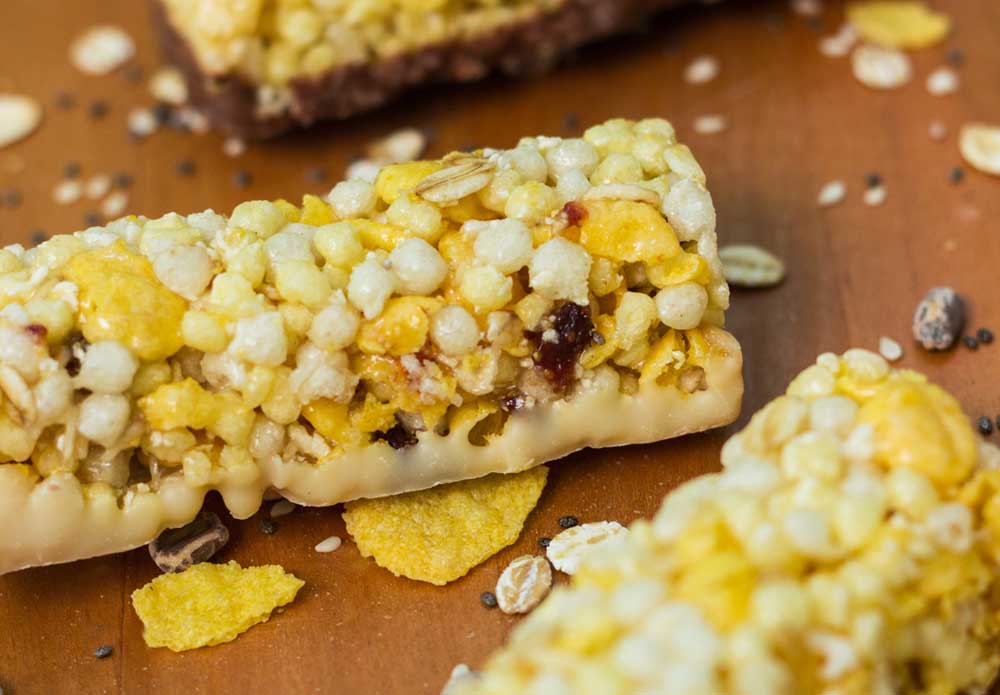
The German ingredients company has introduced Lory IsoCrisp Fava Protein, containing 50.5g of protein per 100g, alongside Lory IsoCrisp Wheat Protein, which contains 65.4g per 100g. Both are produced using extrusion technology and are intended for direct integration into existing formulations.
• Crespel & Deiters has launched fava and wheat protein crisps containing 50.5g and 65.4g of protein per 100g, respectively.
• The extruded ingredients target applications including protein bars, cereals, muesli, porridge, snacks and confectionery, with different particle sizes for different formats.
• The company sees plant-based crisps as a flexible option for manufacturers increasing protein content, developing soy-free products or responding to higher milk protein costs.
The launches come as manufacturers look to increase protein levels without sacrificing the texture and eating experience of finished products. Crespel & Deiters cited an Innova Market Insights survey in which around 60% of consumers globally said they were actively seeking to increase their protein intake without compromising taste or texture.
Rather than functioning solely as a source of additional protein, the two new ingredients have been developed with specific applications and textural properties in mind.
Lory IsoCrisp Fava Protein is produced from fava beans, also known as faba beans, and provides 50.5g of protein per 100g.
The crisp has a round shape and measures 12mm in diameter, making it particularly suited to chocolate-coated crunchy balls and bite-sized confectionery. According to Crespel & Deiters, its smooth surface enables manufacturers to apply a fine and even coating.
The company said this can reduce the amount of coating required and support the development of products with a lower calorie content, while providing the expected crunch.
Its use of fava protein also gives manufacturers another option when developing plant-based and soy-free formulations.
Lory IsoCrisp Wheat Protein contains 65.4g of protein per 100g and has a considerably smaller particle size, measuring 4mm in diameter.
Crespel & Deiters said the smaller format provides a fine, consistent crunch suitable for applications ranging from protein bars and porridge to cereals, muesli and confectionery.
The wheat-based ingredient also extends the company's existing selection of milk- and whey-based protein crisps. Crespel & Deiters sees it as an alternative for manufacturers seeking to reduce their reliance on dairy proteins at a time of higher milk protein prices.
Both new ingredients have an extruded, stable structure and consistent particle size, allowing them to be incorporated into bites, clusters and layered products as well as more conventional bar and cereal formats.
Their compatibility with existing recipes is also intended to make reformulation easier for manufacturers looking to increase protein levels or shift toward plant-derived protein sources without substantially changing their production processes.
Crespel & Deiters produces the Lory IsoCrisp range using extrusion technology at its operations in Germany. The sixth-generation family business has more than 165 years of experience processing plant-based raw materials.
Alongside ingredient production, its in-house R&D laboratory and extrusion innovation hub are used to work with manufacturers on particle characteristics and formulation requirements for individual applications.
Philipp Deiters, CSO Food at Crespel & Deiters, said the latest additions were intended to give manufacturers greater flexibility when responding to changing protein requirements. “With the new Lory IsoCrisp Fava and Wheat Protein crisps, we are expanding our portfolio with solutions that combine plant-based and wheat-based protein sources with real functional value for production,” he said. “It gives manufacturers a highly flexible tool to adapt their products to market demand quickly and without complication. And with our broad technical know-how, we support that process all the way through, from concept to market readiness.”
If you liked this, check these out...
• Happy Plant Protein and Crespel & Deiters scale one-step dry extrusion technology for European TVP production
• Phytokana secures backing for C$32.5 million fava bean ingredients project with Maia Farms
• From bran to binding: wheat byproduct transformed into functional ingredient for plant-based foods

Join Us At One Of Our Upcoming Events

If you have any questions or would like to get in touch with us, please email info@futureofproteinproduction.com

More News