


BeneMeat puts UK cultivated meat plans on hold over EU regulatory uncertainty

Czech biotechnology company BeneMeat has put further UK expansion plans on hold as it waits for clarity over a proposed UK-EU sanitary and phytosanitary agreement and its potential impact on the regulation of cultivated meat.
The company has written an open letter to UK Prime Minister Andy Burnham calling on the government to preserve Britain's ability to assess and authorize novel foods according to its own scientific evidence, priorities and timetable.
• BeneMeat has paused further progress on its UK cultivated meat plans.
• The company has already submitted a UK novel food application.
• It wants Britain to retain regulatory autonomy over emerging biotechnologies.
BeneMeat's activities in Britain have progressed considerably further than exploratory discussions. The company said it has invested in the country, established a presence, developed relationships with British businesses and submitted an application for authorization of its cultivated meat as a novel food for human consumption.
It has also prepared controlled tastings and entered discussions about potentially producing cultivated meat in Britain. Its cultivated pet-food ingredient has already secured regulatory recognition in the UK.
But BeneMeat said further progress across those activities is now on hold while it and prospective partners wait to see whether Britain will retain the ability to develop its own regulatory pathway for biotechnology.
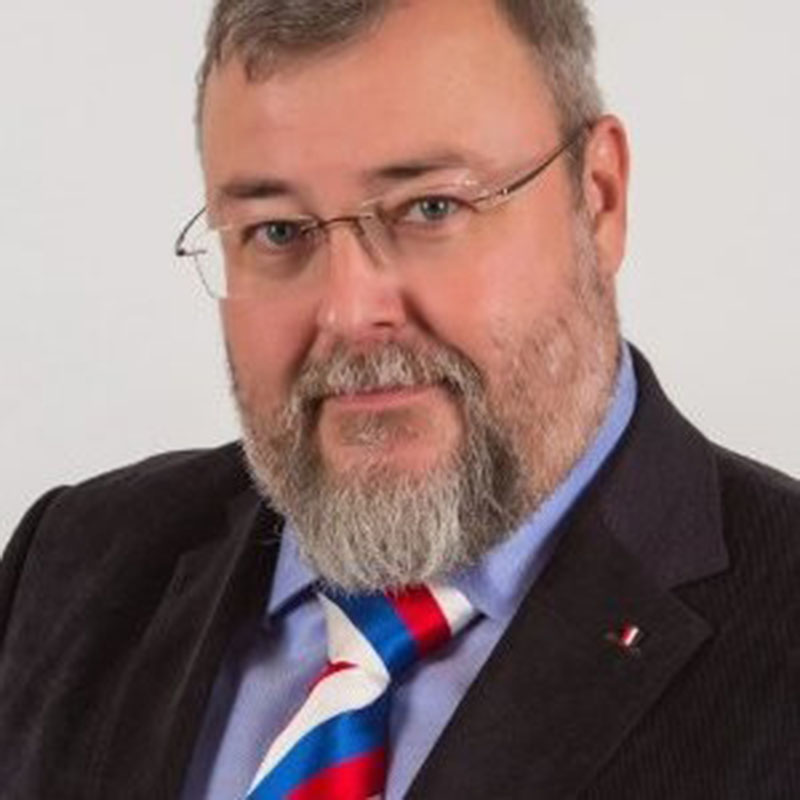
"Britain has built an environment that attracts technology, know-how and investment," said Roman Kříž, CEO of BeneMeat. "If it gives up the ability to make decisions on emerging food technologies based on its own scientific evidence, priorities and timetable, it could quickly lose this advantage. Cooperation with the EU should make trade easier, it should not prevent Britain from deciding for itself how safe innovation can be developed and commercialised."
The concern centers on the proposed UK-EU sanitary and phytosanitary, or SPS, agreement and whether novel foods could be included within closer regulatory alignment between Britain and the European Union.
In its letter, BeneMeat specifically raises the possibility that a carve-out for novel foods may not be negotiated. It argues that this could leave decisions over emerging food biotechnologies subject to rules determined outside Britain and potentially slow the introduction of new products.
For BeneMeat, the issue extends beyond cultivated meat. The company describes the technology as an early commercial application and "practical gateway" to capabilities including cell culture, bioprocessing, media development, automation and large-scale biological manufacturing.
It argues that the same knowledge, infrastructure, equipment and skilled workforce can support fields including drug development, medical research, tissue engineering, regenerative medicine, advanced materials, agriculture and industrial biomanufacturing.
BeneMeat is a spin-off of medical technology group BTL Industries and is currently bringing into operation what it believes to be Europe's largest cultivated meat pilot facility. The company said it has developed technology and industrial know-how aimed at moving cell cultivation toward commercially viable production.
"The agreement has not yet been concluded, but the uncertainty surrounding Britain’s future regulatory approach is already affecting business decisions," said Kříž. "Companies need to know whether Britain intends to remain a place where emerging food biotechnologies can be developed and commercialised. Without that clarity, investment, partnerships and expertise will move elsewhere."
The company's open letter also links regulatory autonomy to the UK's ability to compete internationally in biotechnology, pointing to the strategic importance attached to the sector by the United States, China and European Union.
BeneMeat argues that countries developing biotechnology capabilities will gain not only new products but also the intellectual property, manufacturing capacity and specialist skills associated with them.
The company is therefore asking the UK Government to ensure that any SPS agreement preserves Britain's autonomy in biotechnology, including the ability to assess and authorize products independently.
For BeneMeat, the outcome now has an immediate bearing on plans already under way. Its UK novel food application has been submitted, controlled tastings have been prepared and discussions about domestic production have taken place, but the company says further progress will wait until Britain's future regulatory pathway becomes clearer.
If you liked this, check these out...
• NAPIC invests more than £1 million in 33 UK alternative protein innovation projects
• FSA publishes new guidance to help cell-cultivated food companies navigate UK approval process
• UK government-backed report warned misinformation could drive ‘unscientific’ cultivated meat bans

Join Us At One Of Our Upcoming Events

If you have any questions or would like to get in touch with us, please email info@futureofproteinproduction.com


