

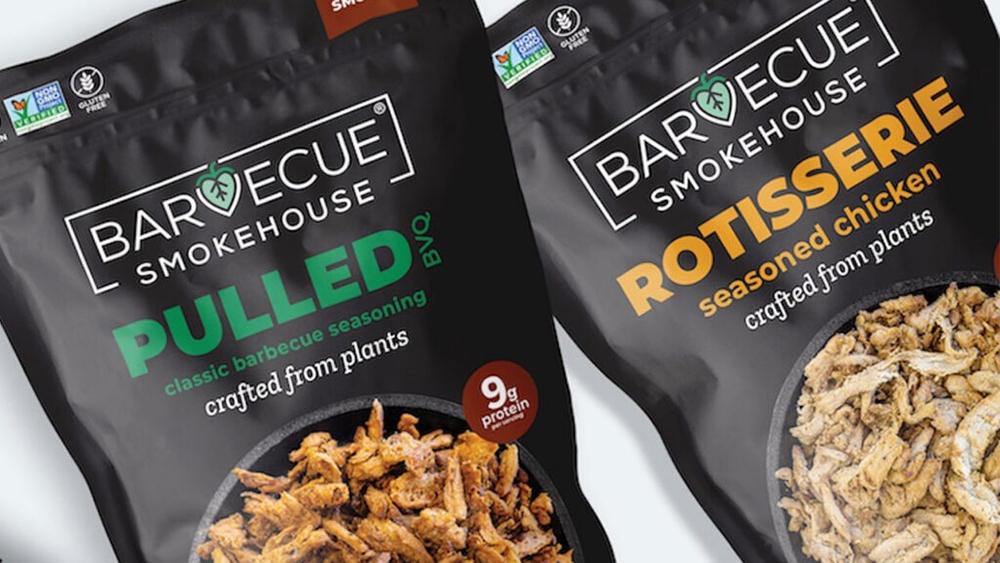
Barvecue turns up the heat with plant-based rotisserie chicken launch

Barvecue has expanded its plant-based portfolio with the launch of what it described as the first plant-based rotisserie seasoned chicken, as the company looked to tap into rising demand for convenient, protein-forward meal options that mirrored familiar animal-based formats.
The new product, Barvecue Rotisserie Seasoned Chicken, debuted in early January and was rolling out in the frozen aisle at Harris Teeter stores across the southeastern USA. It joined the company’s existing Pulled BVQ and Carnitas products, marking another step in Barvecue’s efforts to broaden its appeal beyond niche plant-based consumers and into more mainstream shopping baskets.
Based in Cornelius, North Carolina, Barvecue positioned the launch around convenience, versatility, and clean-label credentials. The company said the product was designed to replicate the flavor and texture of traditional rotisserie chicken while offering a plant-based alternative that could be quickly prepared and used across a wide range of meals.
According to Barvecue, the rotisserie seasoned chicken was developed to function as a flexible protein option, suitable for salads, wraps, bowls, and center-of-plate applications. The company framed the product as a heat-and-eat solution aimed at consumers looking to reduce prep time without compromising on taste or nutritional considerations.
Lee Cooper, CEO of Barvecue, said the launch reflected changing consumer expectations around plant-based foods. He said growing demand for healthy, simple, and convenient meal options had created space for products that went beyond novelty and focused on everyday usability.
He said the company was excited to bring a plant-based chicken product to market that elevated nutrition while maintaining flavor and texture, adding that the rotisserie seasoned chicken represented progress in Barvecue’s mission to offer plant-based proteins that appealed to everyone at the table.
The product launch came as plant-based brands increasingly focused on familiar formats, such as chicken-style products, that could be easily integrated into existing cooking routines. Rotisserie chicken, in particular, has long been positioned in conventional retail as a convenient, ready-to-use protein, and Barvecue’s move into this space reflected a broader trend toward plant-based analogs designed for everyday meals rather than specialty occasions.
Barvecue said its rotisserie seasoning was intended to capture the flavor profile consumers associated with traditional rotisserie chicken, lowering the barrier for trial among flexitarian and meat-reducing shoppers. The company also emphasized that the product was designed to be swapped directly into recipes where conventional chicken would typically be used.
From a nutritional perspective, Barvecue highlighted the product’s high protein content, low sodium formulation, and absence of cholesterol. The company also said the product was made with non-GMO ingredients, aligning with clean-label preferences that have become increasingly influential in the frozen food aisle.
The launch built on Barvecue’s broader positioning around plant-based comfort foods made with simple ingredients. Since its early days focusing on wood-smoked barbecue-style products, the company has gradually expanded into new categories while maintaining an emphasis on flavor authenticity and ease of preparation.
By placing the rotisserie seasoned chicken alongside its existing frozen products, Barvecue aimed to strengthen its shelf presence and encourage repeat purchases across multiple meal occasions. The company did not disclose pricing details, but the Harris Teeter rollout signaled continued focus on regional grocery partnerships as a route to scaling distribution.
The Southeast has historically been a stronghold for Barvecue, both geographically and culturally, making the Harris Teeter launch a strategic fit for introducing a product that drew heavily on familiar comfort food cues. The company framed the launch as part of its response to evolving consumer lifestyles, where time constraints, nutrition awareness, and interest in plant-based eating increasingly intersected.
Barvecue also continued to emphasize its corporate values alongside product innovation. The company operated as a certified B Corporation, a status it has used to signal commitments around social and environmental responsibility. While the rotisserie chicken launch centered on taste and convenience, Barvecue positioned it within a wider mission to make plant-based eating accessible and enjoyable for a broader audience.
The frozen aisle has emerged as a key battleground for plant-based brands seeking to reach mainstream consumers, offering advantages around shelf life, distribution efficiency, and convenience. Barvecue’s decision to introduce a rotisserie-style product in frozen format aligned with this shift, particularly as retailers looked to rationalize space while still offering variety within plant-based proteins.
The launch also reflected a continued move away from overtly meat-mimicking branding toward products that emphasized usage and familiarity. Rather than leaning heavily on novelty claims, Barvecue framed the rotisserie chicken around how it fit into everyday meals, a strategy increasingly adopted by plant-based brands seeking long-term relevance.
While Barvecue did not outline specific expansion timelines beyond the initial Harris Teeter rollout, the company’s growing frozen portfolio suggested ambitions to extend distribution and deepen penetration within existing retail partners. The rotisserie seasoned chicken provided an additional format that could support that strategy, particularly as consumers looked for flexible proteins that worked across multiple cuisines and occasions.
As competition in the plant-based chicken category intensified, Barvecue’s approach centered on seasoning, texture, and clean-label formulation rather than radical ingredient innovation. By anchoring the product in a well-understood format and emphasizing simplicity, the company aimed to position its latest launch as an easy entry point for consumers exploring plant-based options alongside conventional proteins.
With the rotisserie seasoned chicken now on shelves, Barvecue said it was continuing to build out a portfolio designed to meet modern expectations around convenience, nutrition, and flavor, while staying rooted in the comfort food formats that originally defined the brand.

Join Us At One Of Our Upcoming Events

If you have any questions or would like to get in touch with us, please email info@futureofproteinproduction.com


