

AuX Labs raises US$4 million to commercialize precision fermentation cheese platform

AuX Labs has secured US$4 million in funding to accelerate commercialization of its precision fermentation platform for dairy proteins, as the Toronto-based company moved to bring cheese products with conventional melt, stretch, and cooking performance to market.
• AuX Labs secured US$4 million in a funding round led by NYA Ventures and Nàdarra Ventures, with participation from Verdex Capital, Builders VC, Congruent Ventures, and Bluestein Ventures.
• The company said the capital would be used to ramp manufacturing, expand its team, and support foodservice and consumer partnerships focused on high-performance cheese applications.
• AuX Labs said its casein received self-affirmed GRAS status in April 2025 and that it had already been piloting with customers ahead of a broader launch.
The round was led by NYA Ventures and Nàdarra Ventures, with participation from Verdex Capital and Builders VC, and included continued backing from Congruent Ventures and Bluestein Ventures. AuX Labs said the new capital would help speed up the launch of a platform designed to produce real dairy proteins through precision fermentation, targeting products that performed like traditional cheese while remaining commercially viable at scale.
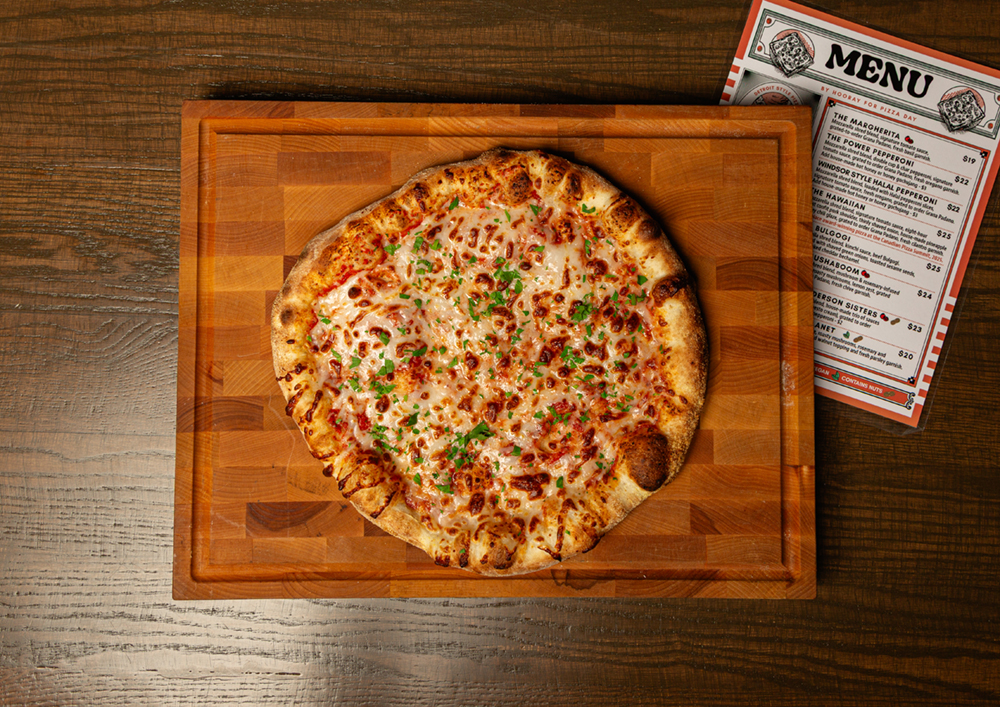
The company set out its pitch around one of the sector’s most persistent challenges: getting consumers to accept cheese alternatives that often struggled on texture, melt, and cooking performance. AuX Labs argued that its technology had been built specifically to address that gap, with a focus on products that worked in familiar, high-frequency settings such as pizza and grilled cheese rather than niche or limited-run launches.
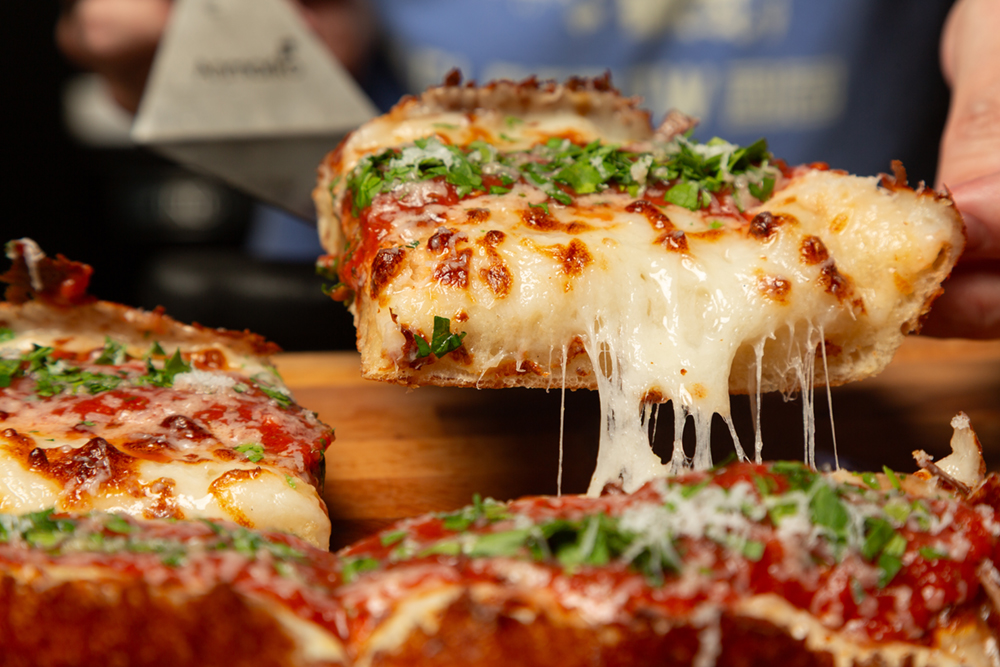
It also tied that commercial argument to scale. In the release, the company said its platform had been built to expand from the outset, allowing it to target everyday operators and mainstream consumers rather than relying on scarcity-led launches that confined products to a small number of venues.
Ted Jin, founder and CEO of AuX Labs, said: “Most alternatives in this space have asked consumers to accept a trade-off. We built our technology specifically so they don't have to.
“What makes this platform different is that it scales. We are not rationing products into a handful of restaurants and hoping the story holds when people try it at home. We can be where consumers actually are, like the neighborhood pizzeria and the local cafe, and deliver the same experience every time. That consistency is what builds lasting trust, and this funding gives us the runway to deliver it.”
That emphasis on consistency ran through the company’s planned route to market. AuX Labs said it intended to commercialize through a partnership-led strategy, selecting launch partners based on everyday performance and accessibility rather than exclusivity. The aim, it said, was to ensure that the product consumers encountered in foodservice matched what they could later buy for home use, reducing one of the disconnects that had affected earlier food-tech launches.
The company also placed its opportunity within the size of the wider category, citing the more than US$200 billion global cheese market. Against that backdrop, it said investors had backed its ability to enter a mass-market segment with products capable of performing reliably in real-world applications.
AuX Labs further pointed to consumer research it said supported the commercial case. According to the company, consumer appeal rose materially when people understood how the product melted, stretched, and cooked. The release also stated that most consumers ate cheese daily, while many viewed existing alternatives as falling short on core performance attributes.
For investors, that appeared to strengthen the argument that functionality, manufacturability, and economics would matter more than novelty alone.
Alison Sunstrum, managing partner at NYA Ventures, said: “AuX Labs stands out because they are solving a real market problem with discipline and technical rigor. Their focus on unit economics, manufacturability, and performance, rather than positioning, is what gives this business durability. They are building the foundations of a scalable platform that can compete in one of the largest food categories in the world.”
Nàdarra Ventures also deepened its involvement in the company. AuX Labs said Mary Dimou, managing partner at Nàdarra Ventures, had joined its board of directors as part of the deal.
Dimou said: “What makes AuX Labs truly exceptional is the technological breadth of its platform. The ability to expand this system across multiple high-value proteins is highly unique, and it unlocks an extraordinary range of future applications. The growth potential of this business is not linear, it’s exponential, driven by a platform that can scale across products, markets, and use cases. We’re excited to support the team as they build a category-leading, next-generation food company.”
Alongside the financing news, AuX Labs said its casein had obtained self-affirmed GRAS status in April 2025, a milestone that helped support its move toward broader commercialization. The company added that it had already been piloting with customers ahead of launch.
The newly raised capital is set to go toward manufacturing scale-up, team expansion, and the development of foodservice and consumer partnerships centered on applications where melt and stretch are essential. That kept the company firmly focused on cheese formats where functional performance would be judged immediately by operators and consumers alike.

Join Us At One Of Our Upcoming Events

If you have any questions or would like to get in touch with us, please email info@futureofproteinproduction.com


