
Happy Plant Protein bets on local legumes to rewire Europe’s protein supply chain

Happy Plant Protein has unveiled a strategy aimed at strengthening regional protein self-sufficiency, positioning its patented dry extrusion technology as a way for mills, farms and agricultural co-operatives to move beyond low-margin commodity flour and into higher-value plant protein production.
The Helsinki-based FoodTech company has developed a flour-based processing system that converts locally grown crops such as pea, faba bean, oat and soy directly into textured vegetable protein tailored for food applications. By enabling protein ingredients to be produced closer to the source of raw materials, the company has set out to reduce reliance on imported protein inputs and reinforce regional supply chains.
• Happy Plant Protein has introduced a patented dry extrusion technology to convert local legume flour into textured vegetable protein in a single step.
• The company stated the process can multiply the value of locally produced flour by up to seven times compared to conventional commodity use.
• The flour-based system avoids solvent extraction and reduces water and energy use compared to wet fractionation processes.
Plant-based protein demand has continued to expand across categories, from meat alternatives and hybrid products to protein-enriched foods. Yet much of the value creation in plant protein processing has remained concentrated in large, capital-intensive isolation facilities, often located far from where crops are grown.
Happy Plant Protein has argued that this structure leaves mills managing volume and price volatility, while higher margins are captured elsewhere in the value chain. Its approach has been designed to alter that equation.
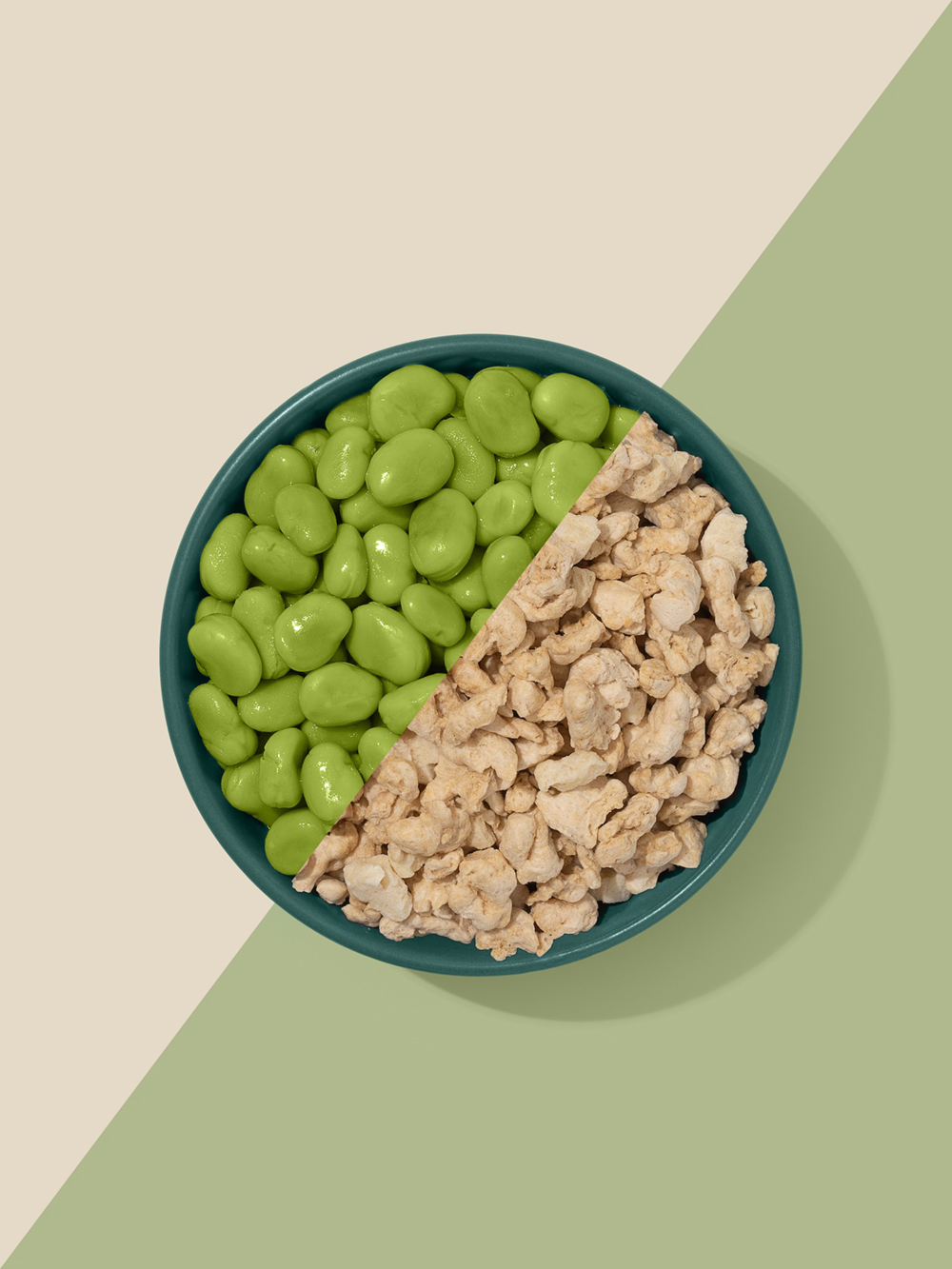
Through a single-step dry extrusion process, standard legume flour has been transformed directly into food-grade functional protein. The company reported that this enables regional protein production using legumes as the primary raw material, without the need for complex fractionation or chemical extraction.
Depending on the application and market, the technology can multiply the value of locally produced flour by up to seven times compared to conventional commodity uses, according to the company. That shift has been presented as an opportunity for mills and co-operatives to move legumes from feed and bulk markets into higher-value food applications, generate new revenue streams from existing crops, and expand product portfolios using familiar infrastructure.
The process has been built around ordinary legume flour as its starting point. Unlike conventional wet fractionation, which typically involves solvent-based extraction, intensive water use and energy-demanding drying stages, Happy Plant Protein’s system has avoided chemical side streams and reduced water and energy requirements.
The company stated that its technology has been designed for real-world production, describing it as scalable, compatible with multiple locally grown crops and implementable with minimal additional investment. It has also highlighted clean-label credentials, as the process converts flour directly into textured protein without isolates or chemicals.
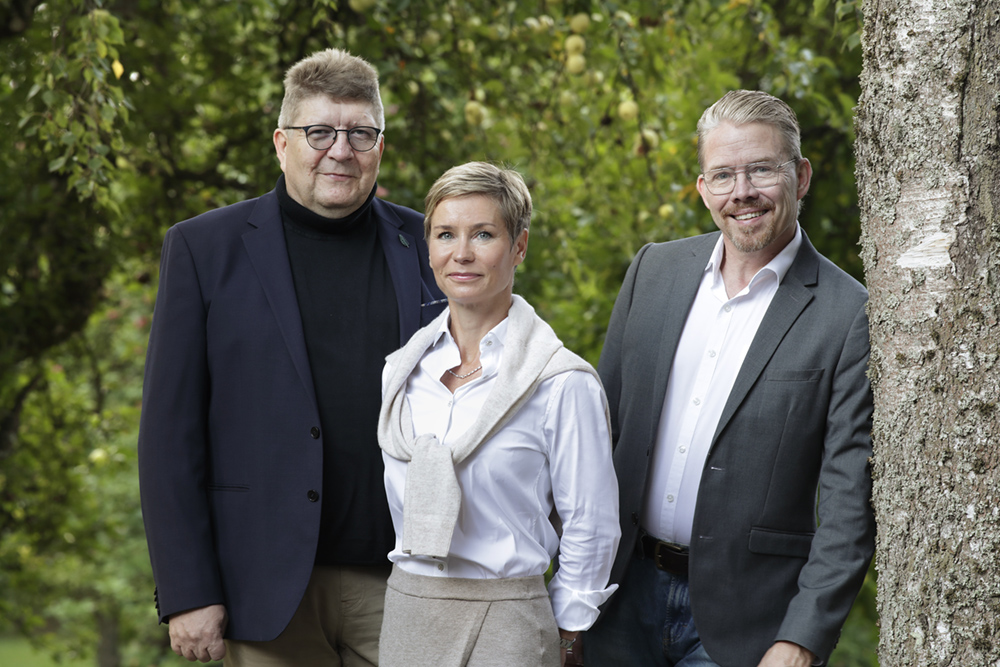
Jari Karlsson, CEO & Founder of Happy Plant Protein, said: “The future of plant-based products is not only about better ingredients, it is about smarter processing built for real-world production and scalable growth.”
He added: “With increasing geopolitical uncertainty, volatile import markets and rising demand for plant-based foods, regional protein production has become a strategic priority for many, who are part of the food industry.”
Karlsson also pointed to sensory performance as a critical factor in adoption. “Importantly, the technology delivers strong sensory performance. The resulting protein ingredients offer neutral taste and reliable texture – two of the most critical factors in successful plant-based product development,” he said.
Off-flavors, particularly bitter and beany notes, have long posed challenges for plant-based proteins derived from legumes. Happy Plant Protein stated that its technology has been developed to tackle these sensory hurdles while maintaining functionality across applications.
The resulting textured vegetable proteins have been positioned for use in plant-based and hybrid meat products, as well as protein-enriched foods, allowing manufacturers to respond to rising protein expectations without relying solely on imported isolates.
By anchoring protein production closer to crop cultivation, the company has linked its technology to broader discussions around food security and supply chain resilience. Regional processing can reduce exposure to geopolitical disruptions, trade volatility and resource constraints, while potentially retaining more economic value within farming regions.
Happy Plant Protein has confirmed that it is seeking collaboration with mills, agricultural co-operatives and food manufacturers interested in implementing the technology to strengthen regional protein production and move up the value chain.
Founded in Finland, Happy Plant Protein Oy has focused on developing sustainable, clean-label protein ingredients for the global food industry. Its patented one-step process has converted flour directly into textured protein without isolates, chemicals or waste, and has been designed for integration into existing manufacturing environments.
As demand for plant-based and hybrid products continues to grow, the company has positioned its flour-based dry extrusion system as a practical alternative to conventional protein isolation, offering mills and producers a pathway from commodity crops to functional food ingredients produced at source.

Join Us At One Of Our Upcoming Events

If you have any questions or would like to get in touch with us, please email info@futureofproteinproduction.com


