From bran to binding: wheat byproduct transformed into functional ingredient for plant-based foods

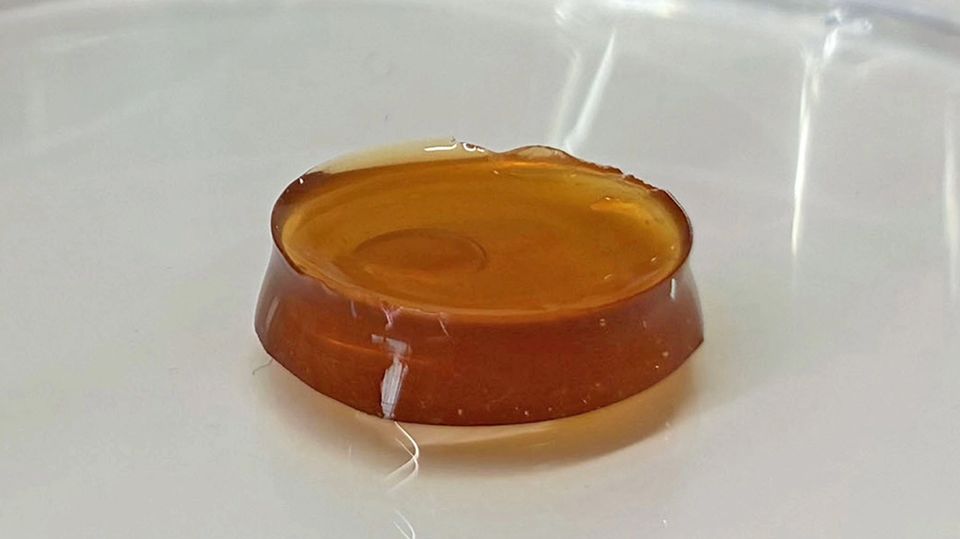
Researchers in Sweden have developed a fully plant-based gel using wheat bran and wheat protein, offering a new way to turn one of the grain industry’s most underutilized byproducts into a functional food ingredient.
• Researchers at KTH Royal Institute of Technology have created a plant-based gel using wheat bran fiber and wheat gluten protein.
• The study demonstrated a method to improve plant protein functionality by embedding it within a fiber-based gel network.
• The approach could enable new applications in plant-based foods while adding value to agricultural side streams.
The work, carried out at KTH Royal Institute of Technology, focused on transforming wheat bran – a byproduct of flour milling typically used in animal feed – into a structured gel capable of delivering both texture and nutritional value in food applications.
By extracting arabinoxylan, a naturally occurring fiber in wheat bran, and combining it with wheat gluten protein, the research team developed a hydrogel system that could be used to thicken, stabilize and structure a range of food products.
The study marked the first time wheat gluten protein has been successfully incorporated into bran-based hydrogels in this way, replacing the need for animal-derived proteins traditionally used in similar systems.
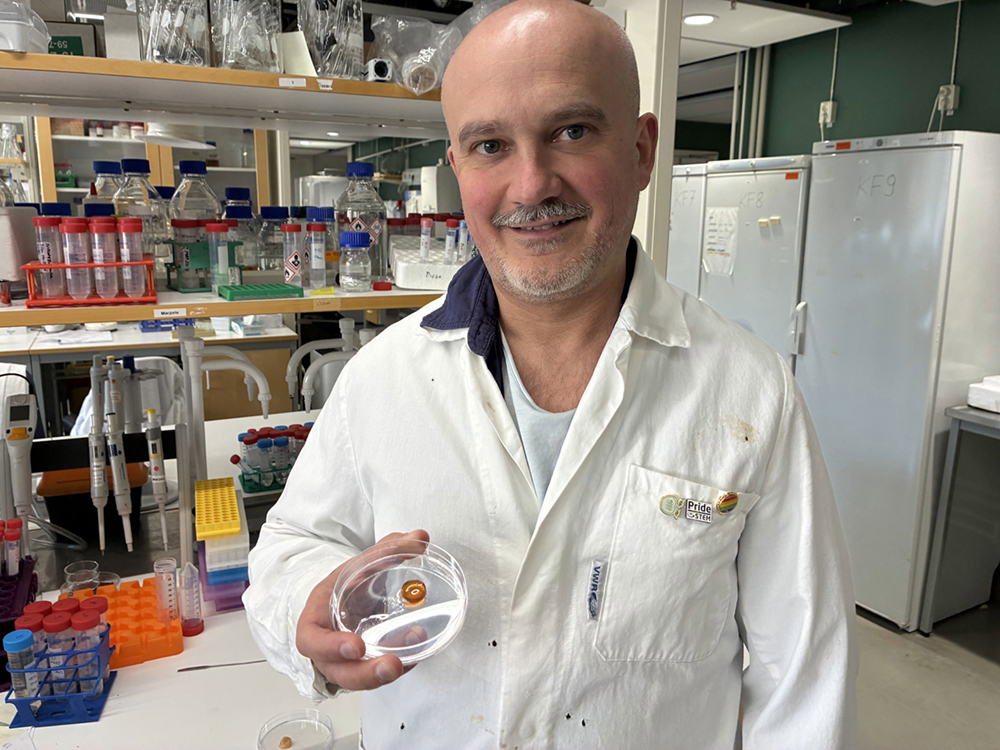
Professor Francisco Vilaplana, who led the research at KTH, said the work addressed a longstanding challenge in food formulation.
“That’s in contrast to the rough and fibrous mouth-feel of wheat bran, which normally prevents us from enjoying it in healthy food products,” he said.
The approach relied on an enzyme-driven process to create the gel structure. The team used laccase to link the arabinoxylan molecules, forming a stable fiber network. Wheat protein was then incorporated into this structure, becoming physically embedded within the gel matrix.
This interaction between fiber and protein proved critical. Plant proteins often struggle to form stable gels on their own, resulting in textures that can be brittle, uneven or sensitive to changes in salt, pH or temperature.
By contrast, embedding the protein within the fiber network improved its behavior, allowing the system to maintain structure and stability under a wider range of conditions.
The result is a material that combines two desirable attributes in food formulation: functionality and nutrition. Wheat bran provides dietary fiber, while wheat gluten contributes protein, creating a dual-purpose ingredient that could support both texture and nutritional claims.
Potential applications include plant-based meat and dairy alternatives, sauces, high-fiber snacks and products designed for sports or medical nutrition. The researchers also indicated that the approach may be adaptable to other plant proteins, including pea and soy.
Beyond functionality, the work highlights a broader opportunity to revalue agricultural side streams.
Millions of tons of wheat bran are generated globally each year as a byproduct of flour production. While rich in nutrients, its coarse texture and processing challenges have limited its use in human food applications.
The ability to convert this material into a functional ingredient could shift its role within the food system, moving it from a low-value feed input to a higher-value component in formulated products.
Vilaplana said the research forms part of a wider effort to improve resource efficiency within food systems.
“This could add new value to agricultural side streams that are already produced in huge amounts but not used in human food,” he said.
The work was carried out within the PLENTY research center at KTH, which focuses on biotechnological approaches to reducing food waste and improving circularity in supply chains.
While the study remains at an early stage, it reflects growing interest in ingredient systems that combine sustainability with performance. As demand for plant-based foods continues to expand, the ability to deliver consistent texture, stability and sensory quality remains a key challenge for manufacturers.
Developments that improve the functionality of plant-derived ingredients, particularly those sourced from existing waste streams, are likely to play an increasing role in addressing that challenge.
The findings were published in the journal Food Hydrocolloids.

Join Us At One Of Our Upcoming Events

If you have any questions or would like to get in touch with us, please email info@futureofproteinproduction.com

More News