Finally Foods closes pre-seed round to scale plant-based casein production in potatoes

Finally Foods has reported a key technical milestone in its effort to produce dairy-identical casein proteins in plants, alongside the closing of its pre-seed funding round, as molecular farming continues to emerge as a potential third pathway in alternative protein production.
• Finally Foods closed a pre-seed funding round led by CBC Group, with participation from I-Lab Angels and other investors.
• The company reported progress in expressing all four casein subunits within a single potato plant.
• Plans are underway to initiate US field trials in 2027 as part of its scale-up and regulatory pathway.
The Rehovot-based startup confirmed that the round, originally led by CBC Group (Coca-Cola Israel), included additional backing from I-Lab Angels, US-based investors and private participants. As part of the investment, Alon Lederman joined the company’s board of directors, while David Rosenblatt and Terri Cohen Alpert supported the fundraising process.

The company also expanded its advisory board with the addition of Ken Meyers, President of MCT Dairies, and Amy Trakinski, former managing director at VegInvest, adding industry and investment expertise as it moves toward its next phase of development.
At the center of the announcement is a technical milestone that speaks directly to one of the most persistent challenges in alternative dairy: replicating the functional complexity of casein. The company reported that its latest research trial focused on expressing all four casein subunits within a single potato, a step it described as enabling the formation of functional casein structures directly within the plant.
Casein is the primary protein in milk and is responsible for many of the characteristics that define dairy products, particularly cheese. Its ability to form micellar structures underpins melt, stretch, and emulsification properties, making it one of the most difficult proteins to replicate outside of traditional animal agriculture.
Finally Foods’ approach is based on molecular farming, a production method that uses genetically engineered plants as biological factories for producing high-value proteins. While precision fermentation has dominated recent efforts to produce animal-identical proteins, molecular farming offers a different pathway, one that leverages existing agricultural systems rather than industrial bioreactors.
Founded in 2024 through The Kitchen FoodTech Hub in partnership with Evogene, Finally Foods has focused on building a platform capable of producing complex dairy proteins in plants, with casein as its initial target. The company has selected potatoes as its host crop, citing both biological and industrial advantages.
Dafna Gabbay, co-founder and CEO of Finally Foods, has previously challenged the assumption that plant-based protein production is inherently inefficient. She noted that while extraction can be complex in some crops, potato-based systems offer a more viable route, both technically and commercially.
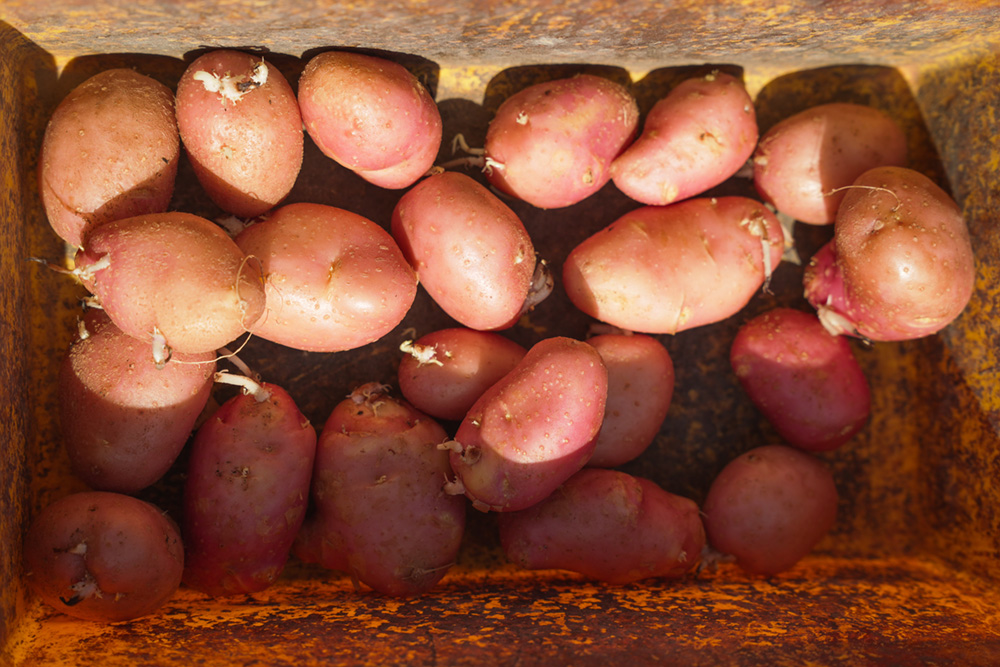
The choice of potato is central to the company’s strategy. Unlike some other crops, potatoes are capable of high levels of protein expression and can be propagated clonally, meaning each plant is genetically identical. This reduces variability between batches, an important factor when aiming to produce consistent, functional proteins at scale.
Consistency remains a critical requirement for any alternative protein platform, particularly for applications such as cheese, where small differences in protein structure can significantly affect performance. By leveraging the clonal nature of potatoes, Finally Foods aims to deliver uniform protein expression across production cycles, addressing one of the key barriers to commercialization.
The company has also taken a different approach to processing. In conventional potato processing, protein is typically treated as a secondary output, with starch as the primary product. Finally Foods has reversed this model, designing its system with protein extraction as the primary objective and starch as a secondary byproduct.
This shift allows the company to optimize purification processes specifically for casein, improving both yield and functionality. The ability to produce high-purity, functional casein is essential if plant-based systems are to compete with traditional dairy or fermentation-derived alternatives.
The platform is supported by Evogene’s computational biology capabilities, which enable the design and optimization of genetic sequences used to express casein in the host plant. This AI-driven approach reduces reliance on trial-and-error experimentation and accelerates development timelines.
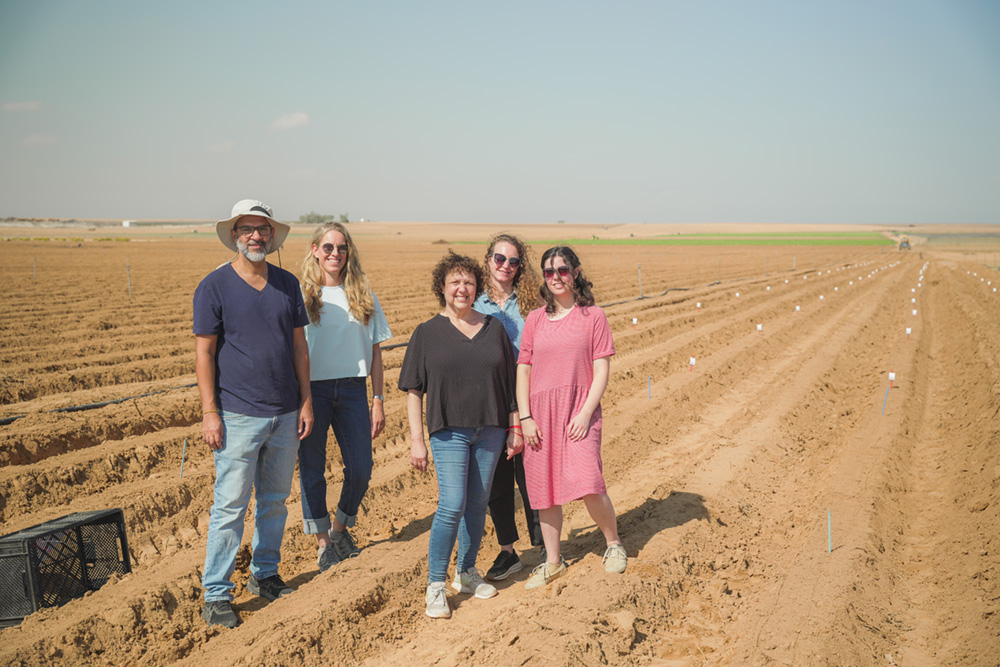
Gabbay has previously said the company was able to reach its first field trial within 10 months of formation, highlighting the speed of its development process. The current milestone builds on that early progress, moving the company closer to functional validation of its platform.
Despite this progress, molecular farming remains at an early stage compared with more established approaches such as precision fermentation. While plant-based systems may offer advantages in terms of cost and scalability, they also face challenges related to regulatory approval, yield optimization and environmental variability.
Finally Foods has begun addressing these issues as it prepares for its next phase of development. The company plans to initiate field trials in the United States in 2027, a step that will be critical in demonstrating the scalability of its approach under real-world conditions.
As part of its regulatory strategy, the company has joined the Animal Protein Crop Stewardship (APCS) program, a framework designed to support the responsible development of crops engineered to produce animal proteins. Participation in the program is intended to help navigate emerging regulatory requirements and build trust with stakeholders.
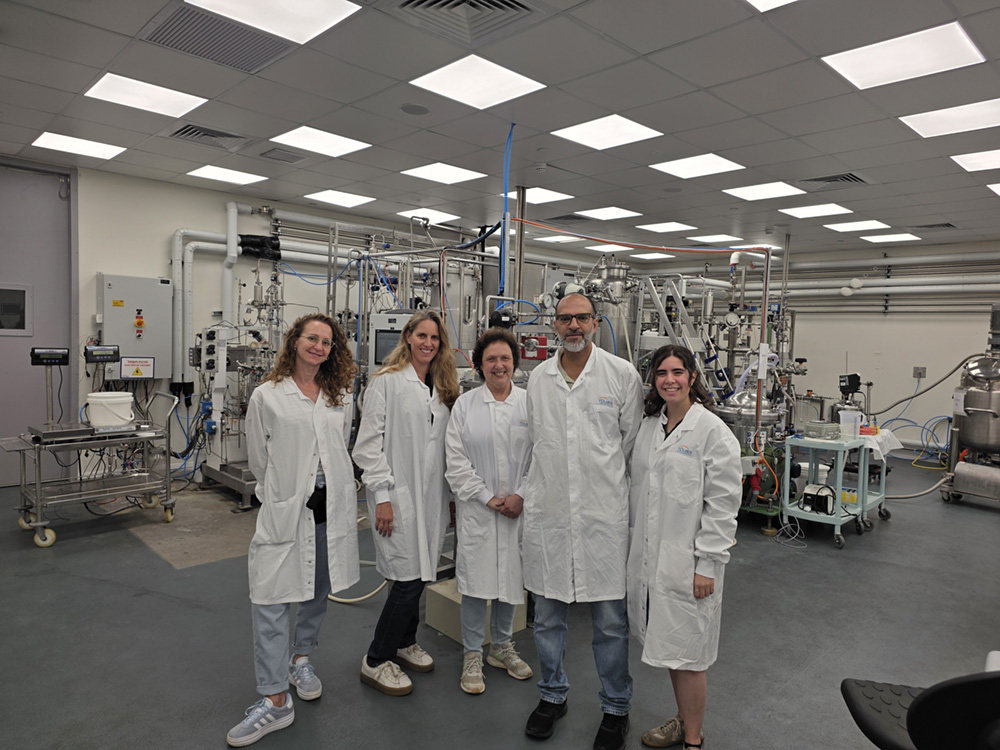
Investor support reflects growing interest in molecular farming as part of the broader alternative protein landscape. David Rosenblatt of I-Lab Angels said the group was supporting the company at an important stage of growth and looked forward to working with its leadership team as it moves toward scale-up.
Dafna Gabbay said the company was continuing to deliver on its development milestones while preparing for its next phase, adding that the team was focused on advancing toward scalable production and commercial progress.
The broader significance of Finally Foods’ work lies in how it expands the range of technological pathways available to the food industry. While fermentation and cell-cultivated approaches have attracted the majority of attention and investment, molecular farming offers a complementary model that could integrate more directly with existing agricultural and food processing systems.
If successful, this approach could enable the production of complex proteins at scale using conventional farming infrastructure, potentially reducing capital requirements and lowering costs. At the same time, it introduces new questions around supply chains, standardization and environmental impact, particularly as production moves from controlled environments into open-field agriculture.
The company’s focus on casein highlights both the opportunity and the challenge. While demand for dairy alternatives continues to grow, achieving parity with conventional products has proven difficult, particularly in categories such as cheese where functionality is critical.
By targeting casein directly, Finally Foods is attempting to address this gap at its source. Whether plant-based systems can consistently deliver the required performance at scale remains to be seen, but the company’s progress suggests that molecular farming is beginning to move beyond early-stage experimentation.
With plans to open a seed funding round later this year, Finally Foods is positioning itself to accelerate development and expand its capabilities. As the alternative protein sector continues to evolve, the emergence of multiple production platforms may prove essential in meeting the diverse technical and economic challenges of the global food system.
Rather than replacing existing methods, molecular farming may ultimately become part of a broader, hybrid approach to protein production, one that combines the strengths of agriculture, biotechnology and food science.
For now, Finally Foods’ latest milestone marks a step toward that possibility, as the company works to demonstrate that plants can do more than feed the system - they can help build it.

Join Us At One Of Our Upcoming Events

If you have any questions or would like to get in touch with us, please email info@futureofproteinproduction.com

More News