The ‘Impossibly’ complicated case of recombinant soy leghemoglobin in the EU
On 28 June 2024, the European Food Safety Authority (EFSA) published their scientific opinion on the safety of soy leghemoglobin from genetically modified Komagataella phaffii as a food additive. This opinion was eagerly anticipated, especially since EFSA concluded that the product does not raise safety concerns at the proposed use and use level. However, this publication represents only a fraction of the complex journey of this ingredient’s route to approval in the European Union.
The story begins in the USA, where Impossible Foods received a ‘no questions’ letter from the Food and Drug Administration (FDA) regarding soy leghemoglobin’s status
as a generally recognized as safe (GRAS) food ingredient in 2018. This followed an initial GRAS notice submission in 2014, its withdrawal in 2015, and resubmission in 2017. Additionally, due to its food coloring properties, Impossible submitted a pre-market authorization under the Color Additive Petition pathway in 2018 and received approval in 2019. The ingredient has since been approved for use in multiple countries, including Australia, New Zealand, Canada and Singapore.
In the EU, Impossible submitted a dossier on 7 October 2019 in accordance with Regulation (EC) No. 1829/2003 on genetically modified food and feed to the GMO office in the Netherlands. The Dutch Authority forwarded the dossier to EFSA, which validated it on 15 December 2021. The dossier was clock-stopped on 21 December 2021 and remains so to this day.
There is a lot of confusion about what falls in the scope of the GM food/feed regulation, causing anxiety within the industry
In January 2022, the EC sent a mandate to EFSA to perform a risk assessment on the use of soy leghemoglobin as a food additive under Regulation (EC) No. 1331/2008. EFSA validated this dossier on 23 June 2022 and began their risk assessment. After approximately 24 months and four clock-stops, EFSA published a positive opinion. However, the food additive assessment is provisional, pending the ongoing evaluation of the genetic modification by the EFSA GMO Panel.
It is crucial to note that even if the EFSA opinion on the GM food application is positive, both applications will need to go through risk management and be approved by the EC and Member States.
So, why did Impossible submit a GM food application? According to the public summary for the GM food dossier, Impossible categorized its product according to EFSA guidance on genetically modified microorganisms (GMMs) as a Category 3 GMM. This category includes products derived from GMMs in which the GMMs capable of multiplication or transferring genes are not present, but newly introduced genes are still present.
According to the public summary published by Food Standards Australia and New Zealand (FSANZ), DNA from the GMM is present in soy leghemoglobin at approximately 300mg/L. Ingesting DNA is not a safety concern as we ingest grams of DNA on a daily basis as part of a normal diet. However, it is important to note that
the GMM categories and the 10ng/g threshold for the limit of detection of GMM DNA are outlined in EFSA guidance documents and are not written in the legislation.
Based on the current legislation, fermentation ingredients obtained through the use of GMMs under contained use do not fall in scope of the GM food/feed regulation unless they contain live GMMs. Hence, there is a lot of confusion about what falls in the scope of the GM food/feed regulation, causing anxiety within the industry, especially for startups working on precision fermentation-derived ingredients.
A paper by Lensch et al. (2022) highlights the issue in the EU regarding the presence of recombinant DNA (rDNA). The authors emphasize that there is a misconception that the presence of rDNA indicates the presence of GMOs, and clarify that rDNA released from lysed cells cannot replicate outside the organism. The relevant regulatory criterion remains presence of viable cells of the production organism. Despite this, the detection of rDNA has led to legal uncertainty and imposes significant burdens on the fermentation industry. The European Commission is currently in discussions with EU Member States to clarify this issue.
Although we will have to continue waiting until we can get our teeth into an Impossible Burger here in the European Union, we do desperately need regulatory clarity on this critical issue.
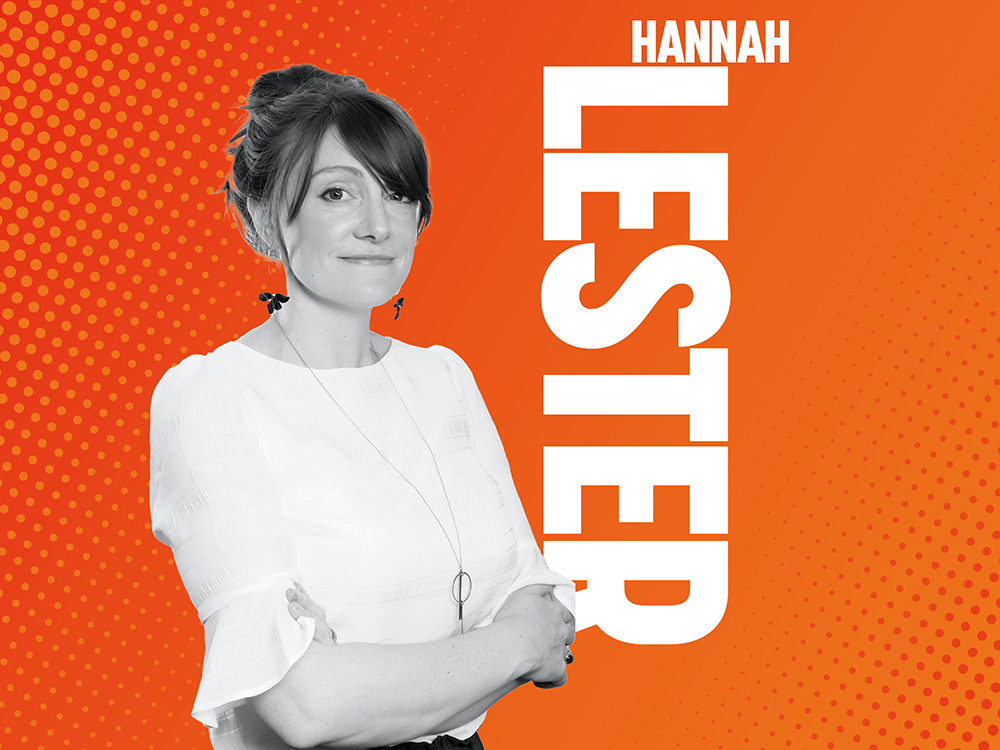
Dr Hannah Lester is the CEO of Atova Regulatory Consulting and also Head of Regulatory Strategy at Gourmey. This article is republished from the Q3 2024 edition of Protein Production Technology International, the industry's leading resource for alternative proteins. To subscribe to all future editions, please click here
If you have any questions or would like to get in touch with us, please email info@futureofproteinproduction.com

More Opinion

Food biomanufacturing: A national security issue
Creating a new protein sector: Part II

Trade secrets: when, how and why to use them


The criticality of conducting LCAs


Creating a new protein sector: Part I


Protecting IP on a budget


Will the UK become the new Singapore?