Are regulatory sandboxes the solution for clearer requirements and faster approvals?
As innovation in food tech continues to accelerate – spanning cell-cultivated food, molecular farming, and synbio – the challenge of regulating novel foods has become more complex. In many jurisdictions, traditional regulatory frameworks remain slow, opaque, and rigid, often struggling to keep pace with scientific advancements. This leads to delayed market access and increased uncertainty.
In this context, regulatory sandboxes have emerged as a potentially transformative solution, offering a way for regulators and innovators to work together in a controlled environment, aiming to improve clarity and accelerate regulatory approvals. But can this approach truly deliver clearer requirements and faster approvals for novel foods?
Regulatory sandboxes focus on early-stage dialogue, allowing innovators to understand data requirements from the outset and creating a forum for them to educate regulators and risk assessors about their technology. For novel foods, there is also scope for pre-market tastings, discussion of labeling requirements, and consumer acceptance. This approach enables regulators and risk assessors to prepare fit-for-purpose guidance and accelerate progress by informing key policy decisions. It also allows regulators to learn about emerging technologies, build expertise, and refine policy frameworks based on empirical data.
Several countries have already implemented regulatory sandboxes with promising results. Israel launched a two-year program that included four food-tech companies. The outcome resulted in one cultivated meat approval (Aleph Farms) and one precision fermentation approval (Remilk). In 2024, South Korea announced it would set up a ‘regulation-free special zone’ for 10 cultivated meat companies to develop products in a flexible regulatory environment. However, to date, there have been no regulatory approvals.
With the right structure and governance, regulatory sandboxes can help bridge the gap between innovation and regulation
In the UK, the Food Standards Agency (FSA) launched its pioneering Cell Cultivated Product (CCP) regulatory sandbox in March 2025, with eight companies selected for the two-year program. The aim is to gather scientific evidence and data on CCPs and how they are made, to inform how the FSA and Food Standards Scotland (FSS) regulate these products. The FSA aims to approve at least two CCPs during this period – so watch this space.
Meanwhile, in the EU, Spain has launched its first Regulatory Sandbox for the Agrifood Industry in collaboration with the Ministries of Science, Innovation, and Agriculture, along with the regional governments of Navarra and La Rioja. The initiative is coordinated through the National Centre for Food Technology and Safety (CNTA) and its innovation platform, Eatex Food Innovation Hub. The sandbox aims to facilitate the testing and validation of disruptive food technologies, help define regulatory frameworks that are both science-based and innovation-friendly, increase regulatory certainty for new food products, and position Spain as a European leader
in food innovation policy.
However, sandboxes are not a guaranteed solution to accelerate approvals. Their success depends on thoughtful design and political will. Key challenges include significant resource allocation – sandboxes require dedicated regulatory staff, time, and cross-agency coordination. Managing many participants can dilute meaningful dialogue and outcomes. Without transparent criteria, they may favor better-connected or larger companies. Participation in a sandbox does not guarantee approval, which may still depend on broader policy adoption and legislative change.
Finally, it is important to emphasize that sandboxes are not a form of deregulation. Rather, they complement existing frameworks by introducing agility without compromising safety. This is critical for building consumer trust in novel foods.
For countries seeking to remain competitive in novel food technologies, regulatory agility is essential. Sandboxes provide an interesting tool, offering a pragmatic pathway toward clearer requirements and potentially faster approvals. However, their implementation and success require a cultural shift toward a collaborative framework, where innovation and regulators work together. With the right structure and governance, regulatory sandboxes can help bridge the gap between innovation and regulation.
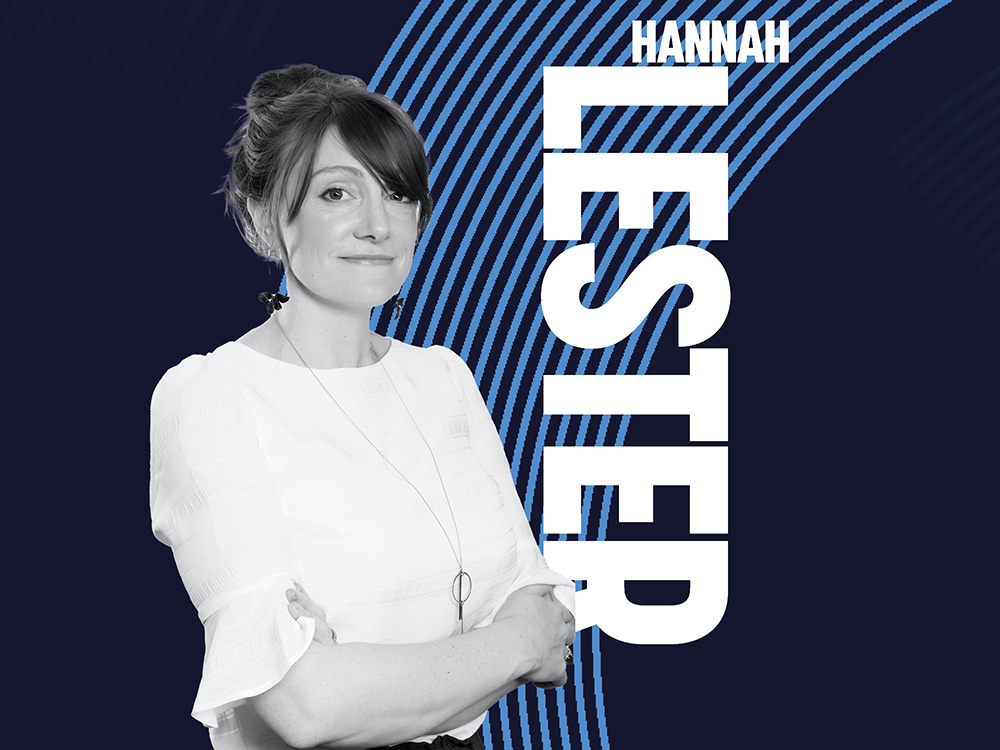
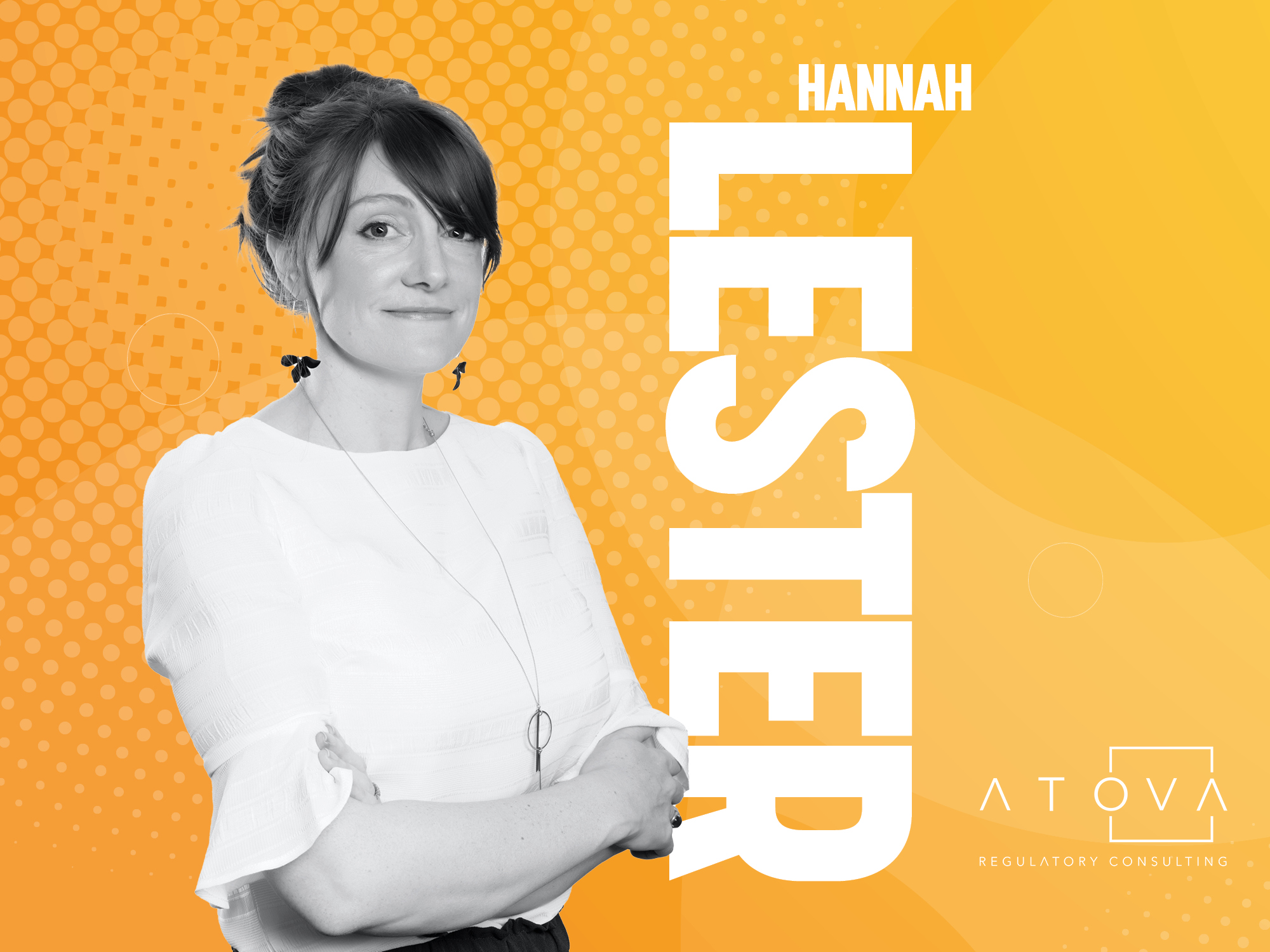
Dr Hannah Lester is the CEO of Atova Regulatory Consulting and also Head of Regulatory Strategy at Gourmey. This article is republished from the Q2 2025 edition of Protein Production Technology International, the industry's leading resource for alternative proteins. To subscribe to all future editions, please click here
If you have any questions or would like to get in touch with us, please email info@futureofproteinproduction.com

More Opinion


Food biomanufacturing: A national security issue

Creating a new protein sector: Part II
Trade secrets: when, how and why to use them



The criticality of conducting LCAs


Creating a new protein sector: Part I


Protecting IP on a budget

Will the UK become the new Singapore?