


Ones to Watch: Future catch
With fish stocks dwindling, ecosystems polluted, and demand climbing, a new wave of innovators is reimagining how we source seafood with clean, resilient, and scalable alternatives. Nick Bradley explores the companies working to build a sustainable future beyond the ocean
Seafood sits at the sharp end of the global protein equation. Demand is climbing while wild catches plateau and aquaculture faces biological, environmental, and geographic constraints. At the same time, supply chains are strained by climate volatility, pollutants, and disease risk. If we keep relying on yesterday’s systems, tomorrow’s plates will come up short. The innovators featured over the next dozen pages believe a different toolkit is now required – cell-cultivated seafood, precision fermentation, and smart partnerships that turn lab insights into viable products at scale.
This cohort of 12 is notably pragmatic. Rather than chase moonshots, they are aligning species choice, formats, and business models with the realities of regulation and unit economics. Premium species such as caviar, bluefin tuna or coho salmon can help finance the early years because chefs and consumers already prize them. Minced and mixed applications can reach market sooner because they do not demand intricate whole-cut textures. Mycoprotein can deliver cleaner labels and compelling nutrition while advanced structuring techniques add the bite and flake consumers expect. Across the board, the goal is not novelty for its own sake but dependable, clean protein that fits modern supply chains.
Cracking the scale-up challenge
Scale remains the crucible though. Bioreactors, media, and downstream processing must converge with facility design and quality systems to deliver consistent cost curves. Several companies here favor capital-light routes – licensing, contract manufacturing, and B2B partnerships – to accelerate deployment and reduce risk. Others are building flexible pilot lines that can adapt as processes mature. Most are developing techno-economic models early, because choices made today will lock in tomorrow’s costs.
Regulation is the sixth force shaping this market. Approvals and guidance in the USA, Singapore, and Japan are starting to clarify expectations, yet timelines still demand patience and transparency. The leaders highlighted in this feature treat agencies as partners, sharing process detail early so concerns can be resolved before equipment is bolted to the floor.
Ultimately, the bigger picture is hard to ignore. Oceans are warming and crowded with contaminants. Fisheries are under pressure. Yet consumers want seafood that is delicious, traceable, and safe. These companies are not asking diners to compromise. They are stitching together biology, engineering, and commercial discipline to build a third way for seafood – one that strengthens resilience, complements wild-catch and aquaculture, and gives nations more control over their protein supply. The need is urgent. The playbook is evolving. And the next wave of seafood may be grown with intention, not taken on chance.
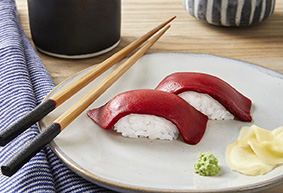
Rethinking scale and partnerships in cultivated seafood
“When I joined Finless Foods in 2019, my roles expanded from building an R&D team to fostering a cohesive company culture and overseeing our pilot facility buildout during the pandemic,” recalls Brandon Chen, CEO. “Those experiences and challenges shaped my approach as CEO to be grounded in the reality and state of technology innovation when navigating a path forward for Finless in a dynamic business environment.”
That grounding has been critical as the company recalibrates. Finless, best known for its cell-cultivated Pacific bluefin tuna, has shifted from a consumer-facing model to one built on partnerships. “Over a year ago, we moved to a business-to-business model,” says Chen. “The change was driven by funding challenges and the cyclic economy. We now focus on building partnerships to accelerate market entry while continuing to seek US FDA approval.”
The opportunity for alternative seafood remains uncertain but potentially vast. “Market size projections for alternative seafood vary significantly,” Chen admits. “Technology readiness is critical to enable manufacturing at scale at a reasonable price. Along with consumer demand, these two factors are requisites for achieving a healthy balance of supply and demand.”

Regulation, he adds, plays a decisive role. “It is often considered a sixth force in Michael Porter’s Five Forces of industry analysis. In the past two years, we’ve seen how this sixth force has had a profound impact on the nascent cell-cultivated meat and seafood industry.” Encouragingly, Chen notes regulators are increasingly engaging with companies and providing clarity on frameworks.
Beyond regulation, Chen sees a broader shift. “The movement toward sustainability and resilience in food production has increasingly become the new driving force for alternative seafood and cultivated meat. Pollutants in the ocean have entered our food system, and zoonotic diseases have challenged supply in recent years. Alternative seafood offers solutions to minimize disruption while meeting demand for clean, high-quality products.”
Lessons from regulation
Finless remains focused on its mission. “Our sustainability mission remains the same: to create a future for seafood where the ocean thrives,” Chen adds. “We are taking steadfast steps forward toward regulatory approval and commercialization of our quality, clean tuna produced from a cell-cultured process with our partners. We aim to compete on quality, nutrients, flavor, and other metrics, just like any other food producers in the marketplace.”
As one of the first cultivated seafood companies to engage the FDA, Finless has learned how nuanced the process can be. “Technology is often steps ahead of regulation, and cultivated seafood is no exception,” Chen reflects. “From working with the FDA over the past few years, we learned that the regulation for human food in the USA goes beyond scientific data. The agency must also consider its internal policies, which are not always apparent to new industry members.”
His advice to peers is straightforward. “Engage the regulatory agency with a high level of transparency. The more detail you share, the better the regulatory agency understands your process and technology. That allows them to flag areas of concern before a company locks in its production process.”
Strategically, Finless is also widening its scope. “Given its premium price point at both wholesalers and retailers, we chose Pacific bluefin tuna as a market entry point for both economic reasons and its impact on sustainability,” Chen explains. “But I am always seeking new applications that leverage the same core technology for expansion. We are now discussing with strategic partners to develop new types of functional food incorporating Finless premium Pacific bluefin tuna protein.”
Our sustainability mission remains the same: to create a future for seafood where the ocean thrives
The pivot to a B2B model, he insists, opens new doors. “It expands our target market, in addition to alternative seafood, to include functional foods aiming at the overall health and wellness of consumers.”
Chen personally led the development of Finless’ techno-economic analysis model, which has shaped facility design and strategy. “Capital-efficient scale-up depends on the production process, and it varies from one process to another,” he explains. Flexibility has been essential. “A pilot facility should be designed with flexibility in mind, allowing slight modification and improvement of the existing production process.”
Partnerships and licensing will be equally central. “I see technology licensing and partnerships playing a key role for Finless to accelerate its speed to market,” he predicts. “This business strategy requires less investment in capital expenditure and can accelerate product launch in multiple countries.”
Overall, Chen remains motivated by both mission and momentum. “As a surfer, healthy oceans and sustainability are dear to my heart,” he says. “I’m most excited about innovative solutions being commercialized at scale, which help evolve our food system towards sustainability and build resilience into it to withstand unexpected food supply disruption.”
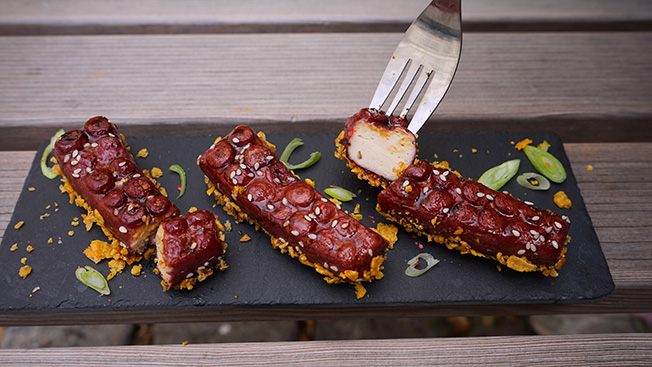
Whole-cuts, mycoprotein, and the quest for better alt proteins
“A lot of plant-based meats are highly processed, with long ingredient lists and an artificial taste. That’s turning people off,” believes Robin Simsa, CEO of Austria-based Revo Foods. “Mycoprotein is different – it’s naturally high in protein and has a texture that’s already very close to meat or seafood. When people try it, they’re often surprised at how satisfying and ‘real’ it feels.”
Simsa is one of Europe’s most visible voices in alternative proteins, and Revo Foods has carved a distinctive path with its combination of fungi-derived ingredients and 3D food printing. At a time when consumer enthusiasm for plant-based burgers and nuggets has cooled, he argues mycoprotein can refresh the narrative.
The company’s choice of fungi as a foundation is both nutritional and strategic. “Complete amino acid profile, high bioavailability, more proteins per calorie than beef, high in fiber – mycoprotein is a really complete protein which we should all eat much more of because it’s amazing nutrition-wise,” Simsa explains.

However, Revo’s focus is not simply to imitate fish or meat, but to tell a different story: one of natural functionality and clean-label benefits. “Quorn has always
focused a lot on narratives around ‘meat alternatives’, while we now focus more on ‘natural fungi protein’,” Simsa says. “We believe that goes perfectly with the current trend of clean-label, high-protein products.”
Beyond ingredients, Revo’s other calling card is its use of 3D printing to achieve structures traditional extrusion cannot. “With 3D printing, we can control the structure of the product much more precisely. We can recreate layers, fibers, and even the flakiness you find in real fish,” Simsa notes.
The company’s industrial system now runs at scale in Vienna’s ‘Taste Factory’, producing filets and whole-cuts for retail. “The key is to move from prototype to production – and we’re now doing that at a commercial level, without losing the uniqueness of the product.”
Why niches matter
Some of Revo’s most talked-about creations are not everyday staples but bold experiments. Take THE KRAKEN, a 3D-printed vegan octopus. “It’s a bit of a ‘crazy’ idea, but people love it so far,” says Simsa. “While it might never be fully mainstream, it’s a great showcase of the broad range of what alternative protein products can be these days.”
These niche innovations serve a purpose: drawing attention, opening conversations with chefs, and demonstrating what the technology can achieve. “Sometimes it’s not about volume, but about influence,” Simsa argues.
He is equally pragmatic about distribution. This year it entered German retail giants EDEKA and REWE, expanding from Austria into Europe’s largest alt-protein market. It also struck a partnership with Slovenian start-up Juicy Marbles to launch joint offerings in the USA. “They already have the best steaks in the market, we have the best fish filet alternatives — it’s a clear win-win,” Simsa believes.
With 3D printing, we can recreate layers, fibers, and even the flakiness you find in real fish – structures simply not achievable with traditional extrusion
Such collaborations are essential in a category where shelf space and consumer attention remain hard-won. “Distribution is key — you can have the best product in the world, but if it doesn’t reach shelves or menus, it doesn’t matter.”
For Simsa, the opportunity — and the challenge — is reigniting interest in alternative proteins after the initial plant-based boom. “The industry has hit kind of a plateau, and needs a new, compelling story to bring more consumers on board,” he says.
That story, he feels, lies in fungi, flavor, and function. “We are bringing the most nutritious, tasty alt-protein innovations on the market. There clearly needs to be a more exciting story around alt proteins, which should give consumers a reason apart from sustainability for why they should buy these products.”
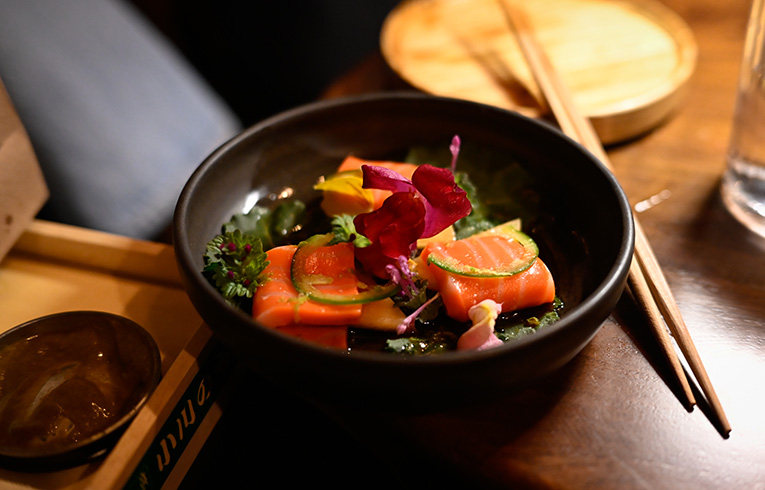
De-risking cultivated seafood: charting a measured course
What does success look like in four years? Justin Kolbeck pauses for a moment before answering the question. “Success, four years from now, would mean we’ve significantly de-risked both the technical and commercial aspects of cultivated seafood, and we’re starting to partner with larger companies to bring these products to scale – and ultimately to lower costs for consumers.”
For Kolbeck, CEO & Co-Founder of Wildtype, the answer comes without bravado. In a sector still prone to futuristic hype, his view is grounded: success is not overnight ubiquity, but proving the model works.

“Four years isn’t a lot of time, so I want to be modest in what we can expect,” he says. “I don’t think that by 2030 cultivated products will be so ubiquitous that they’re in every grocery store across the USA – or most other countries – maybe with the exception of a really forward-leaning country such as Singapore, where that could be possible.”
Instead of market saturation, Kolbeck defines success as risk reduction. In practice, that means validating the technology, proving economic feasibility, and building confidence among investors, regulators, and consumers. Wildtype has already made important progress on this front: in May 2025, the US Food and Drug Administration issued the San Francisco, California company a ‘no questions’ letter, confirming the agency had no safety concerns with its cultivated coho salmon.
Working with, not against
Crucially, Kolbeck resists the narrative that cultivated seafood is here to replace conventional fish. “At Wildtype – and really across much of the industry – we’re not talking about replacing conventional seafood,” he says. “Demand for salmon and seafood is growing so quickly that we’re going to need all of it: conventionally produced fish, plant-based substitutes, and cultivated products, in order to make seafood more accessible and affordable.”
This vision reflects a growing consensus across alternative proteins: collaboration, not competition, will define the next decade.
Kolbeck also sees cultivated seafood stepping into a space left open by plant-based proteins. “Companies like Wildtype, along with the other early pioneers commercializing cultivated foods, can demonstrate a clear path toward consumer adoption,” he explains. “We can bring forward the next generation of products that meet consumer demand in a way that picks up where plant-based left off.”
At Wildtype – and really across much of the industry – we’re not talking about replacing conventional seafood
That path is already opening up. Following FDA clearance, Wildtype has begun introducing its sushi-grade salmon in select US restaurants, working with chefs to craft dishes that highlight its quality and authenticity. By starting in fine dining rather than supermarkets, the company aims to build credibility and curiosity before pursuing mass retail.
Kolbeck’s four-year horizon reflects a pragmatic recognition: bringing cultivated salmon from pilot-scale novelty to scalable product will take patience, investment, and collaboration. The immediate goal is not to dominate supermarket shelves but to secure trust – scientifically, commercially, and culturally.
If Wildtype and its peers can de-risk the industry by 2030, the door will be open for mainstream seafood producers, distributors, and retailers to carry the baton forward.
For Kolbeck, that will be a success.
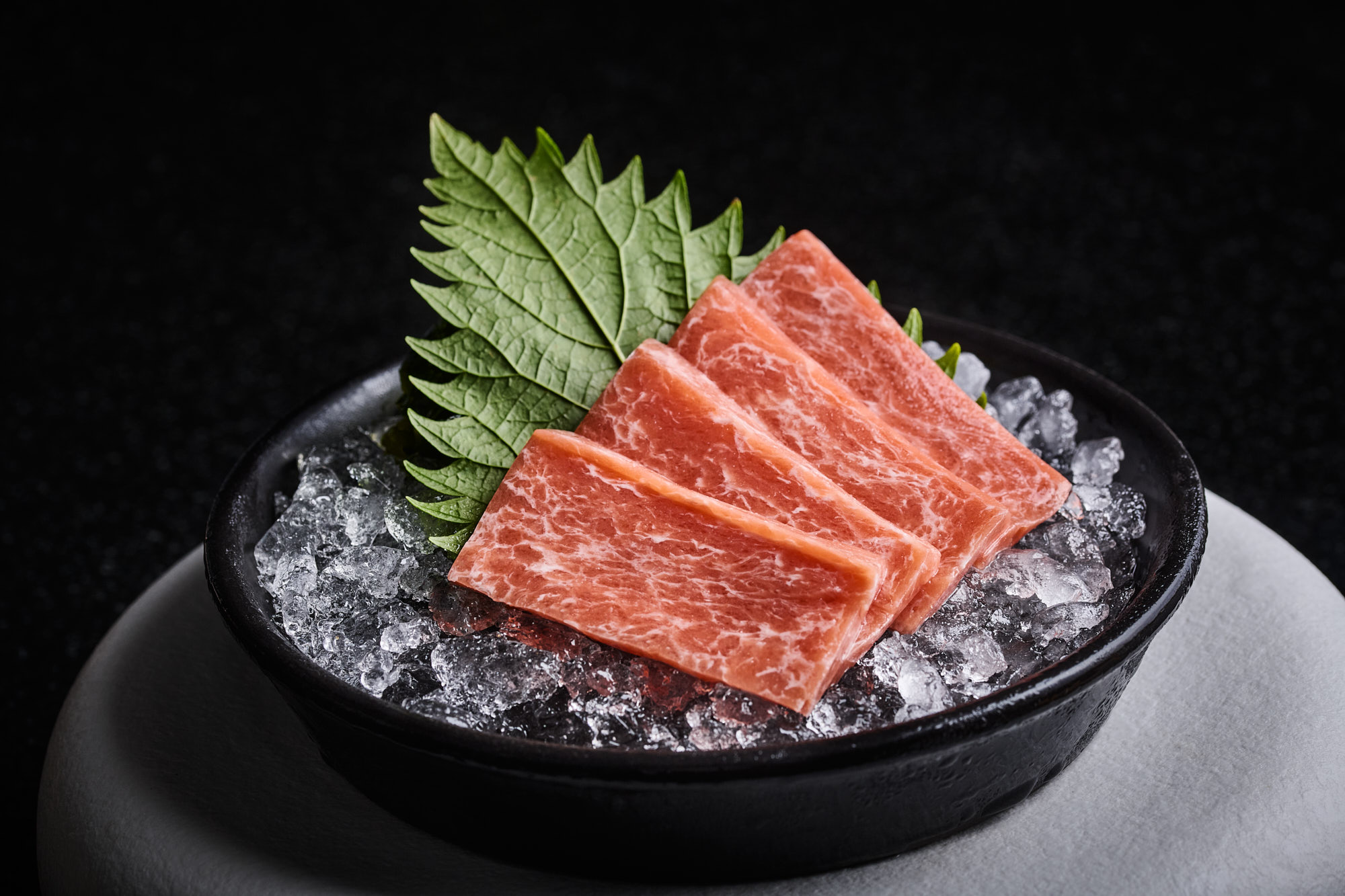
Reinventing the diamond of the sea
“If the world is to embrace new food sources, they must not feel like second-best substitutes – they must delight the senses, nourish the body, and reassure the conscience,” believes James Amihood, CEO of Wanda Fish. “That is the mission driving everything we do.”
It is also a mission rooted in urgency. “The oceans are heating. Fish stocks are plummeting. Our growing population already strains the planet’s limited land and freshwater, and today’s food systems are pushing us toward an irreversible tipping point,” Amihood explains. “Meanwhile, the seas – once the cradle of life – are choking with plastic and toxins that threaten marine ecosystems and our health. We are running out of time to feed the world sustainably. The question is no longer if we must change, but how fast we can.”
Wanda Fish’s answer begins with one of the most celebrated species in the sea. “We have chosen to focus on bluefin tuna because it offers the greatest opportunity for impact,” Amihood continues. “It is prized for its exceptional taste and nutritional benefits and is called the ‘diamond’ of all fish, commanding one of the highest prices in the seafood market.”
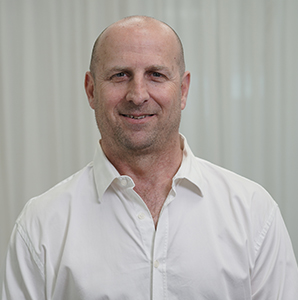
Yet prestige masks deep problems. “Wild bluefin is often laden with mercury, microplastics, and other industrial pollutants – turning a delicacy into a health risk,” Amihood reports. “Bluefin tuna aquaculture is both technically near impossible and economically unsustainable – fewer than 1% of the global supply is farmed today.”
Wanda Fish’s cultivated bluefin tuna, Amihood believes, represents “what nature intended – without the compromises. It is pure, clean, and free from contaminants. It mirrors the rich flavor and buttery texture of the wild-caught original, while protecting our oceans, reducing our carbon footprint, and giving consumers peace of mind.”
By starting with bluefin, Wanda Fish is pursuing both a culinary and environmental prize. “We are tackling a global problem and safeguarding a treasure in one bold step – ensuring future generations can enjoy the world’s most celebrated seafood without sacrificing the planet,” Amihood says.
Cracking the code of raw seafood
Wanda Fish’s focus is on whole-cut, raw applications where expectations of quality are non-negotiable. “Cultivated bluefin tuna represents a uniquely promising yet inherently challenging target in the alternative protein space as it addresses one of the highest technical and market barriers: premium raw, whole-cut seafood, specifically sushi-grade tuna,” he notes.
“Our goal has been to address all these elements in our product development,” Amihood continues. “We have tackled the texture, appearance, aroma, and flavor of raw fish using a combination of advanced technologies and innovative methodologies. This approach enables us to deliver an authentic, ocean-fresh experience, closely matching the qualities that chefs and diners expect in traditional Japanese cuisine.”
The breakthrough lies in Wanda Fish’s hybrid innovation. “We combine muscle cells enriched with aromatic crafted fat mixed with plant-based ingredients to produce natural-looking fat marbling within the muscle,” Amihood explains. “The final product is formed into a block, known in Japanese as Saku, which can be sliced into elegant portions for raw dishes.”
Wild bluefin tuna is often laden with mercury, microplastics, and other industrial pollutants – turning a delicacy into a health risk
Starting with bluefin tuna is also a commercial strategy. “From a culinary perspective, it is unmatched in prestige, flavor, and market value – making it a natural flagship species for cultivated seafood innovation,” Amihood says. “From a sustainability standpoint, targeting bluefin tuna also addresses a pressing environmental need. The species is endangered by overfishing and habitat degradation, and conventional farming methods remain limited by biological and economic constraints.”
Balancing these pressures requires discipline. “Optimizing spend and accelerating timelines to create scalable, cost-efficient production methods is key,” Amihood says. “We outsource non-core activities to concentrate efforts on key breakthroughs that raise product quality and lower costs without compromise.“
For Amihood, the journey reflects both urgency and optimism. “The future of food is not a choice for tomorrow – it is a fight for today,” he says. “And bluefin tuna is where we’ve chosen to make our stand.”
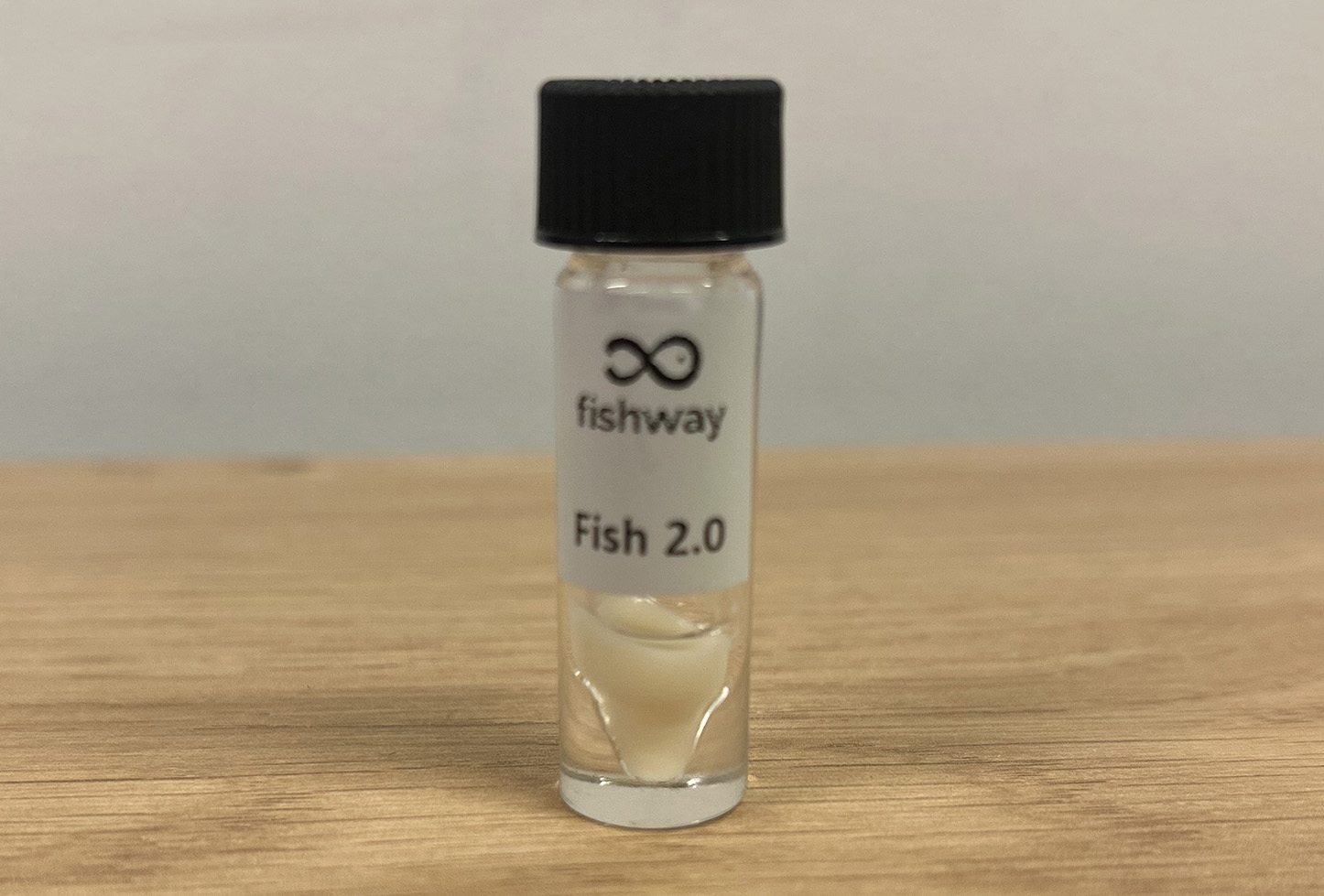
No fillets, no frills: the case for minced fish over moonshots
The problem is simple: by 2050, humanity will want to eat 248 million tons of fish. The oceans will only give us 181 million tons. That 67-million-ton shortfall isn’t just a stat. It’s the difference between affordable protein and spiraling food insecurity. But Annelies Bogaerts, CEO of Belgium’s Fishway, believes the solution is equally simple. “We feed our cells, they grow, and we harvest them – just like with real fish.”
Bogaerts is not your typical food-tech founder. A biologist with a PhD from KU Leuven, she spent over a decade developing cell therapies for humans and animals. When her employer shut down, she and her long-time colleagues – a tight-knit team she describes as a “well-oiled machine” – pivoted to seafood.
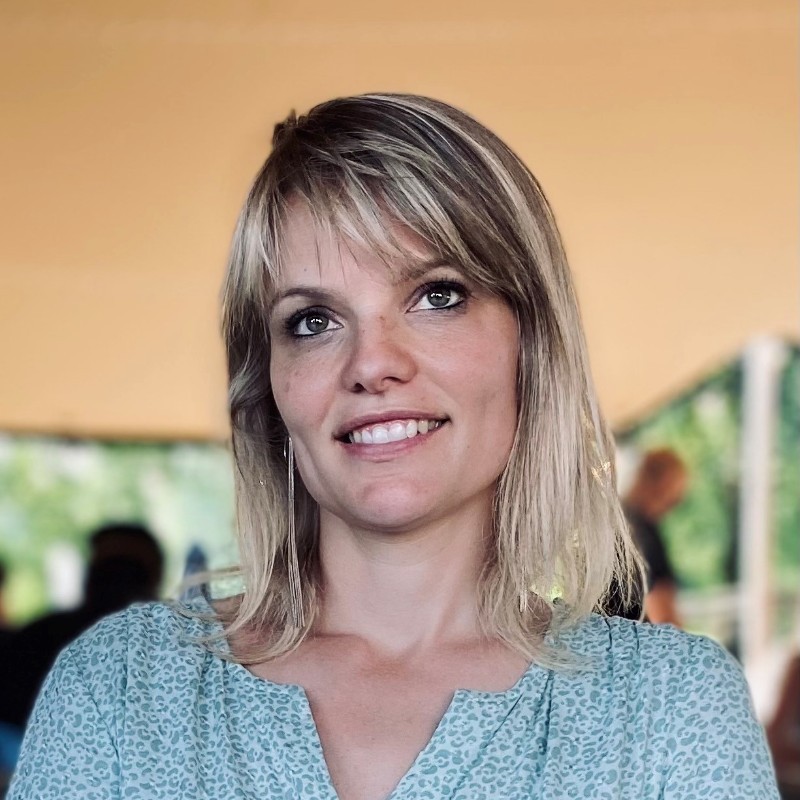
“Although fish was new for us, our background in cell biology meant we could move quickly and establish stable fish cell lines,” she reports. The team soon connected with founder Sam Van de Velde and Fishway was born.
Fishway’s starting point is pragmatic. “We don’t see cultivated seafood as something that has to fully replace wild-caught fish or aquaculture,” says Bogaerts. “But the current model isn’t sustainable. If we keep fishing the way we do, there won’t be fish left to catch.”
Instead, she frames cultivated fish as a pressure valve – an additional source of clean, scalable protein that relieves strain on ecosystems while still providing the nutrition consumers expect. Cultivated production, she argues, uses fewer resources, avoids contaminants like heavy metals and microplastics, and offers resilience. “You could build a factory in the middle of the desert and still produce fresh fish.”
If most cultivated startups dream of serving the perfect salmon fillet, Fishway is going in the opposite direction. “There’s a misconception in the space,” Bogaerts says. “Everyone’s chasing the perfect fillet. But around 60% of seafood is consumed in minced or mixed form – fish sticks, spreads, dumplings, patties. Consumers love these products, and they don’t require complex textures.”
By focusing on biomass for minced products, Fishway strips away some of the sector’s biggest technical headaches. No scaffolds, no intricate layering – just a clean, versatile protein ingredient. That means shorter development cycles, lower costs, and a faster route to market.
The strategy also opens unexpected opportunities. Infant nutrition is one. “It’s becoming harder to source fish that meet safety standards for babies,” Bogaerts explains. “As we grow our product in controlled conditions, we can guarantee a contaminant-free supply.” Pet food, with its lighter regulatory requirements, could also be a near-term market.
Lean science, shared infrastructure
Just as it avoids overcomplicating products, Fishway resists overbuilding the company. Rather than chase vertical integration, it partners across the value chain. Its official collaboration on media development is with Multus, while for scale-up and infrastructure the team points to a wider ecosystem of service providers – from specialized CDMOs to shared pilot plants – that help cultivated meat and seafood companies accelerate progress.
“Our Multus collaboration is a great example,” Bogaerts says. “We’re building a plug-and-play platform: validated fish cell lines with optimized, scalable growth media. It’s not just for us – it can accelerate the whole sector.”
We want consumers to trust and choose cultivated fish – not because it’s novel, but because it’s normal. Accessible. Sustainable. Something they can feel good about
That collaborative DNA extends beyond partnerships. Founder Van de Velde also serves as Vice President of Cellular Agriculture Europe, so is shaping regulation and policy for the category.
For Bogaerts, technology alone won’t win hearts and minds. Clear communication is just as important. “One of the biggest misconceptions is that cultivated seafood is artificial or synthetic,” she says. “But it’s real fish. We just grow it differently – without the antibiotics or microplastics.”
When Members of the European Parliament visited Fishway’s lab, many had never seen cultivated seafood before. “Some didn’t even understand what it was,” Bogaerts says. “But once they saw it up close, you could see the mindset shift.”
Her approach is refreshingly direct: feed, grow, harvest. “That’s the message people remember,” she says.
Fishway’s story is not about chasing moonshot prototypes. It’s about playing the long game – getting products into markets quickly, while building credibility for the cultivated seafood sector. As Bogaerts puts it, “We want consumers to trust and choose cultivated fish – not because it’s novel, but because it’s normal. Accessible. Sustainable. Something they can feel good about.”
A bluu-print for a cleaner, more resilient future
“I’ve always been an ocean lover, and that’s no joke,” laughs Sebastian Rakers, Co-founder & CEO of the Germany-based Bluu Seafood. “From childhood, I dreamed of becoming a marine biologist because the oceans fascinated me, so I’ve long believed they need to be protected and preserved.”
That lifelong fascination has grown into a company bringing cultivated fish to market. Hamburg-based Bluu Seafood focuses on high-quality fish proteins, starting with salmon and trout. The company takes a B2B and B2B2C approach – creating flagship products to show what’s possible while partnering to co-develop the next generation of seafood.

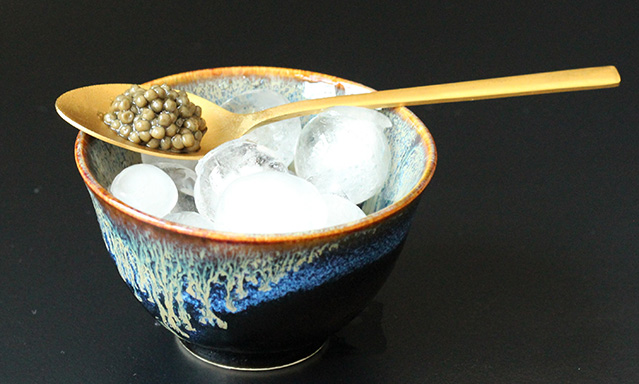
Premium products are expected to open the door. “Cultivated caviar is well suited to introduce a technology like ours,” Rakers believes. “It combines novelty with high value, giving it an aspirational character from the outset. But in the future, we’ll see applications in supplements, cosmetics, and
even pet food.”
Rakers’ path to entrepreneurship actually began in academia. After studying marine biodiversity, he joined the Fraunhofer Institute in 2008 and began isolating fish stem cells. “They‘re my passion,” he says. “I’ve worked with them for 17 years, and because it takes so much patience, I joke they’re like my babies.”
By 2016, as cultivated meat startups gained traction in the USA and Israel, Rakers saw a rare advantage: expertise in fish cell biology and reliable lines that could grow at scale. “I thought to myself, why stay in academia? I wanted to start something in Europe.” In 2018 he met co-founder Simon Fabich, a business strategist with a complementary vision. Two years later, Bluu Seafood launched.
For Rakers, the case for cultivated seafood is clear. “The oceans are under severe stress – from climate change and human impact. Ocean pollution is a major issue, and so is food insecurity. In one sentence, it’s about securing high-quality seafood for future generations.”
The benefits over aquaculture and wild-catch are wide-ranging. Cultivated seafood needs no antibiotics, avoids animal suffering, and eliminates microplastics and heavy metals. It also allows nutritional improvements through controlled omega-3 or protein enrichment. Just as importantly, it decentralizes production. “Take Atlantic salmon: 80% of global supply comes from Norway and Chile,” reports Rakers. “With cultivated seafood, we can produce anywhere with energy and water, creating more resilient supply chains.”
Singapore first, Europe later
To make that vision a reality, Bluu has already submitted its dossier in Singapore, one of the most proactive regulators of cultivated protein. “Singapore really has everything needed to kick off new technologies,” Rakers says. “There’s a huge openness to innovation and a strong interest in alternative proteins.”
The decision was also shaped by necessity. “As a startup founder, I have to de-risk the business and generate revenues as early as possible. I can’t just wait on European regulatory timelines.” Those timelines – officially 18-24 months but often closer to 36 – are daunting for young companies. “For a startup, where you might only have financial security for two years if you’re lucky, that’s just not feasible.”
This technology will come, because it needs to. The question is not if, but when
Rakers believes Europe urgently needs a “food champion” within the European Commission to guide companies and speed approvals. “Europe has strong players, but we’re often too skeptical and too risk-averse. That needs to change.”
Despite the challenges, Rakers is convinced Europe has the ingredients to lead: funding, infrastructure, and strong talent. What’s missing is regulatory agility and political will. “We’ve seen in other sectors how quickly things can grow with the right support. Take solar energy – the first terawatt took decades, but the second was added in just two years.”
And while regulation is a barrier, scale-up is equally pressing. Bluu has reached 500-liter pilot runs and is targeting 1,000-2,000 liters. Media costs remain high, though, and contamination harder as systems scale. “Bridging the gap from pilot to full industrial production is the toughest part,” Rakers confesses.
“When it comes to engineering, processing, supply chain, and distribution, it makes more sense to work with established partners. Startups alone can’t do it – collaboration is key.”
Ultimately, for Rakers, the debate is not about whether cultivated seafood will arrive, but if Europe will help shape its future. “This technology will come, because it needs to. The question is not if, but when. If we don’t change our mindset, Europe could fall behind Asia and the USA.”
Looking ahead, Bluu is targeting approval in Singapore within four to nine months, with cultivated caviar expected as its first commercial product. Scaling to 1,000-2,000 liters with established players will be another milestone. For Rakers, the message is simple: cultivated seafood is real and ready. “It tastes great – and it’s the real deal. It’s real fish protein with the same taste as aquaculture or fisheries. The difference is that it offers the purest, cleanest protein you can get.”
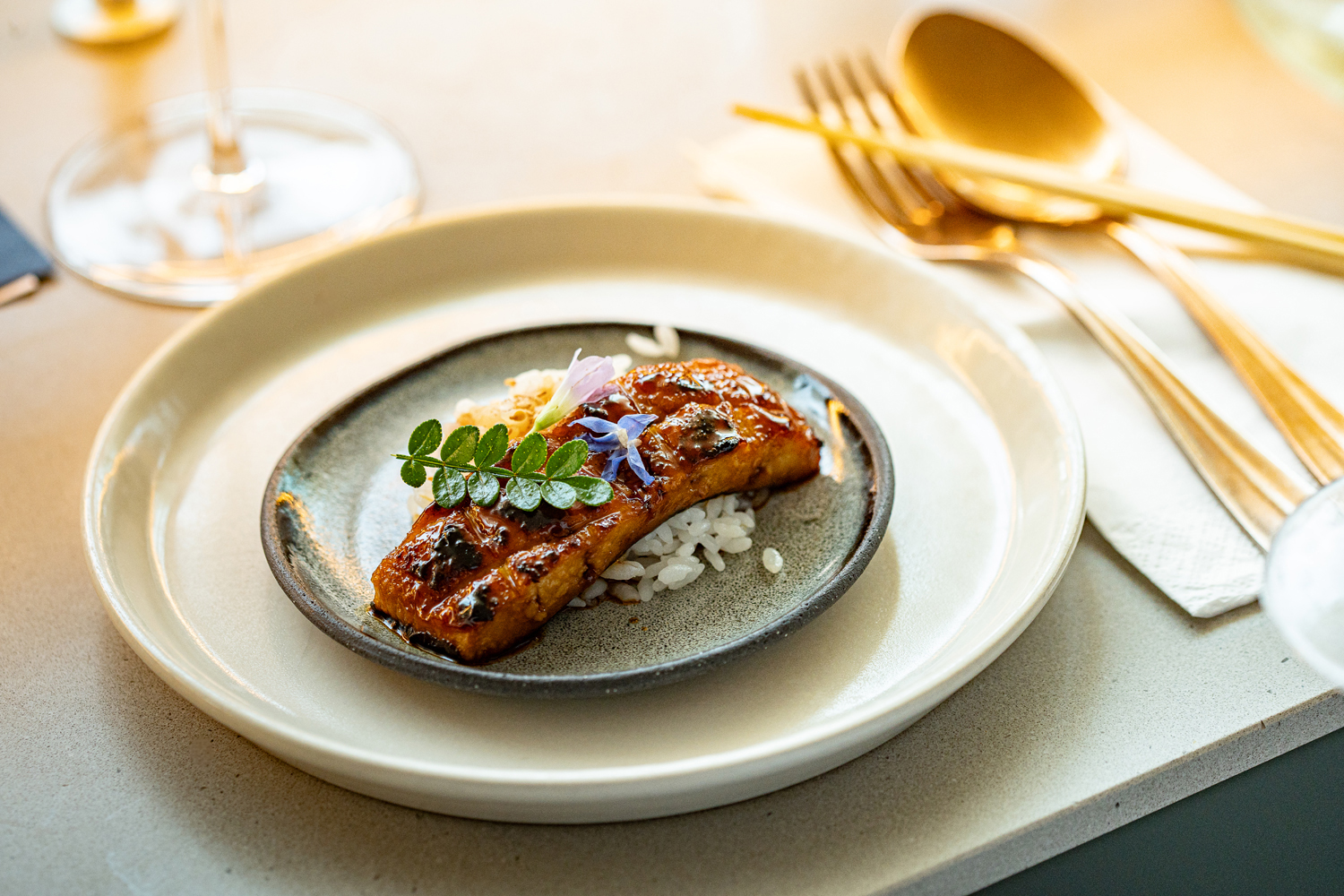
Cultivated eel and the reinvention of seafood
“Because of our very unique process, we are probably the only company in the world that can produce externally at CMOs and still reach well below price parity while making a profit,” says a bold Roee Nir, Co-founder & CEO of Forsea.
That confidence underscores the ambition behind the Israeli start-up pioneering cultivated seafood with a focus on freshwater eel. A delicacy in Asia and parts of Europe, eel is critically endangered and its breeding cycle has never been closed in captivity. Forsea’s decision to begin with such a prized and fragile species is deliberate. It is both a technological challenge and a business opportunity, meeting demand without further depleting wild stocks.
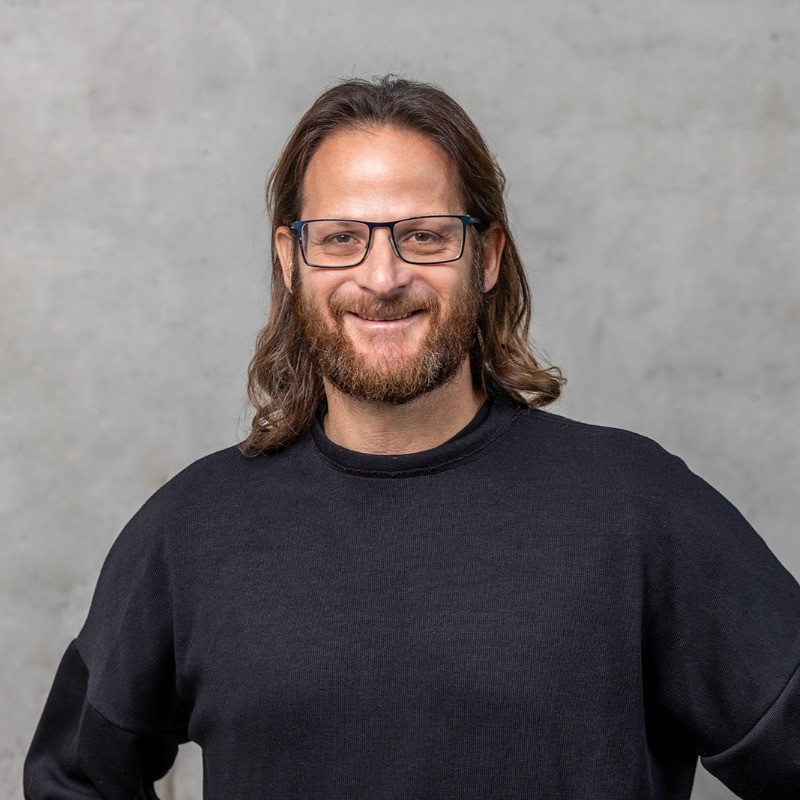
Nir’s route to cultivated seafood reflects his professional background and love of the ocean. Trained as a biotech engineer, he spent much of his career on the business side of biotech, health tech, and food tech ventures. Away from work, he is a committed surfer, often in the water with his children. “After years in food tech and health tech, I wanted a new venture that combined it all,” he reflects.
By 2021, as investment in cultivated meat surged, he saw an opening to apply that momentum to fish. “Back then, many co-founders pushed toward beef or chicken, but I wanted us to focus elsewhere,” he says. “From a business perspective, the greatest opportunity was in seafood. Fish and seafood have many niche, high-value markets
– unlike beef or chicken, which each have just one category.”
Forsea’s technology is based on organoids – mini tissues that differentiate into edible cells. The company also uses embryonic pluripotent stem cells, enabling continuous harvesting that slashes media use, bypasses scaffolding, and boosts efficiency. “Second-generation companies such as Forsea were created to solve these problems,” Nir adds. “Processes have become far more efficient.”
This underpins his confidence on cost. “The fact we can use relatively small bioreactors and still reach profitability with premium products gives us an edge,” he continues. Scaling larger, he adds, will drive costs further down, eventually allowing Forsea to target not only eel but also more accessible white fish.
A striking part of Forsea’s strategy is its decision to avoid building expensive facilities, instead working with contract manufacturers. “We learned during funding that investors don’t like to pay for CapEx,” Nir says. “Earlier companies had to design their own processes, which needed significant capital. At the time, funding was available, but I’m not sure it is anymore – at least not from VCs.”
By partnering with CMOs now specializing in cultivated seafood, Forsea can scale without overextending. And IP stays protected through proprietary cell isolation and media, while production gains from external expertise.
Asia first
Eel consumption is concentrated in Asia, with Japan alone accounting for around 40% of the global market. “When we chose eel as our first product, it was clear that Asia would be our primary market,” Nir says. Singapore, which pioneered cultivated meat regulation, and Japan, where the Consumer Affairs Agency is moving rapidly to establish guidelines, will be the company’s initial focus.
Demand also exists in Europe and the USA, but Asia offers both cultural importance and regulatory momentum that aligns with Forsea’s strategy.
We’re creating very delicious products that, from both a taste and price perspective, are highly attractive
For Nir, cultivated seafood is about more than saving endangered species. “The Nikkei recently reported that water temperatures around Japan have risen by 1.5 to 2°C over the past 100 years, with several fish species declining tenfold in recent decades,” he notes. “Cultivated fish addresses two major concerns. First is sustainability and climate change – the ability to provide protein without further depleting the oceans. The second is geopolitical. Every country will need to ensure it can self-supply.”
Forsea has already developed multiple eel cell lines, including both Japanese and European varieties. Its technology can also be transferred to other species, laying the groundwork for a broader alt seafood portfolio.
The biggest risk, Nir feels, is funding. “Early-stage companies will still be able to raise money, but to scale and produce significant amounts of food, larger involvement from institutions or corporations will be required. I don’t think this is a pure VC play anymore.”
Still, his outlook is clear. “In five years, we expect to be producing large volumes of cultivated fish and seafood products,” Nir says. “We’ll be present in at least three to four countries, and we’ll likely also be working on additional fish species beyond eel for commercial launch.”
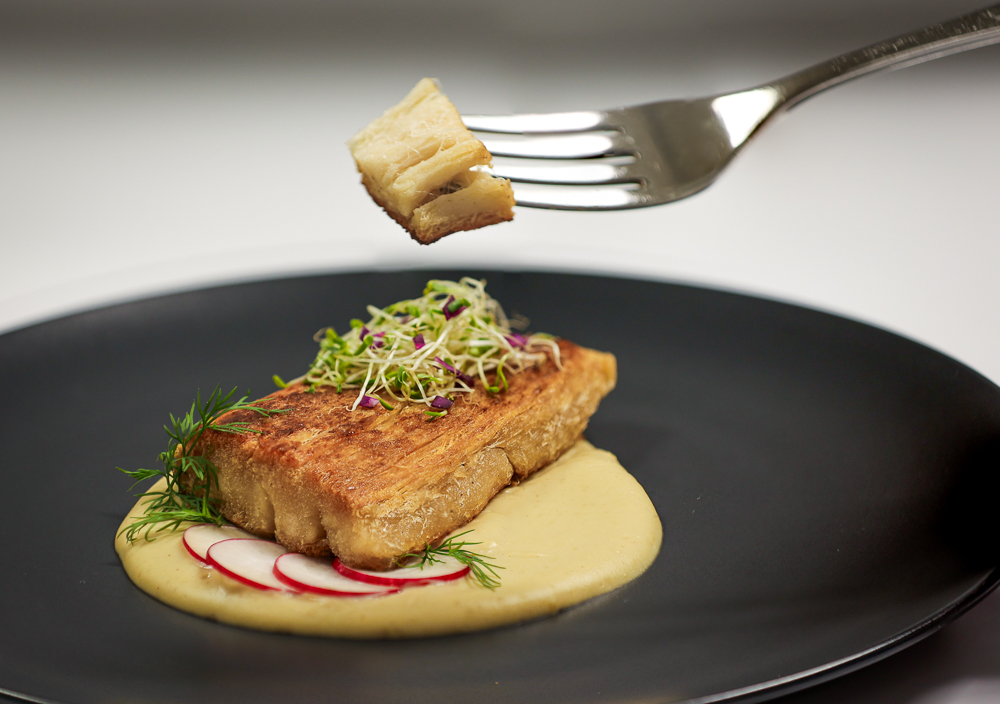
Scaling clean fish for a crowded planet
“For people who aren’t familiar with what we’re doing, I explain it as creating a third pillar of seafood production,” says Doug Grant, Co-founder & CEO of Atlantic Fish Company. “Traditionally, we’ve had commercial fishing, and about 20-30 years ago aquaculture really began to grow. Now, we represent a third pillar – one that’s essential to producing enough seafood to feed a rapidly growing global population.”
Grant’s framing captures the ambition: not to replace fishing or aquaculture, but to complement them. Cultivated seafood, he suggests, offers a new way to meet demand at a time when 90% of fisheries are overfished or at capacity.
Seafood also differs from other animal proteins. “It’s the last one we still hunt at a commercial scale,” he explains. “That makes it very different from animal agriculture, where most people think of chicken, pork, and beef.”

While cultivated meat has dominated headlines, seafood’s quieter emergence may give it a strategic advantage. The USA imports more than 70% of its seafood, much from Asia and South America. “Given today’s trade and economic environment, that creates an opportunity,” Grant says. “We’re using technology to domestically produce products that were historically imported. That appeals to a wide range of stakeholders. We can plant our flag at that intersection – making seafood in the USA that otherwise would have come from abroad.”
This proposition also comes with built-in assurances. “If I can get people past the initial ‘weirdness’ of cultivated seafood, there are huge advantages,” he notes. “It’s a very clean product: no mercury, no microplastics, no antibiotics, no hormones. Once you move past the idea that it’s not wild-caught or farm-raised, the upsides are enormous.”
Navigating the funding climate
Still, Atlantic Fish Company has not been immune to the sector’s financial turbulence. “The bubble really popped in 2022, and the thing about being in a bubble is that when it bursts, you don’t immediately realize it,” Grant recalls. Unlike earlier cohorts that raised large seed rounds through IndieBio, Atlantic Fish found itself navigating a tougher funding climate. “We’ve been fortunate – and put a lot of effort – into pursuing different grant opportunities. That’s been instrumental for us because once the bubble burst and funding turned down, you had to look for alternatives and get creative to keep money coming in, keep the lights on, and stay on track with the product roadmap.”
Those grants have come with their own benefits. “First, you have highly technical reviewers – at agencies like the National Science Foundation and USDA – looking at these applications with a critical eye,” he explains. “Second, if you win that funding, it sends a strong signal to investors that experts with technical chops have scrutinized the company. It sharpens your product roadmap and signals credibility to the market.”
Atlantic Fish Company has already secured two such awards: a USDA SBIR grant and, most recently, a US$300,000 NSF Phase I grant. These resources, Grant believes, not only support R&D but also keep the company methodical in its growth. “Sometimes slower than I’d like, to be honest,” he admits, “but it forces us to stay extremely focused on executing our product roadmap.”
For now, that roadmap centers on black sea bass, a species representing the broader wild-caught marine whitefish market. “Think flounder, snapper, grouper, halibut, or black sea bass,” says Grant. “These species are predominantly wild-caught, often overfished, and highly interchangeable on restaurant menus as seasonal availability drives pricing volatility. By starting with one species, our goal is to penetrate the broader market for wild-caught marine whitefish.”
We’re already overfishing in the wild, and we can’t raise all of these species through aquaculture
That strategy balances premium and mainstream appeal. “With seafood, you’re already in a premium protein market compared to more commodity products like poultry or pork,” he explains. “I often use the Tesla analogy: you needed the Roadster before the Model S, before you got to the more accessible electric cars people drive today. For us, it’s the same – we may start with higher-end restaurants, but we want to move quickly onto a glide path toward more traditional seafood prices.”
Looking ahead, Grant sees cultivated seafood not as a competitor but as a collaborator with established industries. “They’ve already adapted to aquaculture over the past couple of decades, and this is simply the next step,” he argues. “It’s not about beating the incumbents. It’s about giving them another means of production. They have distribution, capacity, and capital. We bring the technology to create end products. Together, that could be hugely beneficial for the entire industry.”
Ultimately, though, the milestone that will matter most is regulatory approval. “Success means fish on plates in restaurants that people genuinely enjoy,” Grant says. “We’re already overfishing in the wild, and we can’t raise all of these species through aquaculture. We need new ways to produce seafood – and that’s exactly what we’re providing.”
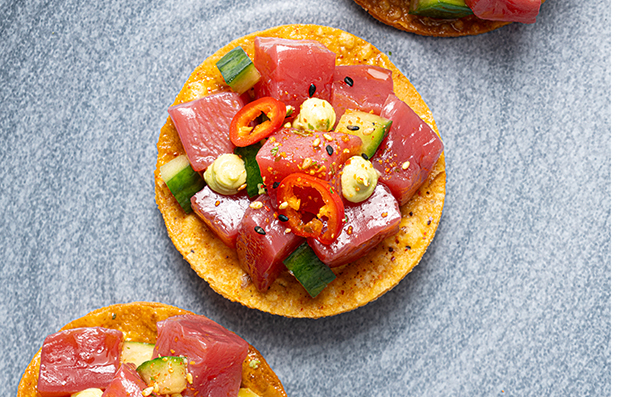
Bubbling up a new wave of seafood
For centuries, seafood has been celebrated as one of the world’s most diverse and desirable proteins. Yet behind the abundance lies a fragile reality: declining fish stocks, stressed ecosystems, and unpredictable supply chains threaten the future of the oceans. AQUA believes the answer lies not in extraction but in cultivation.
“Our mission is to feed the world’s growing population with a sustainable, scalable, and authentic alternative to seafood while protecting our oceans,” says Brittany Chibe, Co-founder & CEO. “We’ve developed a platform that grows whole-cut filets without the need for animal inputs, wild catch, or intensive resource use.”
From tuna to scallops, AQUA is focusing on the species where texture and mouthfeel define the eating experience. The company is not simply mimicking seafood, Chibe is keen to stress, but reimagining what it means to produce it responsibly – without compromise on flavor or culinary quality.
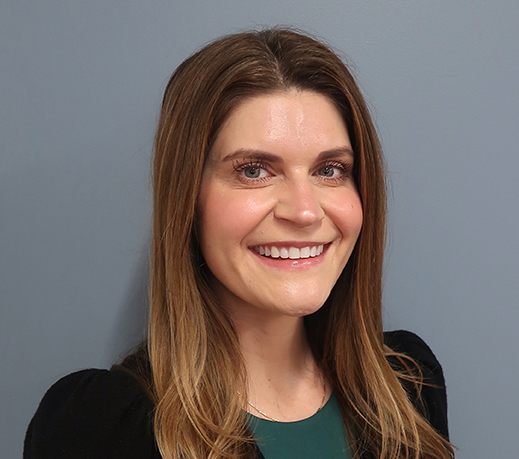
As a diver, Chibe has seen firsthand how traditional fishing practices and climate change are reshaping marine life. “Seafood is one of the most vulnerable proteins in our food system – subject to environmental pressures and supply volatility,” she says. “It also hasn’t seen the same level of innovation, nor funding, as other meat alternatives, despite enormous global demand.”
That gap inspired AQUA’s founding. But with opportunity comes technical challenge. “The butteriness of tuna is nothing like the bounce of scallops,” Chibe notes. “Unlike land animal proteins, where ground formats dominate, seafood requires precision. So, texture innovation is at the heart of everything we do.”
The long-term vision goes far beyond direct analogs of fish filets. AQUA is already exploring premium foodservice, family dining, and even quick-service restaurants. “My ‘we made it’ moment will be when McDonald’s is serving an AQUA Filet-O-Fish,” Chibe says with a smile.
At the same time, the company is developing AQUA Cellulose, a functional ingredient that can enhance juiciness, texture, and fiber in other products. “The next generation of alternative proteins will be hybrid by design – leveraging microbial, plant-based, and other technologies,” she suggests. “Fermentation gives us authentic texture, while plant-based ingredients let us fine-tune taste, color, and nutrition.”
A B2B pathway will accelerate AQUA’s impact. “It diversifies our business and lets us embed sustainability into foods across the industry.”
From ocean limits to limitless trays
For alternative seafood, the biggest hurdles remain scale and affordability. AQUA’s answer is a patented fermentation platform paired with a vertically stacked tray system that maximizes output.
“Our platform is designed for consistency and efficiency,” Chibe says. “By growing seafood in a controlled environment, we eliminate seasonality, catch limits, and supply shocks.”
Our goal isn’t to stay niche – it’s to scale. Starting at the top of the culinary world gives us momentum and trust as we expand
She is confident that cost curves will bend with volume. “Fermentation is inherently scalable. As we expand, we expect costs to come down significantly – making sustainable seafood available for everyone.”
And as the alternative seafood sector matures, Chibe sees two key growth drivers: consumer demand and breakthroughs in production efficiency. “Consumers are increasingly open to alternatives if they taste great and are priced right,” she says. “Scaling these technologies will also determine how quickly we can reach those price points.”
For AQUA, success in five years will not be defined by niche acceptance but by ubiquity. “I see our products on menus and shelves around the world, not just as alternatives but as a seafood in their own right – trusted, delicious, and accessible,” Chibe says. “We want to be a catalyst for a broader shift in how we think about protein: moving from extraction to cultivation, and from depletion to regeneration.”

Delivering the complete seafood experience with plants
When catchfree marked its first anniversary this year, Co-founder Severin Eder reflected on a whirlwind 12 months. The Swiss start-up went from incorporation to market launch in record time, raising US$1.4 million in seed funding, building partnerships, and introducing its first products. For Eder, one moment stands out. “The most amazing part has been seeing our products evolve from pilot scale into commercially ready products people can now enjoy. Watching them have a great time, a great experience, even a real wow moment when they try them has been incredible.”

That speed was no fluke. Eder credits catchfree’s rise to the complementary strengths of its founding team. His co-founder, Eduard Müller, brings decades of culinary and hospitality experience across three continents, from fine dining to system catering, before moving into management and innovation at the University of St Gallen. Eder, by contrast, comes from a scientific lens. “Together, this created a melting pot of perspectives and contacts that helped us get a product to market quickly, connect with the right people, and get feedback,” he says.
That said, early product tests revealed an unexpected challenge: balancing chefs’ views with those of consumers. “Chefs or managers in gastronomy often have a very different understanding of products than end consumers,” Eder explains. “For example, our shrimp prototypes sometimes received very positive feedback from chefs, while consumers noted something was still lacking. You need to balance both, because chefs are ambassadors, but ultimately it has to deliver on people’s expectations.”
While plant-based meat has stolen much of the spotlight, Eder argues seafood is an equally compelling frontier. In Switzerland, 97% of seafood is imported, making the supply chain fragile and resource-intensive. “That creates a unique opportunity,” he says. “Unlike plant-based producers, we’re not competing directly with agriculture. We can introduce something new – a value chain that doesn’t take market share away from someone else.”
At the heart of catchfree’s innovation is a proprietary low-temperature injection molding platform designed to mimic the gel-like muscle structures of seafood. “Take shrimp, for example,” Eder says. “To replicate shrimp properly, you need those gel-like muscle strands that create the characteristic snap when you bite into it. We can inject the right ingredients at the right time to create that marbling and a truly three-dimensional structure.”
Texture, he feels, is the hardest part to master. Chefs often prefer a smooth, tender premium feel, while consumers tend to favor the juicy resistance of a bite. “We had to find a balance – creating a gel-like structure that holds its juiciness without collapsing on the first bite. That was probably the biggest scientific challenge for our R&D team.”
Why plants, not cells
Some believe cell-cultivated seafood will ultimately provide the closest replication. For catchfree, though, plants were the obvious choice. “Plant-based products are already market-ready from a regulatory standpoint,” says Eder. “That means when we develop something new, we can launch directly, get feedback, and build presence without waiting years for approval. We saw this as a chance to act now rather than wait another five years.”
Our mission is simply to create great seafood – delicious food with health benefits – made entirely from plants
catchfree’s US$1.4 million seed round, raised in March, is fueling expansion and innovation. Its immediate goal is nationwide penetration in Switzerland, followed by rollout across the DACH region. New products are in the pipeline, while distributor partnerships and a growing team lay the foundation for scale.
Foodservice has been the initial focus. “Starting here was the right choice, because it lets us gather feedback from end consumers and put that learning to work,” Eder says. Retail will come later, once the company is confident in delivering consistently at industrial scale.
Eder is clear that catchfree’s mission is not about moralizing, but about pleasure. “Our mission is to create great seafood – delicious food with health benefits – made entirely from plants. Sustainability is central, but our first priority isn’t labels. It’s to say: here’s food that brings enjoyment and indulgence. And by choosing catchfree, you’re also making a positive environmental impact.”
Looking five years ahead, Eder hopes catchfree will be known as a pioneer in plant-based seafood, offering shrimp, tuna, and salmon. But success won’t just be measured in volume. “For us, it will mean being able to look back and say: this is the impact we’ve achieved – measured not only in scale, but also in the moments of joy we’ve brought to consumers.”
Ultimately, it’s those moments that keep him motivated. “Every time we hold a tasting and someone says, ‘Wow, this tastes better than I expected’, that’s what keeps us going. Sharing that excitement within the team and knowing we’re creating those experiences motivates me every day.”

Beyond seafood: the next stage of scaffolding
When Chris Bryson launched New School Foods in Toronto, it was with a single product in mind: a plant-based salmon fillet that looked, cooked, and flaked like the real thing. Three years later, that product is on menus at more than 30 restaurants across Canada and winning praise from chefs and diners. But in June 2025, Bryson revealed the bigger play: NS/TX, a new entity designed to scale the company’s scaffolding technology beyond fish into the wider world of whole-cut meats.
“The main impetus behind NS/TX was to announce that the real product behind our salmon fillet is actually a new manufacturing technology,” says Bryson. “This platform isn’t limited to fish – it can be applied to virtually any meat alternative. Because of its capabilities, our goal is to open it up so other brands can work with us to create the next generation of alternatives.”

At the heart of NS/TX is a process called directional freezing – the first of its kind scaled commercially. Unlike extrusion, which applies heat and shear to proteins, directional freezing creates a scaffold of thousands of tiny channels, each about the size of a muscle fiber.
“When we add protein to the scaffold, we don’t have to destroy or pre-cook it as extrusion does,” Bryson explains. “That means we can make products that look raw – like the whole cuts they’re meant to replace – and then transform during cooking, just like meat. That transition feels familiar, and it matters. If you’re cooking something that doesn’t behave the way you expect, it creates anxiety. Food should be fun, relaxing, and creative – not stressful.”
For seafood, mimicking flaking, connective tissue, and the white lines between muscle fibers represents a leap forward. It gives chefs and consumers confidence that what they prepare will cook and perform like salmon – but without the fish.
Chefs as co-creators
For Bryson, validation has come not through retail, but through partnerships with chefs. “New School Foods is a brand we own, but its purpose is to validate the technology, adjust formulations, test products, and build relationships with the best in cuisine,” he says.
The feedback has been unusually strong. More than 95% of restaurant reviews have been positive, with diners often naming the salmon fillet – a rare sign of resonance. Chefs, meanwhile, value a plant-based option that feels elevated and versatile, rather than a default pasta, risotto, or cauliflower steak.
Over the past year, New School Foods has refined its vertically integrated V1 production line, taking the scaffolding concept from lab to commercial assembly. “We were developing a new process from scratch, so in many cases you build it and figure it out as you go,” says Bryson. “It hasn’t been about one breakthrough – it’s been about continuous learning.”
Efficiencies mirror traditional meat production, with offcuts from salmon shaping repurposed into ground or flaked products. The company also launched a salmon burger, broadening its portfolio.While salmon remains the flagship, the creation of NS/TX signals ambitions far beyond seafood. The scaffolds can be made in any shape or size, embedded with plant-based ‘bones’, and infused with oils, flavors, and natural colors. Texture can be tuned to replicate red meat as well as fish. Importantly, Bryson has decided not to keep the technology proprietary.
Every time we put one of our products in front of people, their eyes light up. They’re stunned that you can make something that good with plant-based ingredients
“At the end of the day, we believe a rising tide lifts all ships,” he says. “From the very beginning, our mission has been to accelerate the transition to a sustainable food system. What better way to do that than by creating enabling technology for the entire industry?”
Backed by US$19 million in funding from investors including Inter IKEA, Protein Industries Canada, and Sustainable Development Technology Canada, NS/TX is now positioned as both a technology platform and a co-manufacturing partner. That model could give even large companies a way to explore whole-cut alternatives without taking on heavy capex risk.
Despite skepticism in some quarters of the investment community, Bryson remains bullish. “I’m excited to show that the chapter on alternative proteins is far from closed,” he says. “Every time we put one of our products in front of people, their eyes light up. They’re stunned that you can make something that good with plant-based ingredients. With strong R&D and a real commitment to making better products, we absolutely can deliver great food – and in doing so, grow this audience even further.”
From seaweed to seafood: the regenerative route
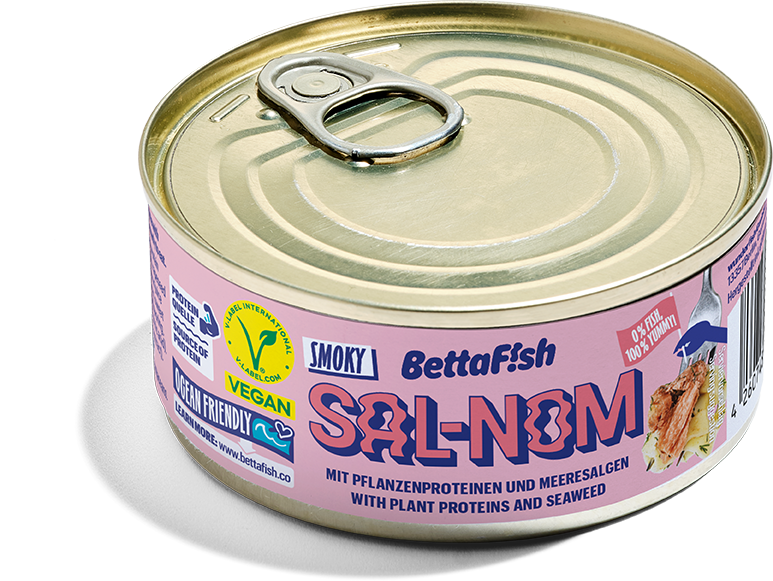
“The ocean is in a bind, bycatch is massive, and key species are on the brink, from overfished tuna to intensively farmed salmon,” laments Deniz Ficicioglu, CEO & Co-founder of BettaF!sh. “I wanted an alternative that lets the ocean restore itself without sacrificing the livelihoods of coastal communities who depend on fishing. We needed a system-level solution, not a niche product.”
That vision has propelled BettaF!sh into the spotlight as one of Europe’s most distinctive alternative seafood brands. Its core ingredient is not a soy isolate or lab-grown biomass, but seaweed – an ancient, regenerative ocean crop that Ficicioglu believes could rewrite the future of food.
“Around 98% of the calories we eat come from land, yet 70% of the planet is ocean,” Ficicioglu says. “Ignoring the ocean’s plant kingdom is a missed opportunity. Seaweed is the original ocean crop – no land, no fertilizer, no freshwater, just sunlight and waves.”
Cultivation brings cascading benefits: fish populations recover, pollution drops, and nutrients are recaptured. But the revelation for BettaF!sh came in the kitchen. “Seaweed is a nutritional powerhouse and a clean umami engine – not a garnish. The moment we saw it deliver umami, nutrition, and functionality, it was obvious to us it could anchor a full portfolio and a new ocean economy.”

Indeed, the company has already expanded beyond alt fish into developing seaweed-derived ingredients for meat and baking, aiming to bring resilience across categories.
BettaF!sh avoids the ‘me too’ approach common in alternative proteins. “We do not try to grow the ocean in a tank, we bring the ocean to your plate through its most regenerative ingredient,” Ficicioglu says. “Our products are tasty, affordable, and better than the animal pendant. We chose not to use methylcellulose, soy, or wheat. We think we need broader diversity in ingredients and that shows in our product.”
After five years of development, BettaF!sh products are already moving in retail and foodservice, a strategy Ficicioglu frames as “pragmatic impact now and compounding advantage later, with a joyful brand that makes regeneration delicious and accessible”.
Why canned matters
And while many companies chase fresh fillets or premium cuts, BettaF!sh made a different bet. “Almost 80% of all tuna consumed globally is canned,” Ficicioglu points out. “It is a massive market that people rely on for long shelf life, convenience, and ease of use.”
Canned formats also carry a perception of health and versatility. “Cans democratize change. They are affordable, shelf-stable, and need no refrigeration. The use cases are endless: camping, onigiri, tuna pizza. Cans are the Trojan horse, familiar on the outside and transformational on the inside.”
Rather than disrupt packaging, BettaF!sh leans into it. “We modernize the content, not the can. The beloved can stay, because that is what makes it approachable. The future is what is inside.”
Germany, Austria, and Switzerland have been key testbeds but Ficicioglu has found consumers both demanding and open-minded. “They are price-sensitive, but they also read labels closely. That curiosity makes them excited about new inputs like seaweed. Our TU-NAH visibly includes seaweed bits, so it looks different from that washed-out rosé tuna, and it is embraced when the flavor lands.”
Foodservice has been equally receptive. University canteens and corporate cafeterias are increasingly plant-forward. “That is where we fit – long shelf life, easy to portion, and versatile across menus.”
Cans are the Trojan horse, familiar on the outside and transformational on the inside
Looking ahead, Ficicioglu wants BettaF!sh products in every major European retailer, millions of cans sold, and measurable gains for carbon and biodiversity from expanded seaweed farming. But she insists success must also be societal. “Most importantly, a cultural evolution, eating from the ocean means regenerating it, not extracting from it.”
Her call to investors is clear. “Invest in the boring and the moonshots. We need both. By ‘boring’ I mean seaweed farming, ingredient processing, institutional procurement – the plumbing that unlocks scale. Remember that only about 1% of impact investment goes into our oceans today, which makes SDG 14 the most underfunded of all. This is a massive opportunity.”
For Ficicioglu, then, the shift is as much about narrative as it is about nutrition. “For a century seafood has been about animals and extraction. We need multi-path progress, greater ingredient diversity, and a rethink of ocean food entirely. Plant-based seafood and seaweed lets us do that, with joy and regeneration at the center.”
If you have any questions or would like to get in touch with us, please email info@futureofproteinproduction.com

More Features

Protein Pioneer: Justin Kolbeck

Deep Dive: Breakout bets

Feeding change

Protein Pioneer: Kesha Stickland


